Haunted things to do in Denver
Looking for haunted things to do in Denver? These 23 are the real ones — Oxford Hotel Room 320, Rocky Mountain Land Library at the Puritan Pie Co. and Cheesman Park Pavilion & Its Buried Dead among them — actual dark-history sites and genuinely unsettling places, not a seasonal haunted house with a fog machine. They spread across LoDo, Curtis Park, Cheesman Park, Highlands and 16 more areas, so two or three can make a whole afternoon. 14 of them cost nothing. Every entry is hand-vetted against real sources — not scraped off a top-ten list or averaged out of crowd ratings.
-
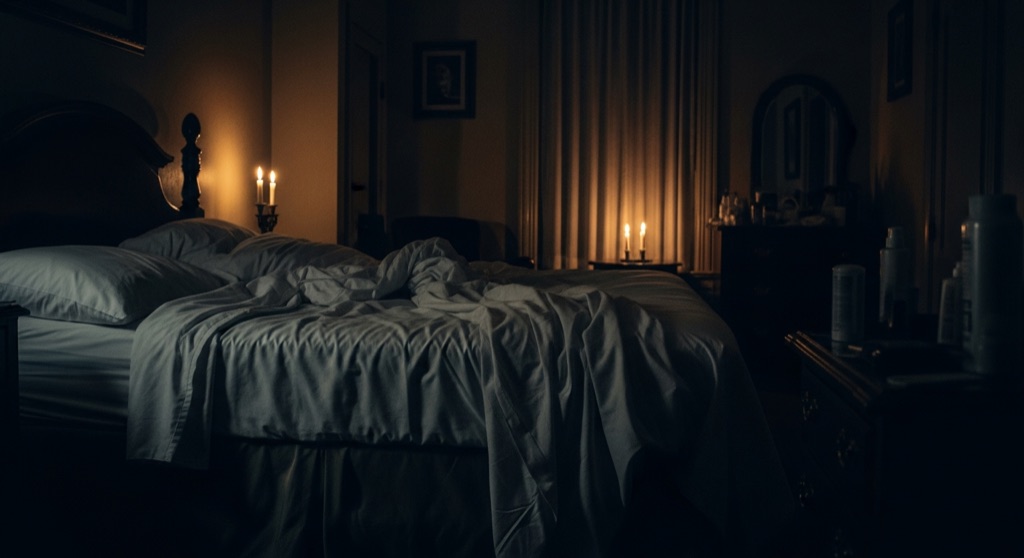 Oxford Hotel Room 320
The Oxford is the city's grand old 1891 hotel, but almost no one books knowing what 320 is. In 1898 a woman shot her lover and then herself in this exact room; ever since, solo male guests report sheets yanked off the bed at night and toiletries rearranged. There's no plaque, no warning, no upcharge. The front desk reportedly tries to avoid putting lone men in it, which is the most haunted thing about the whole arrangement.
Oxford Hotel Room 320
The Oxford is the city's grand old 1891 hotel, but almost no one books knowing what 320 is. In 1898 a woman shot her lover and then herself in this exact room; ever since, solo male guests report sheets yanked off the bed at night and toiletries rearranged. There's no plaque, no warning, no upcharge. The front desk reportedly tries to avoid putting lone men in it, which is the most haunted thing about the whole arrangement.
-
 Rocky Mountain Land Library at the Puritan Pie Co.
A 1911 building that used to crank out pies for the Senter Pie Company is now stuffed with one of the strangest, best libraries in Denver: the Rocky Mountain Land Library, a 32,000-volume collection about nature, the land, birds, bees, and urban homesteading. Walk past on Champa and you'd never guess the squat brick warehouse opens to the public, let alone that it sits in the heart of Denver's Beat Generation map — Neal Cassady's boyhood home was right next door. It functions as a kids' nature library and urban-homesteading learning center, with a free seed library and teaching kitchen in the long-term plan. This is a 'how have I never heard of this' spot for anyone who likes books and dirt.
Rocky Mountain Land Library at the Puritan Pie Co.
A 1911 building that used to crank out pies for the Senter Pie Company is now stuffed with one of the strangest, best libraries in Denver: the Rocky Mountain Land Library, a 32,000-volume collection about nature, the land, birds, bees, and urban homesteading. Walk past on Champa and you'd never guess the squat brick warehouse opens to the public, let alone that it sits in the heart of Denver's Beat Generation map — Neal Cassady's boyhood home was right next door. It functions as a kids' nature library and urban-homesteading learning center, with a free seed library and teaching kitchen in the long-term plan. This is a 'how have I never heard of this' spot for anyone who likes books and dirt.
-
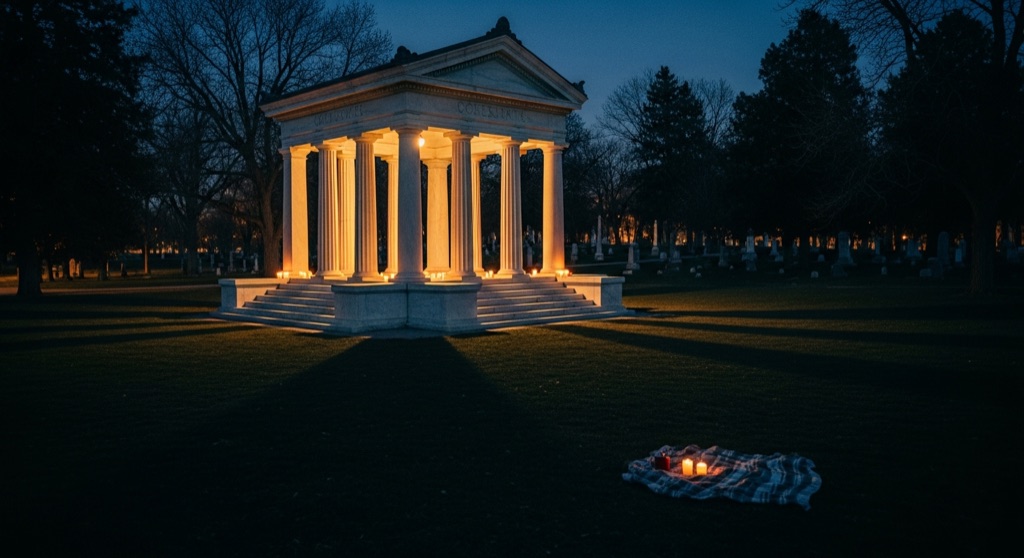 Cheesman Park Pavilion & Its Buried Dead
Cheesman Park looks like any leafy Denver green space, but it was the city's first cemetery — and when it was 'converted' to a park in the 1890s, the removal was botched so badly (corpses dismembered to fit child-sized coffins, the contractor fired mid-job) that an estimated 2,000+ unclaimed bodies were simply never dug up. The neoclassical marble pavilion, donated in 1909, sits directly on top of them. This isn't just legend: workers digging sprinkler and irrigation lines turned up actual skeletons in 2008 and again in 2010. Local lore claims standing on the west steps on a moonlit night reveals the old cemetery instead of the park — take that part as folklore, but the bodies under your picnic blanket are real.
Cheesman Park Pavilion & Its Buried Dead
Cheesman Park looks like any leafy Denver green space, but it was the city's first cemetery — and when it was 'converted' to a park in the 1890s, the removal was botched so badly (corpses dismembered to fit child-sized coffins, the contractor fired mid-job) that an estimated 2,000+ unclaimed bodies were simply never dug up. The neoclassical marble pavilion, donated in 1909, sits directly on top of them. This isn't just legend: workers digging sprinkler and irrigation lines turned up actual skeletons in 2008 and again in 2010. Local lore claims standing on the west steps on a moonlit night reveals the old cemetery instead of the park — take that part as folklore, but the bodies under your picnic blanket are real.
-
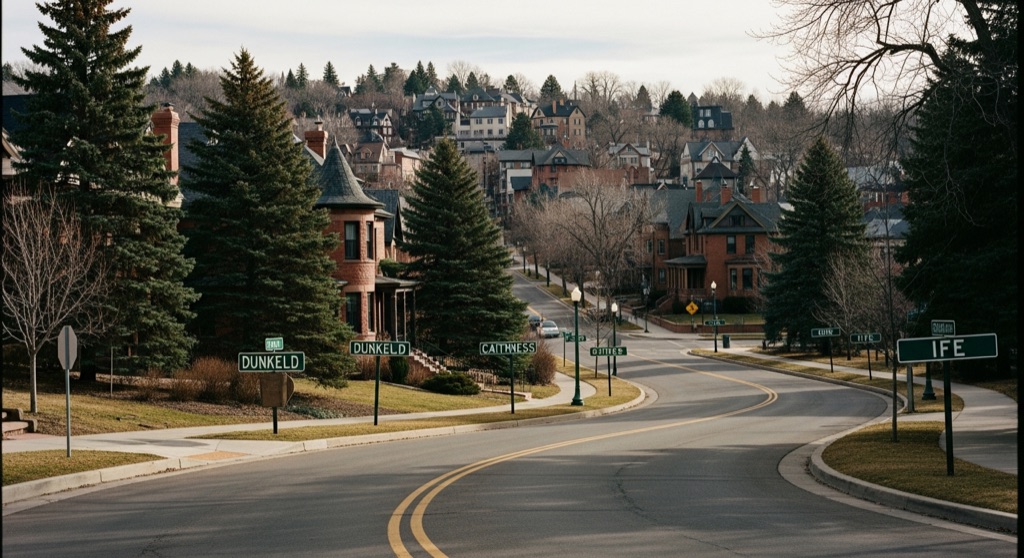 Highland Park / Scottish Village Historic District
Denver is a relentless grid until you turn off Zuni near 32nd and the streets suddenly start curving, with names like Argyle, Dunkeld, Caithness and Fife. In 1874 Palmer and Bell tried to build an entire Scottish-themed suburb here because the bluffs reminded Bell of the Highlands; the grand plan collapsed and only this 23.8-acre fragment survived, now on the National Register. You can be standing in a tiny piece of a failed Scotland and never know it.
Highland Park / Scottish Village Historic District
Denver is a relentless grid until you turn off Zuni near 32nd and the streets suddenly start curving, with names like Argyle, Dunkeld, Caithness and Fife. In 1874 Palmer and Bell tried to build an entire Scottish-themed suburb here because the bluffs reminded Bell of the Highlands; the grand plan collapsed and only this 23.8-acre fragment survived, now on the National Register. You can be standing in a tiny piece of a failed Scotland and never know it.
-
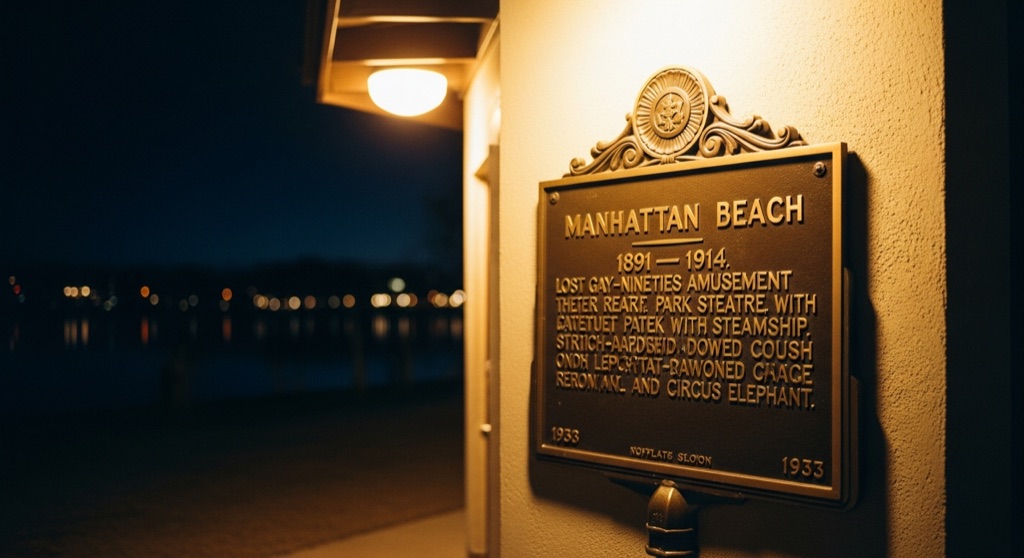 Manhattan Beach Historical Marker
Thousands of people loop Sloan's Lake every week and walk straight past a 1953 bronze plaque bolted to the north-shore restroom building. It marks Manhattan Beach, a Gay-Nineties amusement park that ran 1891-1914 with a theater, a steamship, an ostrich-drawn coach, even a circus elephant -- and left essentially zero physical trace. The theater burned in 1908 and the rest faded by 1914, so the plaque is basically the only evidence it was ever real. If you don't know it's there, it just blends into the wall.
Manhattan Beach Historical Marker
Thousands of people loop Sloan's Lake every week and walk straight past a 1953 bronze plaque bolted to the north-shore restroom building. It marks Manhattan Beach, a Gay-Nineties amusement park that ran 1891-1914 with a theater, a steamship, an ostrich-drawn coach, even a circus elephant -- and left essentially zero physical trace. The theater burned in 1908 and the rest faded by 1914, so the plaque is basically the only evidence it was ever real. If you don't know it's there, it just blends into the wall.
-
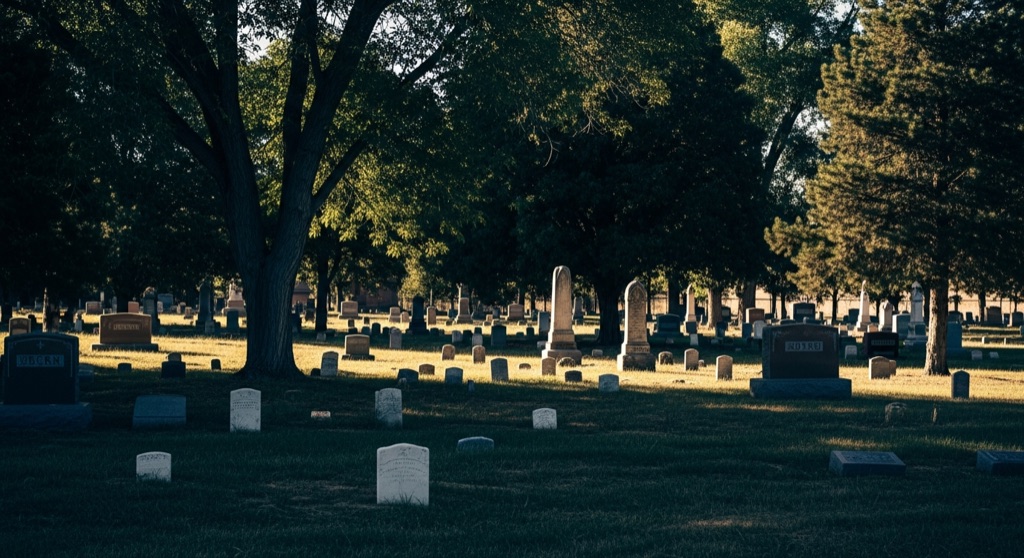 Riverside Cemetery History & Mystery Tours
Denver's oldest cemetery (1876) sits forgotten on 77 acres of dry, overgrown ground in Globeville — National Register-listed, yet on the state's most-endangered-places list, which tells you how few people visit. Beneath the leaning tombstones: Colorado's first governor, Augusta Tabor, Barney Ford, and a miner whose headstone is a hand-carved limestone replica of a mining cabin. The Fairmount Heritage Foundation runs the city's only nighttime cemetery tours plus free daytime walks — history and legend, by lamplight. Most locals don't even know it exists.
Riverside Cemetery History & Mystery Tours
Denver's oldest cemetery (1876) sits forgotten on 77 acres of dry, overgrown ground in Globeville — National Register-listed, yet on the state's most-endangered-places list, which tells you how few people visit. Beneath the leaning tombstones: Colorado's first governor, Augusta Tabor, Barney Ford, and a miner whose headstone is a hand-carved limestone replica of a mining cabin. The Fairmount Heritage Foundation runs the city's only nighttime cemetery tours plus free daytime walks — history and legend, by lamplight. Most locals don't even know it exists.
-
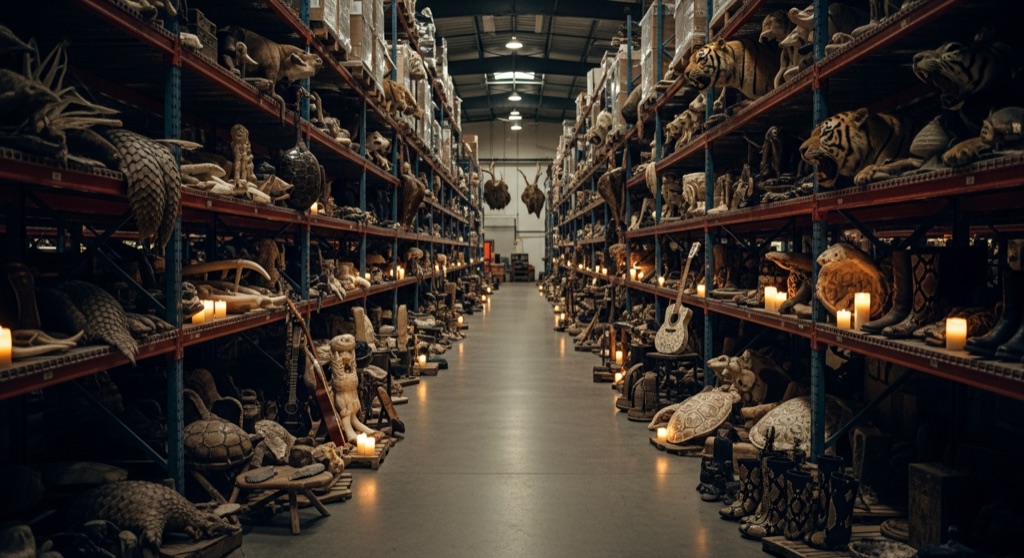 National Wildlife Property Repository
Tucked inside the Rocky Mountain Arsenal National Wildlife Refuge sits a 16,000-square-foot federal warehouse stacked floor to ceiling with the spoils of the global wildlife trade: pangolin scales, carved ivory, sea-turtle-shell guitars, python-skin boots, mounted tiger heads. It's the largest repository of seized trafficking goods on Earth, run by the U.S. Fish & Wildlife Service, and most Denverites have no idea it's a 20-minute drive away. When tours run, a ranger walks you through aisles of contraband that look like a customs seizure crossed with a natural-history nightmare.
National Wildlife Property Repository
Tucked inside the Rocky Mountain Arsenal National Wildlife Refuge sits a 16,000-square-foot federal warehouse stacked floor to ceiling with the spoils of the global wildlife trade: pangolin scales, carved ivory, sea-turtle-shell guitars, python-skin boots, mounted tiger heads. It's the largest repository of seized trafficking goods on Earth, run by the U.S. Fish & Wildlife Service, and most Denverites have no idea it's a 20-minute drive away. When tours run, a ranger walks you through aisles of contraband that look like a customs seizure crossed with a natural-history nightmare.
-
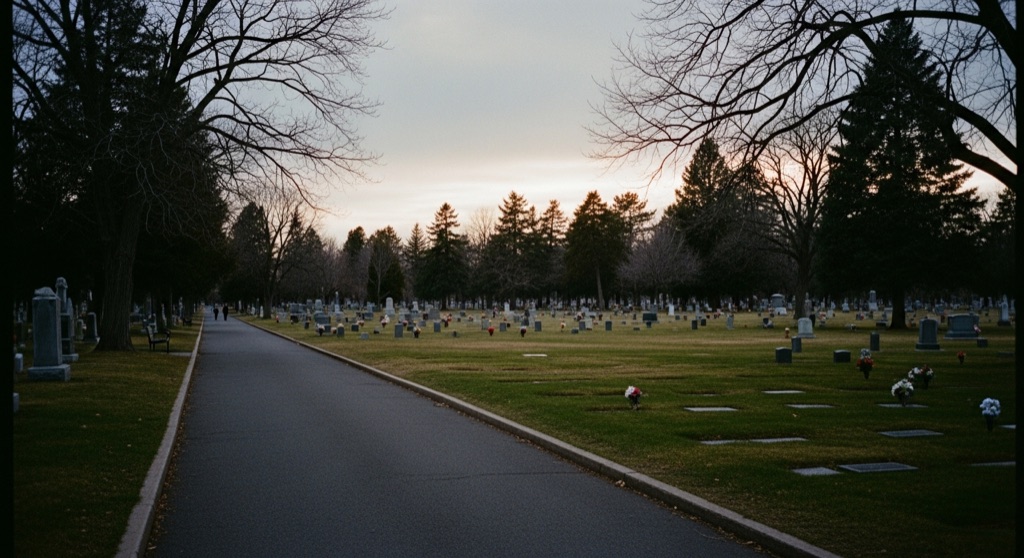 Riverside Cemetery Block 12 — Denver's Forgotten Potters Field
Riverside is Denver's oldest operating cemetery (1876) and a National Historic District, but almost no one knows about Block 12. It's a flat, near-empty stretch of grass hiding thousands of unmarked graves — a potters field where counties from across Colorado quietly shipped their poorest dead, including an enormous number of infants. There are no headstones; volunteers are still piecing together names from burial ledgers. Standing on what looks like an ordinary lawn and knowing what's under it is the whole experience.
Riverside Cemetery Block 12 — Denver's Forgotten Potters Field
Riverside is Denver's oldest operating cemetery (1876) and a National Historic District, but almost no one knows about Block 12. It's a flat, near-empty stretch of grass hiding thousands of unmarked graves — a potters field where counties from across Colorado quietly shipped their poorest dead, including an enormous number of infants. There are no headstones; volunteers are still piecing together names from burial ledgers. Standing on what looks like an ordinary lawn and knowing what's under it is the whole experience.
-
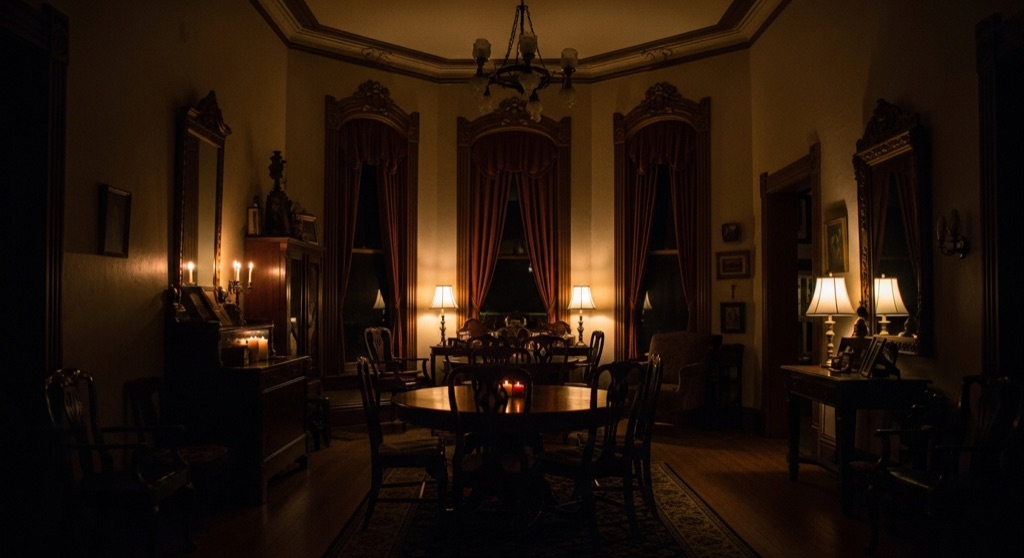 Lumber Baron Inn & Gardens
This ornate 1890 Queen Anne looks like any restored Highland mansion, but by 1970 it was a carved-up flophouse where two young women were murdered on October 13 — Cara Lee Knoche, a teenage runaway in the Valentine Suite, found strangled under the bed, and her friend Marianne Weaver shot dead on the floor. More than 50 years on, both killings are still unsolved (Weaver has a live Colorado cold-case file). The current owners restored the place into a B&B and lean all the way in, documenting frequent paranormal activity and putting on comedy murder-mystery dinners; the two victims' apparitions are the ones guests report in the Valentine Room and on the stairs.
Lumber Baron Inn & Gardens
This ornate 1890 Queen Anne looks like any restored Highland mansion, but by 1970 it was a carved-up flophouse where two young women were murdered on October 13 — Cara Lee Knoche, a teenage runaway in the Valentine Suite, found strangled under the bed, and her friend Marianne Weaver shot dead on the floor. More than 50 years on, both killings are still unsolved (Weaver has a live Colorado cold-case file). The current owners restored the place into a B&B and lean all the way in, documenting frequent paranormal activity and putting on comedy murder-mystery dinners; the two victims' apparitions are the ones guests report in the Valentine Room and on the stairs.
-
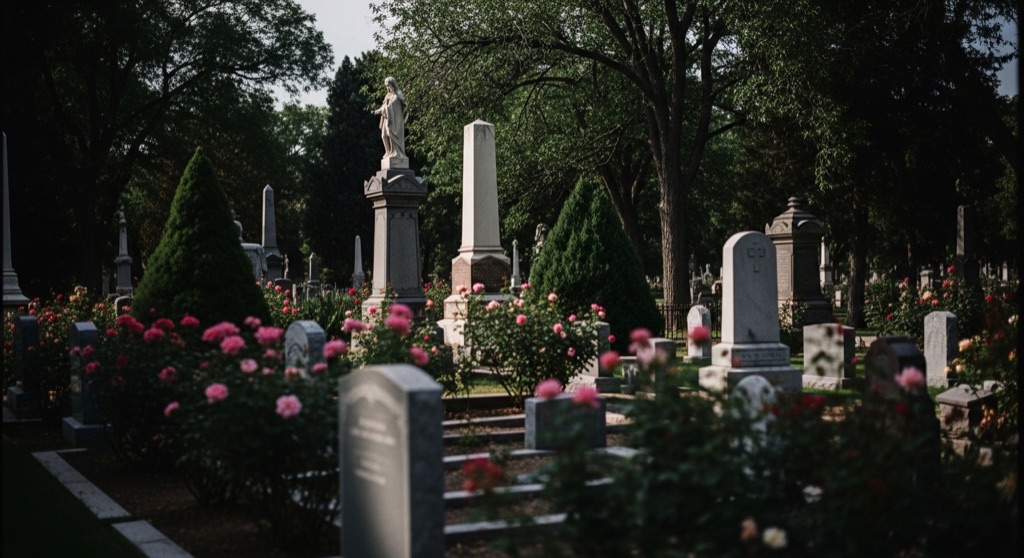 John Chivington's Grave at Fairmount Cemetery
Fairmount is Denver's beautiful Victorian garden cemetery — heritage roses, a Gothic chapel, pioneer notables. Almost no one wandering it knows that under a plain gray headstone lies Col. John Chivington, the man who ordered the 1864 Sand Creek Massacre, where peaceful Cheyenne and Arapaho — an estimated 70 to 600 people, most of them women and children — were slaughtered and mutilated. A Congressional investigation condemned him in the harshest terms and ended his career, but he was never court-martialed and died a free man in 1894. The stone bears his name and not one word about what he did; you have to bring that history with you.
John Chivington's Grave at Fairmount Cemetery
Fairmount is Denver's beautiful Victorian garden cemetery — heritage roses, a Gothic chapel, pioneer notables. Almost no one wandering it knows that under a plain gray headstone lies Col. John Chivington, the man who ordered the 1864 Sand Creek Massacre, where peaceful Cheyenne and Arapaho — an estimated 70 to 600 people, most of them women and children — were slaughtered and mutilated. A Congressional investigation condemned him in the harshest terms and ended his career, but he was never court-martialed and died a free man in 1894. The stone bears his name and not one word about what he did; you have to bring that history with you.
-
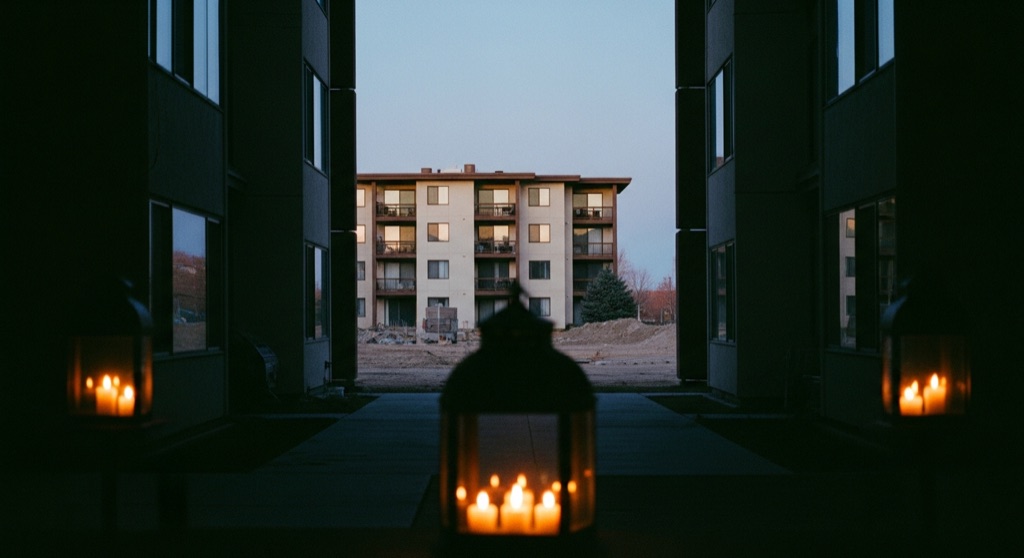 Henry Treat Rogers Mansion Site — Where 'The Changeling' Was Born (Now Summer House Condos)
Stand at 13th & Williams and you're on the footprint of a vanished mansion that birthed a horror classic. In the late 1960s playwright Russell Hunter rented the old Henry Treat Rogers house here, supposedly because it was cheap and nobody else would, and later claimed he'd found an attic trunk with a murdered disabled boy's journal — the seed of the 1980 film 'The Changeling.' The Denver Public Library can't actually confirm Hunter ever lived there and a historian has poked holes in the $70-million-fortune backstory, which only makes the legend better. The mansion is gone, replaced by the bland Summer House Condos, so there's nothing to see but the spot — which is the whole point.
Henry Treat Rogers Mansion Site — Where 'The Changeling' Was Born (Now Summer House Condos)
Stand at 13th & Williams and you're on the footprint of a vanished mansion that birthed a horror classic. In the late 1960s playwright Russell Hunter rented the old Henry Treat Rogers house here, supposedly because it was cheap and nobody else would, and later claimed he'd found an attic trunk with a murdered disabled boy's journal — the seed of the 1980 film 'The Changeling.' The Denver Public Library can't actually confirm Hunter ever lived there and a historian has poked holes in the $70-million-fortune backstory, which only makes the legend better. The mansion is gone, replaced by the bland Summer House Condos, so there's nothing to see but the spot — which is the whole point.
-
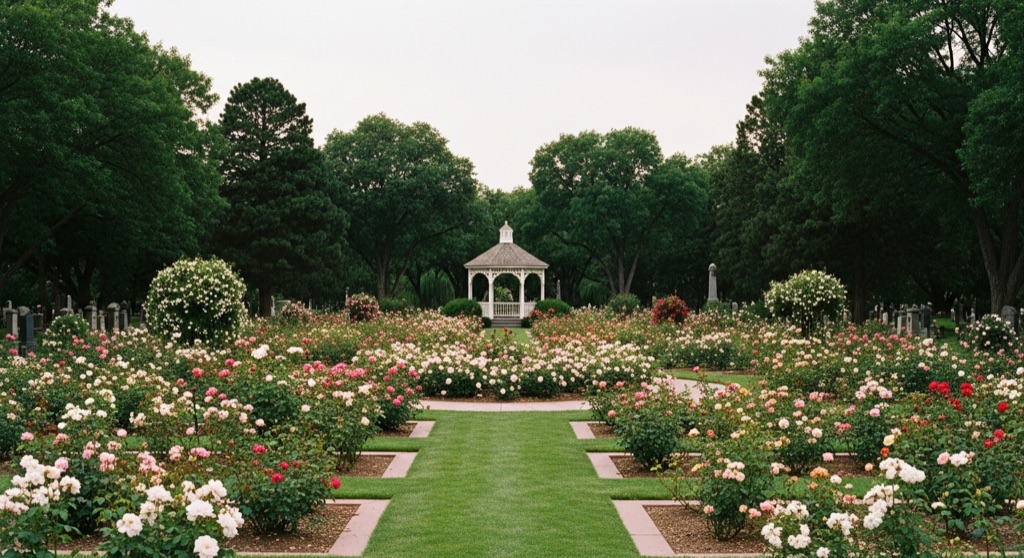 Fairmount Cemetery Arboretum & Heritage Rose Garden
This is Colorado's largest and most diverse arboretum — over 4,000 trees and shrubs first planted in 1890 by Reinhard Schuetze, the state's first landscape architect — and it's hiding in plain sight inside a still-operating cemetery off Quebec Street. The Heritage Rose Garden centered on the white gazebo in Block 85 holds one of the largest Old Garden Rose collections in the country: roughly 300 antique bushes in 60-plus varieties, some over a century old, many planted by grieving families on graves and now treated as a living horticultural archive. It's free, open daily, and almost nobody outside the rose-and-tree nerds knows you can just walk in and treat it as a botanical garden. Peak rose bloom is roughly June into early summer.
Fairmount Cemetery Arboretum & Heritage Rose Garden
This is Colorado's largest and most diverse arboretum — over 4,000 trees and shrubs first planted in 1890 by Reinhard Schuetze, the state's first landscape architect — and it's hiding in plain sight inside a still-operating cemetery off Quebec Street. The Heritage Rose Garden centered on the white gazebo in Block 85 holds one of the largest Old Garden Rose collections in the country: roughly 300 antique bushes in 60-plus varieties, some over a century old, many planted by grieving families on graves and now treated as a living horticultural archive. It's free, open daily, and almost nobody outside the rose-and-tree nerds knows you can just walk in and treat it as a botanical garden. Peak rose bloom is roughly June into early summer.
-
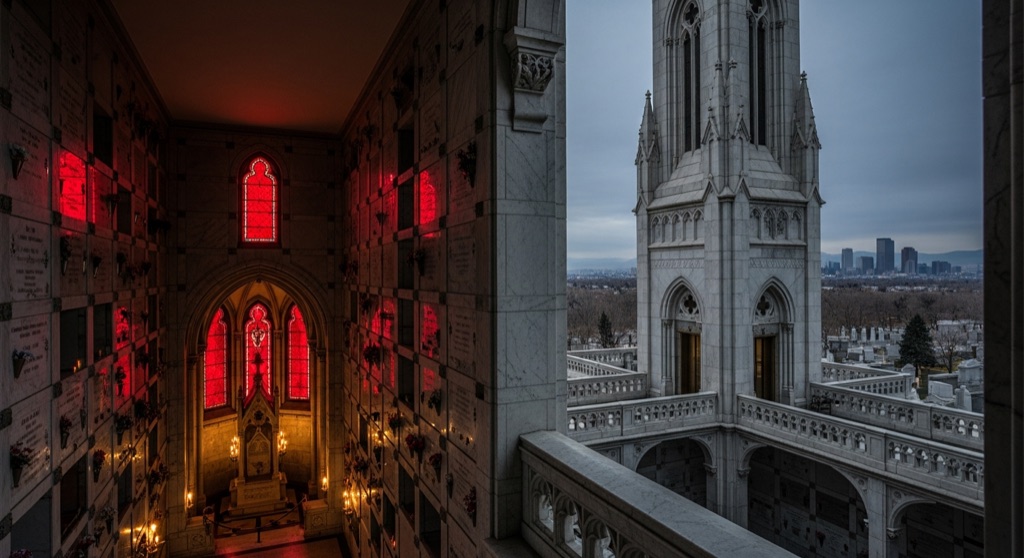 Tower of Memories
Drive past Crown Hill Cemetery on Wadsworth and you'll see a 158-foot Gothic tower most people assume is off-limits — it isn't. The Tower of Memories is a working 1920s mausoleum holding roughly 11,000 crypts and cremation niches behind marble walls and red stained glass, and during the day you can walk right into floors 1-3. Catch the elevator on a good day and it'll run you up to the 4th-6th floors, where the balconies open onto a sweeping view of the Denver skyline and the foothills almost nobody realizes is up there. It took decades and several architects to finish — interrupted by a firm's collapse and World War II.
Tower of Memories
Drive past Crown Hill Cemetery on Wadsworth and you'll see a 158-foot Gothic tower most people assume is off-limits — it isn't. The Tower of Memories is a working 1920s mausoleum holding roughly 11,000 crypts and cremation niches behind marble walls and red stained glass, and during the day you can walk right into floors 1-3. Catch the elevator on a good day and it'll run you up to the 4th-6th floors, where the balconies open onto a sweeping view of the Denver skyline and the foothills almost nobody realizes is up there. It took decades and several architects to finish — interrupted by a firm's collapse and World War II.
-
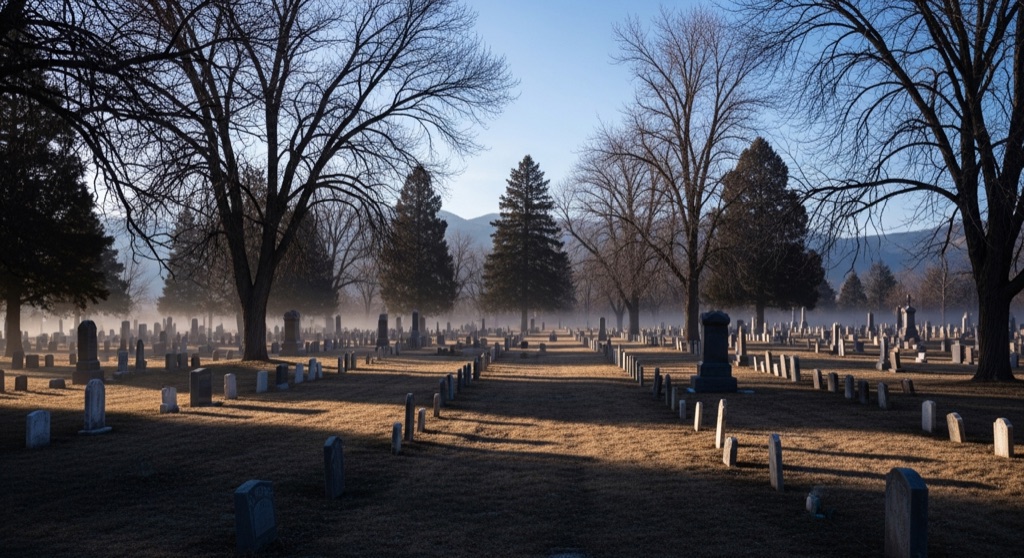 Alferd Packer's Grave
Colorado's only convicted cannibal is buried in plain sight in a front row of Littleton Cemetery, marked with a plain government-issued veteran's headstone for his 1862 Civil War regiment, no mention of the five companions he ate to survive the winter of 1874 in the San Juans. He did his time, got paroled to Jefferson County, and reportedly lived out his last years as a vegetarian. The grave sits a couple of rows in from S. Prince St, almost no signage, and you'll walk right past it unless you know the row.
Alferd Packer's Grave
Colorado's only convicted cannibal is buried in plain sight in a front row of Littleton Cemetery, marked with a plain government-issued veteran's headstone for his 1862 Civil War regiment, no mention of the five companions he ate to survive the winter of 1874 in the San Juans. He did his time, got paroled to Jefferson County, and reportedly lived out his last years as a vegetarian. The grave sits a couple of rows in from S. Prince St, almost no signage, and you'll walk right past it unless you know the row.
-
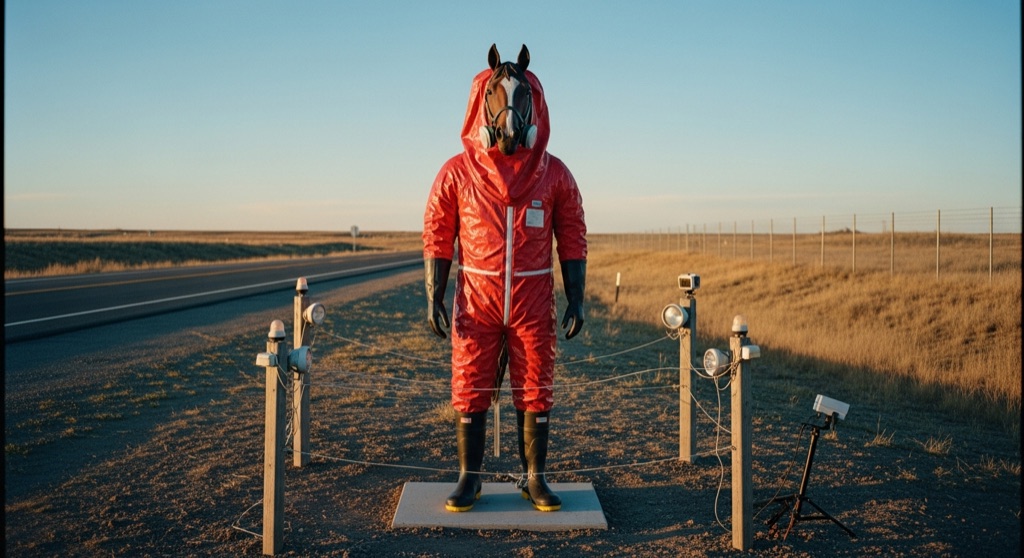 Cold War Horse
On a lonely stretch of Highway 72 northwest of Denver, a life-size horse stands in an electric-red hazmat suit, black rubber boots and a respirator. Artist Jeff Gipe (whose father worked the plant for 20 years) built it as a memorial to Rocky Flats, the nuclear weapons site beneath your feet that churned out more than 70,000 plutonium triggers for warheads from 1951 to 1989. It was sledgehammered by vandals within two weeks of going up; Gipe rebuilt it in his mother's Arvada garage and added a fence, sensor lights and a camera. Drivers pass it daily without ever knowing what the red horse is guarding.
Cold War Horse
On a lonely stretch of Highway 72 northwest of Denver, a life-size horse stands in an electric-red hazmat suit, black rubber boots and a respirator. Artist Jeff Gipe (whose father worked the plant for 20 years) built it as a memorial to Rocky Flats, the nuclear weapons site beneath your feet that churned out more than 70,000 plutonium triggers for warheads from 1951 to 1989. It was sledgehammered by vandals within two weeks of going up; Gipe rebuilt it in his mother's Arvada garage and added a fence, sensor lights and a camera. Drivers pass it daily without ever knowing what the red horse is guarding.
-
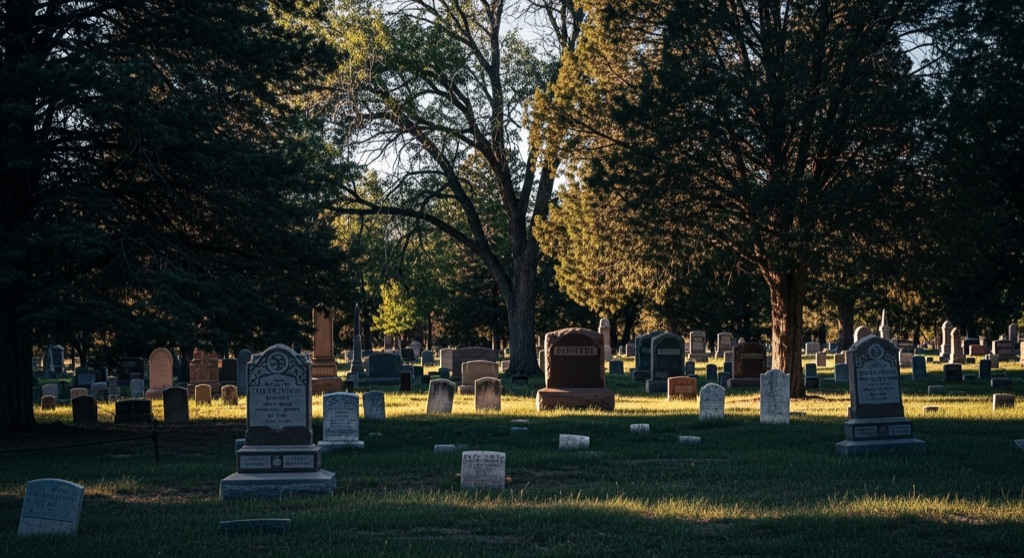 Scileppi's at the Old Stone Church
Scileppi's is a family-owned Italian restaurant operating since 2018 inside an 1888 rhyolite-stone Catholic church — Castle Rock's first — where the bar sits over what was once the church cemetery and regulars report a ghost girl in white haunting the old choir loft upstairs. The combination of genuinely good pasta, stained-glass ambiance, religiously-themed menu sections (including a two-top dubbed "the Confessional"), and well-documented paranormal lore makes it one of the most atmospheric dining rooms on the Front Range.
Scileppi's at the Old Stone Church
Scileppi's is a family-owned Italian restaurant operating since 2018 inside an 1888 rhyolite-stone Catholic church — Castle Rock's first — where the bar sits over what was once the church cemetery and regulars report a ghost girl in white haunting the old choir loft upstairs. The combination of genuinely good pasta, stained-glass ambiance, religiously-themed menu sections (including a two-top dubbed "the Confessional"), and well-documented paranormal lore makes it one of the most atmospheric dining rooms on the Front Range.
-
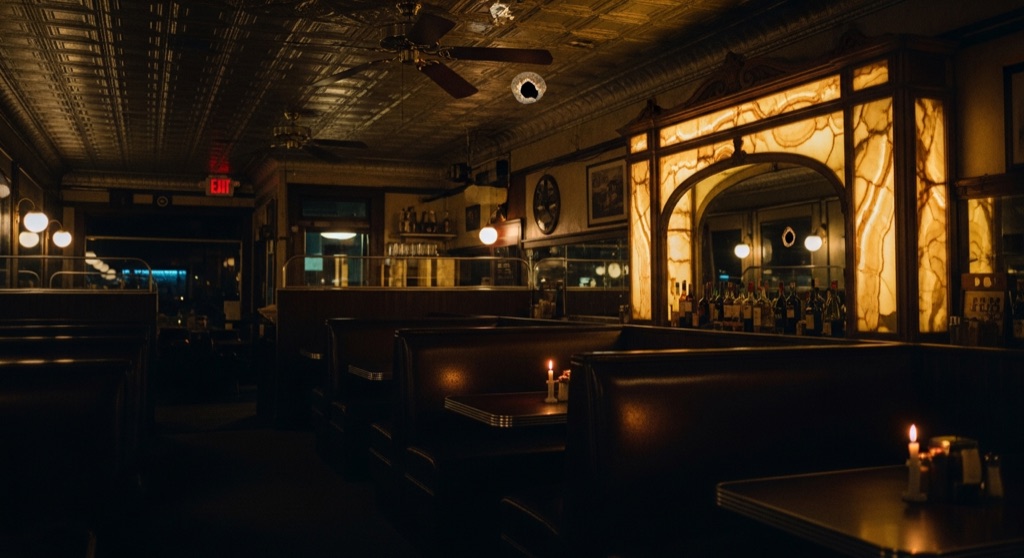 B&B Cafe
The B&B Cafe has anchored downtown Castle Rock since 1946, and two bullet holes — one in the pressed-tin ceiling near the vintage ceiling fan, one in the ornate Italian marble and onyx back-bar — mark where shots flew during the Valentine's Day arrest of a teenage fugitive who fatally shot Town Marshal Raymond Lewis. The cafe is still a beloved locals' breakfast and brunch spot, its original back-bar and booths largely intact.
B&B Cafe
The B&B Cafe has anchored downtown Castle Rock since 1946, and two bullet holes — one in the pressed-tin ceiling near the vintage ceiling fan, one in the ornate Italian marble and onyx back-bar — mark where shots flew during the Valentine's Day arrest of a teenage fugitive who fatally shot Town Marshal Raymond Lewis. The cafe is still a beloved locals' breakfast and brunch spot, its original back-bar and booths largely intact.
-
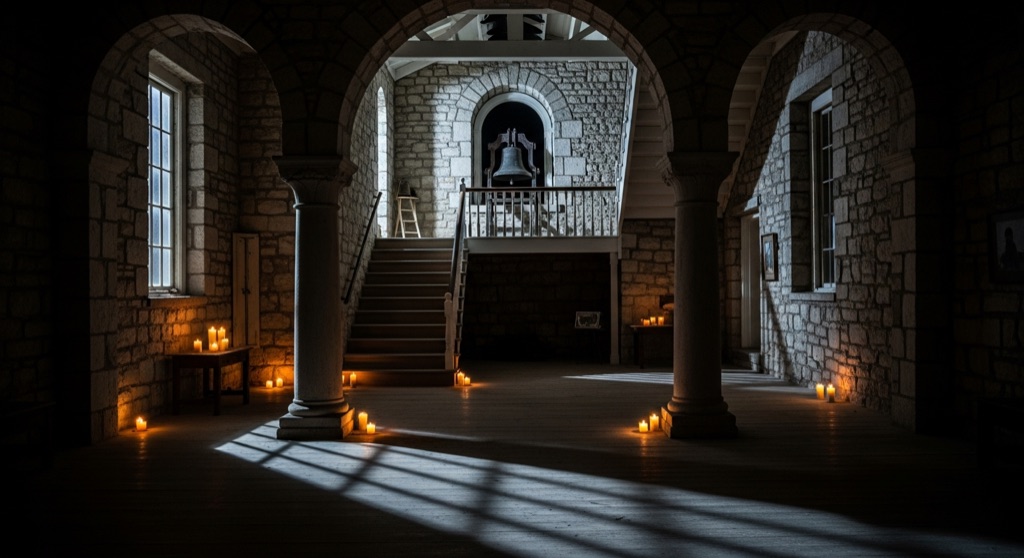 Cantril School House
This 1897 Roman-arched stone schoolhouse — a National Register of Historic Places landmark purchased by the Town of Castle Rock in 2023 — now buzzes with art classes, open studios, and rotating exhibitions run by the Tri Arts Project, all while "Matilda," a gray lady ghost reportedly spotted on the staircase to the bell tower, haunts the hallways with footsteps and toppled books. It's a rare place where genuine history, local legend, and living arts programming share the same creaking floors.
Cantril School House
This 1897 Roman-arched stone schoolhouse — a National Register of Historic Places landmark purchased by the Town of Castle Rock in 2023 — now buzzes with art classes, open studios, and rotating exhibitions run by the Tri Arts Project, all while "Matilda," a gray lady ghost reportedly spotted on the staircase to the bell tower, haunts the hallways with footsteps and toppled books. It's a rare place where genuine history, local legend, and living arts programming share the same creaking floors.
-
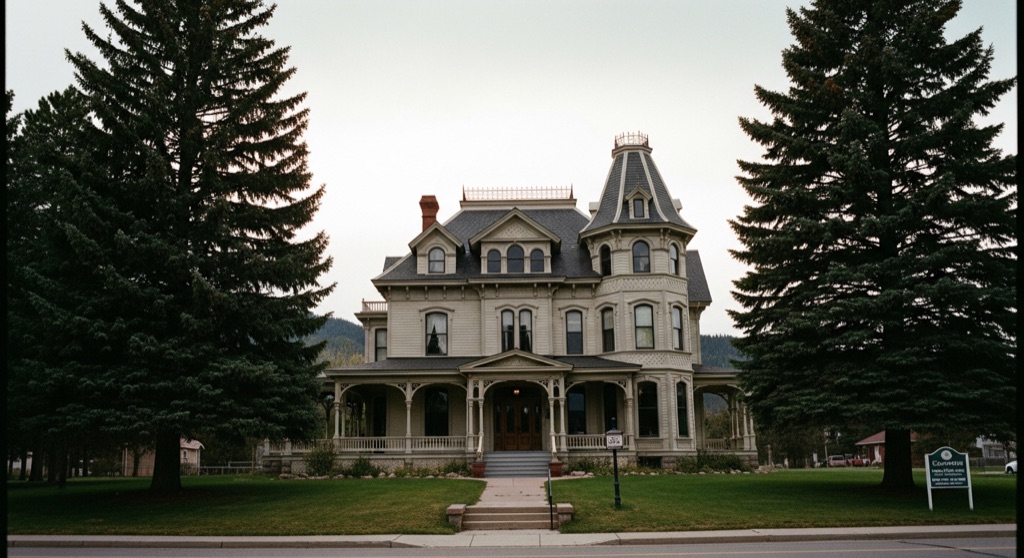 The Estemere
 is a genuine 1887 Queen Anne Victorian mansion — 18 rooms, seven fireplaces, a billiard room with stained-glass panels, a carriage house, and a chapel — sitting on 6.5 acres above 7,000 feet, built by Palmer Lake's dentist-founder and now a lovingly restored private residence. Its storied history as a millionaire's retreat, a girls' camp, and a Depression-era weaving school is documented in a full-length architectural history published by the Palmer Lake Historical Society.
The Estemere
The Estemere is a genuine 1887 Queen Anne Victorian mansion — 18 rooms, seven fireplaces, a billiard room with stained-glass panels, a carriage house, and a chapel — sitting on 6.5 acres above 7,000 feet, built by Palmer Lake's dentist-founder and now a lovingly restored private residence. Its storied history as a millionaire's retreat, a girls' camp, and a Depression-era weaving school is documented in a full-length architectural history published by the Palmer Lake Historical Society.
-
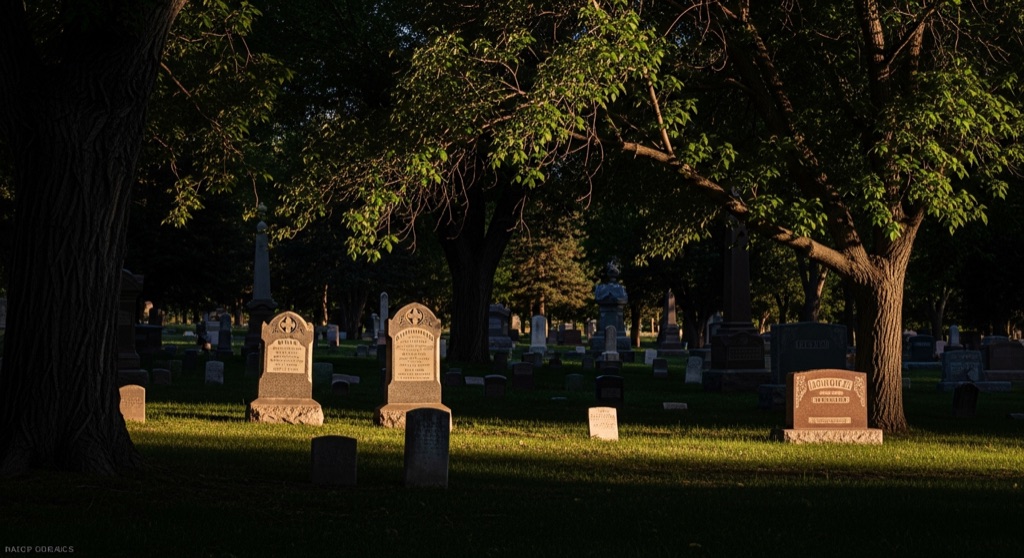 Lafayette Vampire Grave (Fodor Glava)
Teodor "Fodor" Glava, a Transylvanian coal miner who died in the 1918 flu pandemic, was buried here and became Lafayette's enduring vampire legend — locals allegedly staked his exhumed body, and the tree growing from the center of his plot is said to have sprouted from that very stake. Visitors still regularly leave roses, rosaries, and tokens on the grave, making it a living piece of Colorado folklore.
Lafayette Vampire Grave (Fodor Glava)
Teodor "Fodor" Glava, a Transylvanian coal miner who died in the 1918 flu pandemic, was buried here and became Lafayette's enduring vampire legend — locals allegedly staked his exhumed body, and the tree growing from the center of his plot is said to have sprouted from that very stake. Visitors still regularly leave roses, rosaries, and tokens on the grave, making it a living piece of Colorado folklore.
-
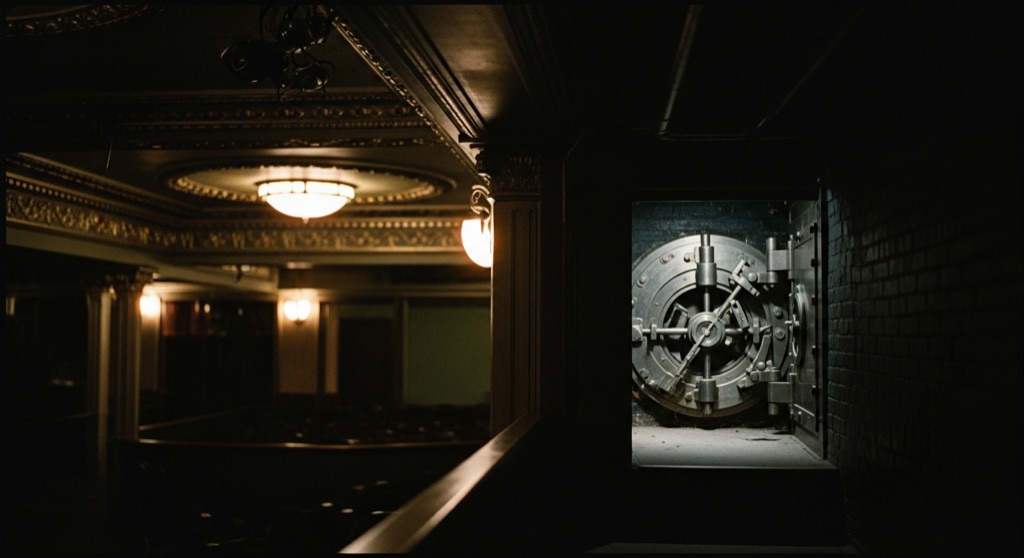 Dickens Opera House
Built in 1881, this lovingly restored Victorian opera house is Longmont's most famously haunted landmark — employees and performers report a sobbing woman who died on stage, mischievous child spirits in the green room, and a ghostly presence near the old bank vault. Today it operates as an active live-music and event venue with a restaurant (The Passenger) beneath it, and periodically hosts haunted history events including a scheduled "Haunted History of Longmont" evening in June 2026.
Dickens Opera House
Built in 1881, this lovingly restored Victorian opera house is Longmont's most famously haunted landmark — employees and performers report a sobbing woman who died on stage, mischievous child spirits in the green room, and a ghostly presence near the old bank vault. Today it operates as an active live-music and event venue with a restaurant (The Passenger) beneath it, and periodically hosts haunted history events including a scheduled "Haunted History of Longmont" evening in June 2026.
-
 Central City Masonic Cemetery (Woman in Black)
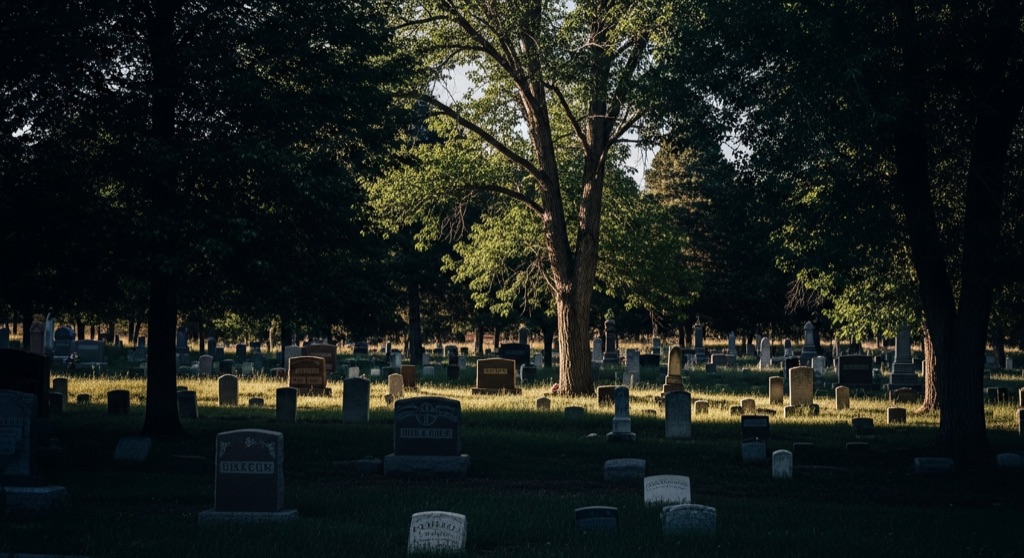
This 1860s gold-rush-era cemetery sits atop a knoll overlooking the mountain towns of Central City and Black Hawk, holding 373 graves of miners and Freemasons. Every April 5 and November 1, a mysterious woman in black satin is said to appear at sunset to lay flowers on the grave of John Edward Cameron — and when witnesses have tried to approach her, she vanishes on the hillside.
Central City Masonic Cemetery (Woman in Black)
This 1860s gold-rush-era cemetery sits atop a knoll overlooking the mountain towns of Central City and Black Hawk, holding 373 graves of miners and Freemasons. Every April 5 and November 1, a mysterious woman in black satin is said to appear at sunset to lay flowers on the grave of John Edward Cameron — and when witnesses have tried to approach her, she vanishes on the hillside.
-
 House With the Eye Museum
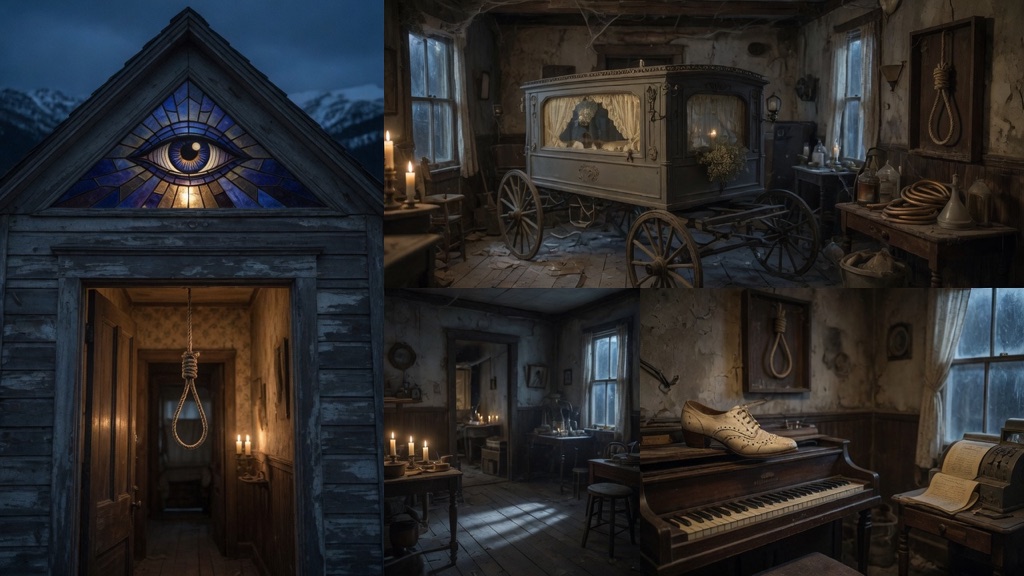
In 1879, carpenter Eugene Robitaille worked a stained-glass all-seeing eye into his gable, and Leadville spent a century insisting it was cursing the State Street brothels two blocks downhill (it wasn't; he was just devout). Inside the nine rooms: an 1890s horse-drawn hearse, the noose from an 1886 public hanging, Baby Doe Tabor's lace-up shoe, a Prohibition still, and a 1925 electric player piano. The house sat sealed for 24 years before reopening, and the old guest register has Debbie Reynolds' signature in it.
House With the Eye Museum
In 1879, carpenter Eugene Robitaille worked a stained-glass all-seeing eye into his gable, and Leadville spent a century insisting it was cursing the State Street brothels two blocks downhill (it wasn't; he was just devout). Inside the nine rooms: an 1890s horse-drawn hearse, the noose from an 1886 public hanging, Baby Doe Tabor's lace-up shoe, a Prohibition still, and a 1925 electric player piano. The house sat sealed for 24 years before reopening, and the old guest register has Debbie Reynolds' signature in it.
Haunted things to do in Denver — FAQ
Which haunted places & dark-history spots in Denver are the strangest?
Ranked by how strange they actually are: Rocky Mountain Land Library at the Puritan Pie Co., National Wildlife Property Repository and Henry Treat Rogers Mansion Site — Where 'The Changeling' Was Born (Now Summer House Condos). Rocky Mountain Land Library at the Puritan Pie Co. — A 1911 building that used to crank out pies for the Senter Pie Company is now stuffed with one of the strangest, best libraries in Denver: the Rocky Mountain Land Library, a 32,000-volume collection about nature, the land, birds, bees, and urban homesteading.
Where in Denver are they?
Across LoDo, Curtis Park, Cheesman Park, Highlands and Sloan's Lake and 15 more. Each listing gives the neighborhood and address so you can cluster a couple into one outing.
Are any of the haunted places & dark-history spots in Denver free?
Yes — 14 are free to visit, including Rocky Mountain Land Library at the Puritan Pie Co., Cheesman Park Pavilion & Its Buried Dead and Highland Park / Scottish Village Historic District. The rest are mostly low-cost.
Is this a good weird date in Denver?
That's what the list is built for. Every entry has a specific move rather than a vague recommendation — at Rocky Mountain Land Library at the Puritan Pie Co., for instance: Pull books on birds, bees, and backyard homesteading off the shelves together, then walk the surrounding Curtis Park Beat-history blocks (Cassady's old home is steps away) and end at a coffee shop to compare what you found.
How were these haunted places & dark-history spots chosen?
An agentic research system digs for the genuinely obscure — the spots even locals miss — and every one is verified against real sources before it makes the list. We deliberately skip the landmarks already on every Denver guide.