Entry No. 37 — the Pueblo file — filed under: offbeat-museum
Walsenburg Mining Museum
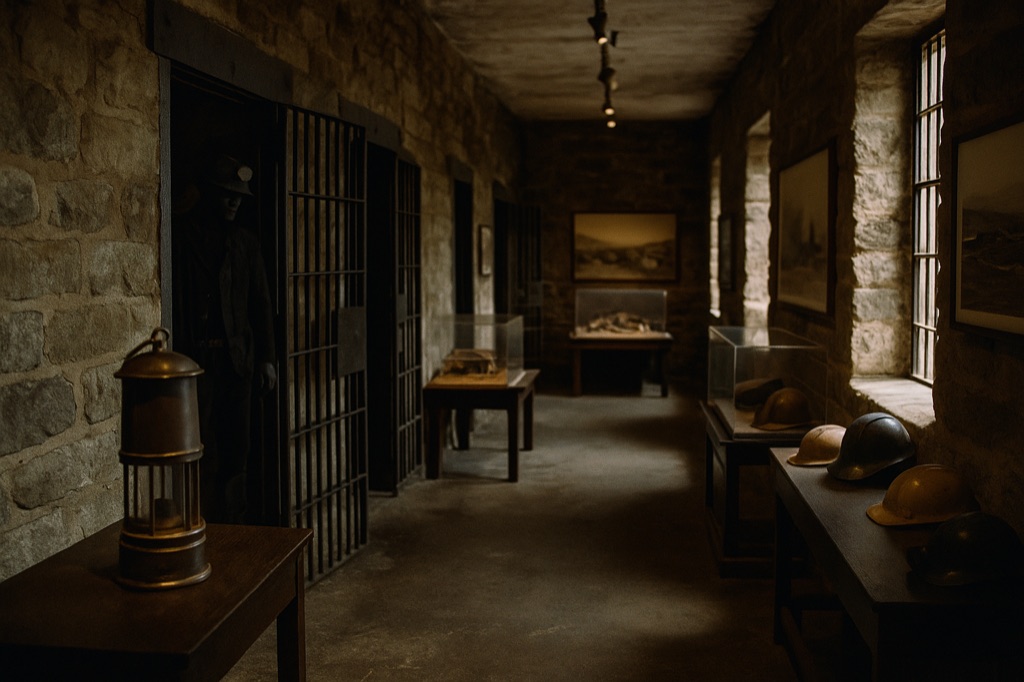
When 80-year-old labor firebrand Mary "Mother" Jones was arrested during the 1913 coal miners' strike, they locked her in this very building — and the 1896 stone jail cells are still standing behind the Huerfano County Courthouse. The museum inside documents over 100 coal camps across a county where an estimated 500 million tons of coal came out of the ground, killed miners at twice the rate of anywhere else in the world, and culminated in the 1914 Ludlow Massacre a few miles up the road. Dioramas, lamps, helmets, and period photographs fill the old cell blocks, and Bob Ford — the man who shot Jesse James — also did time here before the story caught up with him too.
→ Three more unusual museums & collections in Pueblo — never the same twice
The story
Behind the Huerfano County Courthouse sits an 1896 stone jailhouse that spent decades housing miners, outlaws, and union agitators before anyone thought to call it a museum. Look closely at the cell doors: in 1913, corporate coal interests persuaded local authorities to lock 80-year-old labor firebrand Mary "Mother" Jones inside these exact stone walls to keep her from organizing striking miners. Years earlier, Bob Ford—the man who shot Jesse James in the back—spent time locked up in the same block, long before his own past caught up with him in Creede.
Today, those cell blocks hold the unvarnished record of Huerfano County’s coal empire. Over 100 separate coal camps once dotted this region, extracting roughly 500 million tons of fuel while killing workers at twice the rate of anywhere else on earth. Instead of sanitized heritage plaques, you get glass cases packed with worn carbide lamps, battered leather helmets, shaft dioramas, and period photographs detailing the brutal working conditions that eventually exploded into the 1914 Ludlow Massacre just down the road.
What it's like
Pull up to West 5th Street and walk around behind the courthouse to find the entrance. Inside, the setup is low-key and self-guided: you walk right into narrow cell blocks where mining gear and strike photos now sit inside former lockups. Because it’s an unmodified 1896 stone jail, expect narrow doorways and zero wheelchair access. The real catch isn't finding the place—it’s the window of opportunity. Operating hours are strictly limited to Friday mornings into early afternoon and Saturday afternoons, so confirm times before making the trip.
The move: Drive the I-25 corridor south from Pueblo, spend an hour in the jail-turned-museum learning why Colorado coal country was the most dangerous in the world, then continue to the Ludlow Massacre Monument for a second stop that puts everything in context.
📍 Before you go Hours are limited — Friday mornings and early afternoons, Saturday afternoons only; self-guided. Building is not wheelchair accessible. Located behind the courthouse; street parking on W 5th Street.
- 📍 Walsenburg
- 💸 $
- ⚡ Up for anything
- 🌗 Indoors
Where: 112 W 5th Street, Walsenburg, CO 81089
Hours: Added 2026-06-21 — confirm current hours before you go.
⚠ Seasonal or scheduled — always check before you go.
Pair it with
- Museum of Friends — Walk a block over to trade heavy industrial labor history for an artist-run museum built on 1960s canvas swaps between Soho peers.
- FAROUT Murals of Walsenburg — Take a short walk through downtown right after your tour to see large-scale street art painted over the brick walls of the old coal boomtown.
- Old Pictou Mine — Drive two miles north to trace the ground outline of an 1887 coal camp that supplied fuel for Colorado steel and inmates for these jail cells.
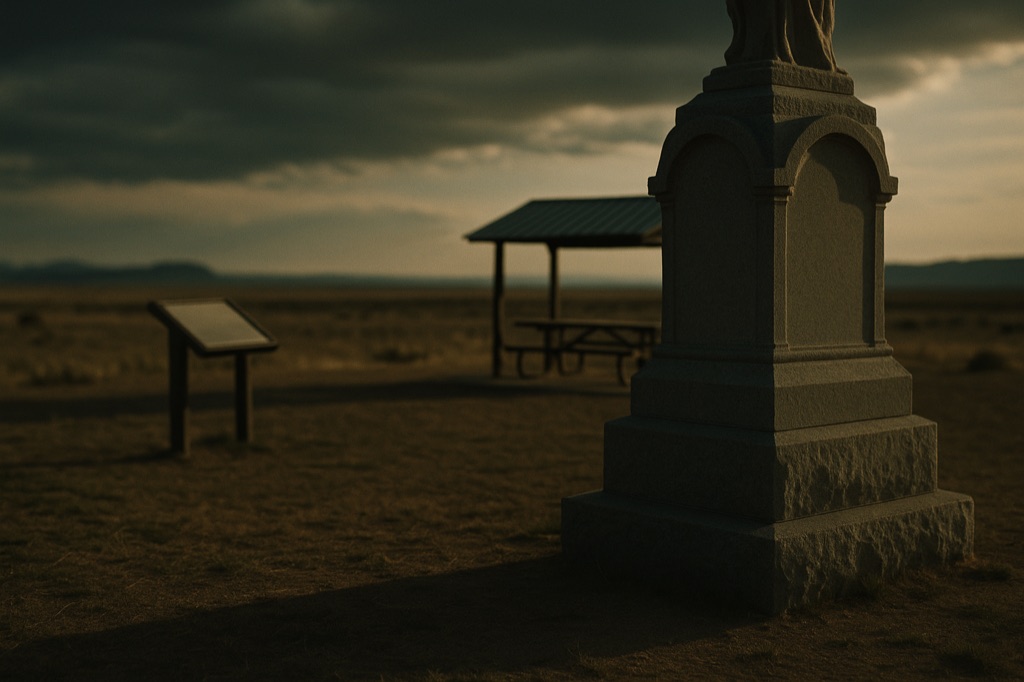
- Ludlow Massacre Memorial — Drive 22 miles south on I-25 to stand at the actual tent colony site where the coal strike documented in the jail cells turned deadly in 1914.
More weird in Pueblo

Good to know
When is the museum open?
Hours are extremely limited—typically Friday mornings through early afternoons, and Saturday afternoons only. Always confirm current schedule before driving down.
Is the museum wheelchair accessible?
No. The historic 1896 stone jail layout includes steps and tight doorways that make it impossible for wheelchair access.
Where do I park?
Look for street parking right along West 5th Street behind the Huerfano County Courthouse.
How long does a visit take?
Give yourself about 45 minutes to an hour to wander the cell blocks and read through the photo archives.
Plan a visit & invite your people →
Further reading: showcaves.com · spanishpeakscountry.com · colorado.com · uncovercolorado.com · historycolorado.org
last checked: 2026-06-21