Entry No. 40 — the Miami file — filed under: cemetery
Caballero Rivero Woodlawn Park North Cemetery and Mausoleum
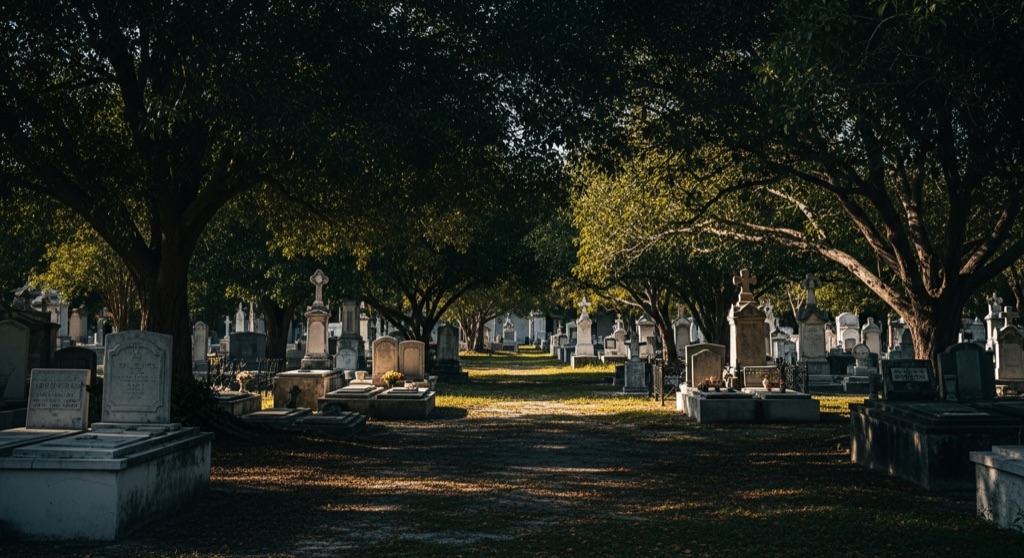
Behind a Calle Ocho storefront strip sits the 1926 stained-glass mausoleum, built by architect McDonald Lovell, where Gerardo Machado — Cuba's exiled dictator, nicknamed "the Butcher" for the killings and torture of his 1925-33 rule — was entombed after dying of colon cancer in Miami Beach in 1939. The same grounds hold Coral Gables founder George Merrick, former Cuban president Carlos Prío Socarrás, and 13 British Commonwealth WWII war graves.
→ Three more hidden bars & speakeasies in Miami — never the same twice
The story
Directly behind the storefronts and traffic on SW 8th Street sits a 1926 stained-glass mausoleum designed by architect McDonald Lovell. From the outside, you would hardly suspect Woodlawn Park North holds one of the most bizarrely concentrated cross-sections of 20th-century geopolitical history in South Florida. But step inside the heavy doors and the neighborhood noise drops away into marble and bronze silence.
The interior operates as an unintended museum of exiles and empire builders. Here lies Gerardo Machado—Cuba’s dictator from 1925 to 1933, infamously nicknamed 'The Butcher' for his regime's torture and killings before he fled to exile and died of colon cancer in Miami Beach in 1939. A few rows down from the dictator sits George Merrick, the dreamer who planned and built Coral Gables out of limestone and citrus groves, along with former Cuban president Carlos Prío Socarrás.
Outside the mausoleum walls, the grounds hold even stranger juxtapositions. Walk the grass and you will find a dedicated plot containing 13 British Commonwealth World War II war graves, alongside mass burials from the 1935 Labor Day hurricane. It is the ultimate Miami graveyard: a place where dead autocrats, city founders, foreign soldiers, and storm victims ended up sharing the same patch of Little Havana dirt.
What it's like
Pulling off Calle Ocho into the cemetery instantly cuts the city hum. The 1926 mausoleum is the centerpiece—cool, quiet, and lined with brass crypt markers and stained glass filtering the blinding Florida sun. Because this is a functioning burial ground and not a tourist attraction, there are no glossy plaques directing you to famous crypts; you'll need to read the marble faceplates carefully to spot Machado or Merrick. Keep your visit low-key and respectful, then walk a block down Calle Ocho for a strong cortadito to talk over the sheer oddity of who ends up side-by-side in eternity.
The move: Walk the marble-and-bronze mausoleum interior to find Machado's and George Merrick's crypts a few rows apart, then get a cortadito on Calle Ocho a block away and talk about who ends up buried near whom.
- 📍 Little Havana, Miami
- 💸 $$
- ⚡ Up for anything
- 🌗 Indoors
Where: 3260 SW 8th Street, Miami, FL 33135
Hours: Added 2026-07-19 — confirm current hours before you go.
Pair it with
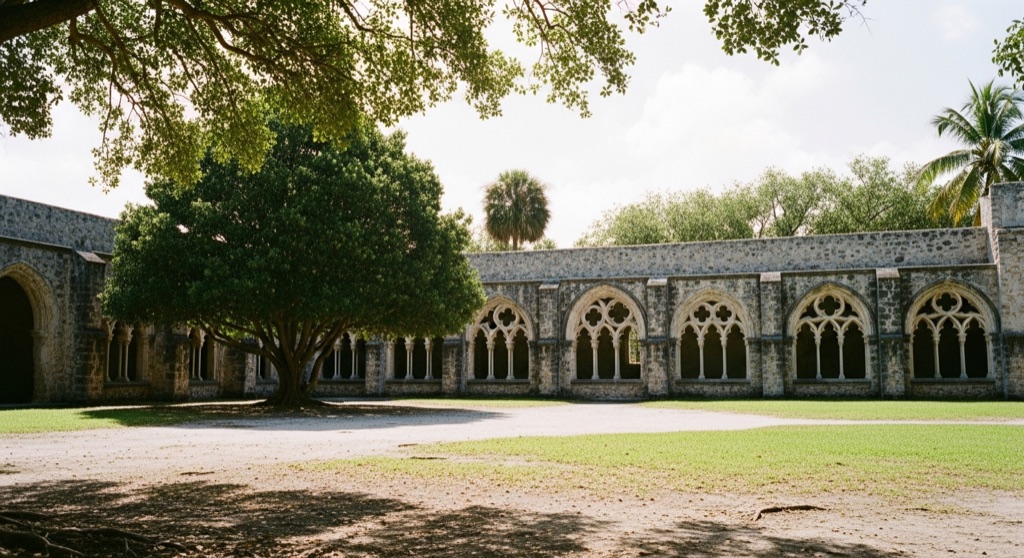
- Cuban Memorial Boulevard Park — Head two miles down the road to continue your dive into Cuban political history at the Brigade 2506 Bay of Pigs memorial flame.
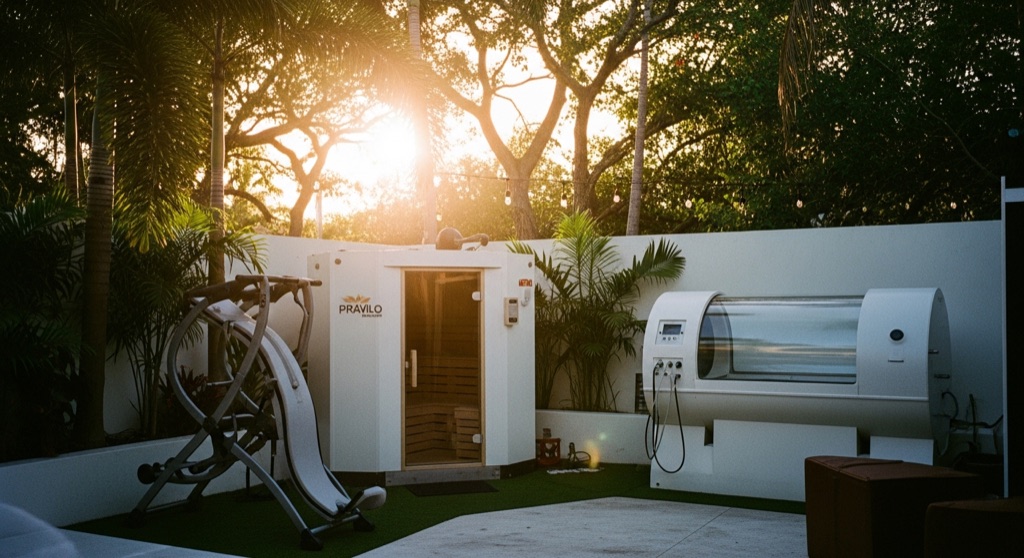
- Tijon Miami Fragrance Lab — Drive less than a mile south into Coral Gables to mix custom perfume after seeing the crypt of Coral Gables founder George Merrick.
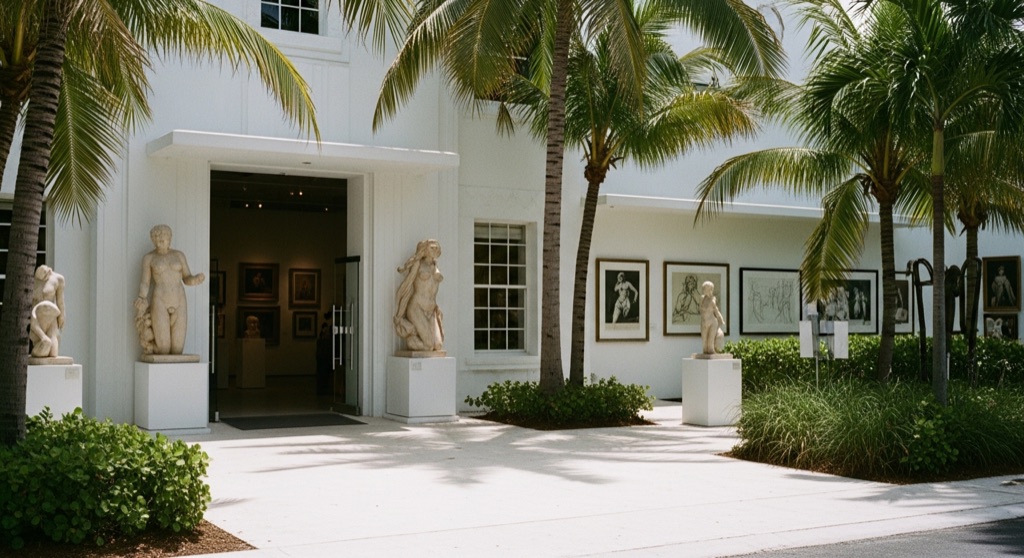
- El Espacio 23 — Trade quiet historical marble for a massive repurposed Allapattah warehouse holding cutting-edge private art collections.
More weird in Miami
Good to know
Where in the cemetery is dictator Gerardo Machado buried?
Machado's crypt is located inside the main 1926 indoor mausoleum, situated just a few corridors away from Coral Gables founder George Merrick.
Who else is buried at Caballero Rivero Woodlawn Park North?
Notable burials include Coral Gables developer George Merrick, former Cuban president Carlos Prío Socarrás, 13 British Commonwealth WWII casualties, and victims of the devastating 1935 Labor Day hurricane.
How much does it cost to visit?
Visiting the cemetery grounds and mausoleum is free, as it is an active cemetery open to the public during daytime hours.
What is the best way to combine this with a neighborhood trip?
Combine a walk through the quiet mausoleum with a stroll down Calle Ocho just outside the gates for Cuban coffee, cigars, and political monuments.
Plan a visit & invite your people →
Further reading: Wikipedia · commons.wikimedia.org
last checked: 2026-07-19