Entry No. 44 — the Grand Junction file — filed under: history
Tincup Cemetery
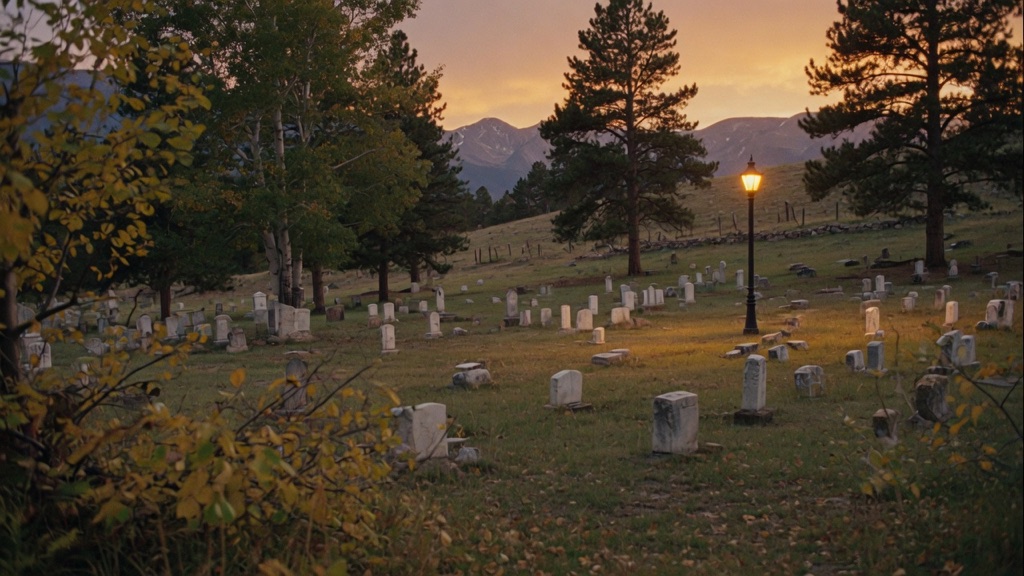
Perched at 10,158 feet in Taylor Park, Tincup's 1879 cemetery occupies four separate treeless knolls, each assigned by creed or circumstance. Protestant, Catholic, and Jewish sections hold pioneers, stillborn twins, and a centenarian who recorded -52°F in 1895. Boot Hill — tree-covered with panoramic views — takes the gamblers, the godless, and the shot. Harry Rivers, the town marshal killed by a saloon patron in 1882, is here. So is Black Jack Cameron, whose missing wooden marker allegedly read: "Here Lies Black Jack Cameron / He Held Five Aces." The six-grave Jewish knoll holds four Harris infants and two Klauber boys, none older than twelve days to five years. Roughly ninety burials in all, markers ranging from inscribed stone to sticks and rocks.
→ Three more hidden bars & speakeasies in Grand Junction — never the same twice
The story
At 10,158 feet in Taylor Park, Tincup didn't just segregate its living; it segregated its dead. Established in 1879, the cemetery sits divided across four distinct knolls west of the townsite. The pious and respectable were assigned three treeless, sun-baked hills according to their denomination—Protestant, Catholic, and Jewish. The fourth hill, shaded by trees and overlooking the valley, was reserved for Boot Hill: the gamblers, the unbaptized, the gunfighters, and anyone who died on the wrong end of a Colt .45.
Walk the terrain and the stark math of high-altitude survival becomes impossible to ignore. The six-grave Jewish knoll holds four Harris infants and two Klauber boys—not a single one of them lived past age five. Nearby lies a local centenarian who endured long enough to record a localized low of -52°F in 1895. Over on Boot Hill, you'll find Harry Rivers, the town marshal gunned down by a saloon patron in 1882, alongside the site of Black Jack Cameron's long-stolen wooden marker, which reportedly read: 'He Held Five Aces.'
There are roughly ninety recorded burials here, but you won't find manicured lawns or pristine marble headstones. Most markers are sun-bleached sticks, fieldstones stacked by hand, or weathered slabs of granite anchored in native mountain grass. The elements are slowly taking the place back, erasing names year by cold winter, leaving you with an eerie, unvarnished look at who actually built and bled for this corner of the Rockies.
What it's like
Reaching Tincup requires real intent. You'll drive roughly three and a half hours from Grand Junction, kicking up dust over Cumberland Pass before picking your way through the surviving cabin structures of the ghost town. Follow the hand-painted cemetery signs onto the dirt track west of town and pull over where the knolls rise up. Expect complete silence broken only by high-elevation wind. There are no gift shops, no fences, no ticket booths, and zero cell service. Walk the four knolls slowly, watch your footing on the unmaintained terrain, and leave every stone and piece of weathered wood exactly as you find it.
The move: Drive over Cumberland Pass on a clear summer morning, walk the four knolls slowly and read every legible marker, then stop at Taylor Park Trading Post for lunch before the return. Pack a picnic if the post is closed — there is nothing else out there, and that is the point.
📍 Before you go The cemetery is free and open year-round in principle, but Tincup is inaccessible from roughly late October through late June due to snow. The main approach via Cumberland Pass from Pitkin is a well-graded dirt road passable by most passenger vehicles in summer. Tincup Pass from the east requires high-clearance 4WD. No services in town — fill up in Gunnison or Pitkin. From Grand Junction allow roughly 3.5 hours. The road and pass can close earlier than expected after fall storms; check with the Salida Ranger District at (719) 539-3591 for current conditions.
- 📍 Tincup
- 💸 $$
- ⚡ Up for anything
- 🌗 Indoors
Where: County Road 765, Tincup, CO 81210 — drive straight through town, turn left at the fork past the main street, then left again following small cemetery signs; cemetery sits on the knolls just west of the townsite
Hours: Added 2026-06-11 — confirm current hours before you go.
⚠ Seasonal or scheduled — always check before you go.
Pair it with
- Alpine Tunnel West Portal — Pair the grave knolls with a trip over Cumberland Pass to see where crewmen bored the highest railroad tunnel in the world during Tincup's exact 1880s boom era.
- Gunnison Pioneer Museum — Stop at Gunnison's sprawling outdoor museum on your way back down to see the physical tools, wagons, and pioneer photos from the high-country camps you just walked through.
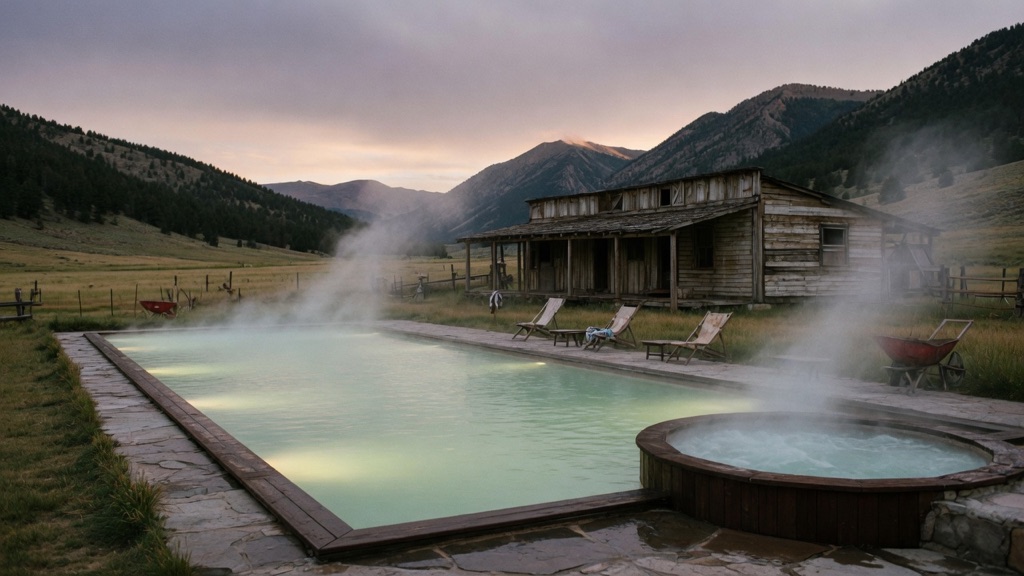
- Waunita Hot Springs Ranch — After a cold wind sweeps you across 10,000-foot graveyard knolls, drive south to soak in natural hot springs tucked right below the Continental Divide.
More weird in Grand Junction
Good to know
How do I get to Tincup Cemetery?
Drive straight through Tincup on County Road 765, turn left at the fork past main street, then take another left following the small wooden cemetery signs. The cemetery sits on the western knolls just outside the townsite. Summer access via Cumberland Pass from Pitkin is fine for passenger cars, but the eastern approach over Tincup Pass requires high-clearance 4WD.
When is the cemetery open?
While technically open year-round, snow makes Tincup completely inaccessible to vehicle traffic from roughly late October through late June. Call the Salida Ranger District at (719) 539-3591 before heading up to check if the pass is clear.
Are there services or food available in Tincup?
No. There are no gas stations, public restrooms, or convenience stores in Tincup proper. Fill up your tank in Pitkin or Gunnison, and grab lunch at the Taylor Park Trading Post down the road, or bring a packed tailgate picnic.
Plan a visit & invite your people →
Further reading: coloradocentralmagazine.com · springsmag.com · uncovercolorado.com · findagrave.com
last checked: 2026-06-11