Entry No. 69 — the Coeur d'Alene file — filed under: ruins
Star Mine
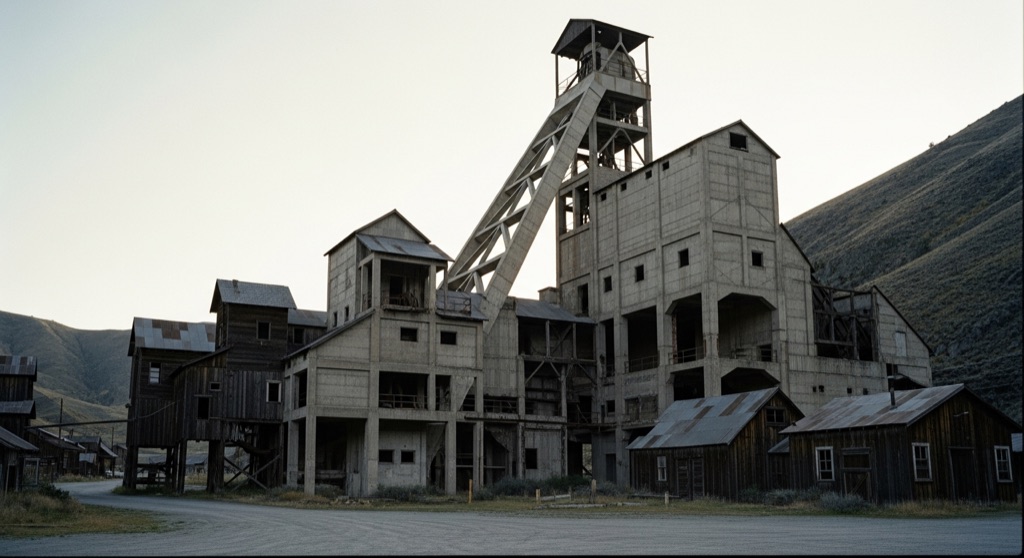
Operating from the 1890s until its final closure in 1991, the Star Mine was once the deepest mine in North America, plunging 8,100 feet underground to extract silver, lead, and zinc. Following a devastating 1923 fire, the Hecla Mining Company rebuilt the surface facilities with concrete and brick, leaving behind the towering, skeletal mill ruins that still loom over the canyon today. The site is currently part of an active EPA Superfund cleanup, with its massive concrete structures slowly being reclaimed by the elements.
→ Three more abandoned & forgotten places in Coeur d'Alene — never the same twice
The story
Plunging 8,100 feet beneath the canyon floor, the Star Mine spent much of the 20th century as the deepest mine in North America, extracting silver, lead, and zinc through thousands of feet of subterranean shafts. Operations started in the 1890s within the claustrophobic gulch of Burke Canyon, where steep mountain walls pinch the valley down to barely 300 feet across. When a massive fire roared down the canyon in 1923 and burned the mine's wooden surface structures to ash, the Hecla Mining Company rebuilt the mill complex out of thick reinforced concrete and brick.
That heavy industrial masonry is the only reason the skeletal mill carcass still stands today. The mine produced ore off and on for roughly a century before its final closure in 1991. What remains is a looming, multi-story monolith of concrete decay decaying against the pine trees. Because the site sits within an active EPA Superfund cleanup area—remediating heavy metals from decades of toxic runoff—and remains private property owned by Hecla, you won't be stepping inside the crumbling shell.
You don't need to trespass to get the full eerie impact. Viewed from the asphalt of Burke-Canyon Creek Road, the towering ruin looks like an industrial fortress left behind after the end of the world. Nature is slowly grinding down the concrete, but the sheer scale of early-20th-century heavy engineering remains impossible to miss.
What it's like
Driving up Burke-Canyon Creek Road feels like entering an isolated corridor where the silver rush died and left its bones behind. You can pull off safely onto the gravel shoulder along the public road to take in the imposing concrete mill looming over the creek bed. Don't even think about crossing the perimeter fence: Hecla Mining Company owns the land, active EPA Superfund cleanup makes physical entry hazardous, and trespassing is illegal. Bring a zoom lens or a drone to capture the brutalist concrete structures from the public right-of-way without inviting trouble.
The move: Take a scenic drive up Burke-Canyon Creek Road to photograph the towering concrete ruins of the historic mill and the surrounding ghost town structures safely from the roadside.
📍 Before you go The mine ruins are located on private property owned by the Hecla Mining Company and are undergoing active EPA Superfund cleanup, making physical entry illegal and hazardous, though they are easily viewed from the public highway.
- 📍 Wallace
- 💸 Free
- ⚡ Low-key
- 🌗 Outdoors
Where: Burke-Canyon Creek Rd, Wallace, ID 83873, USA
Hours: Added 2026-07-20 — confirm current access before you go.
Pair it with
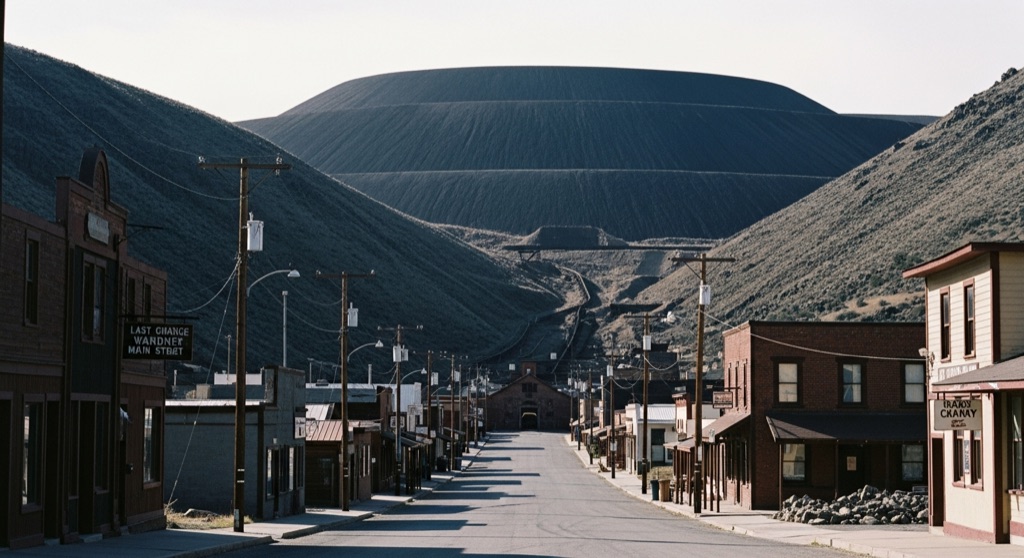
- Burke Ghost Town — Continue down Burke-Canyon Creek Road to see the rest of this ultra-narrow canyon ghost town jammed between mountain walls.
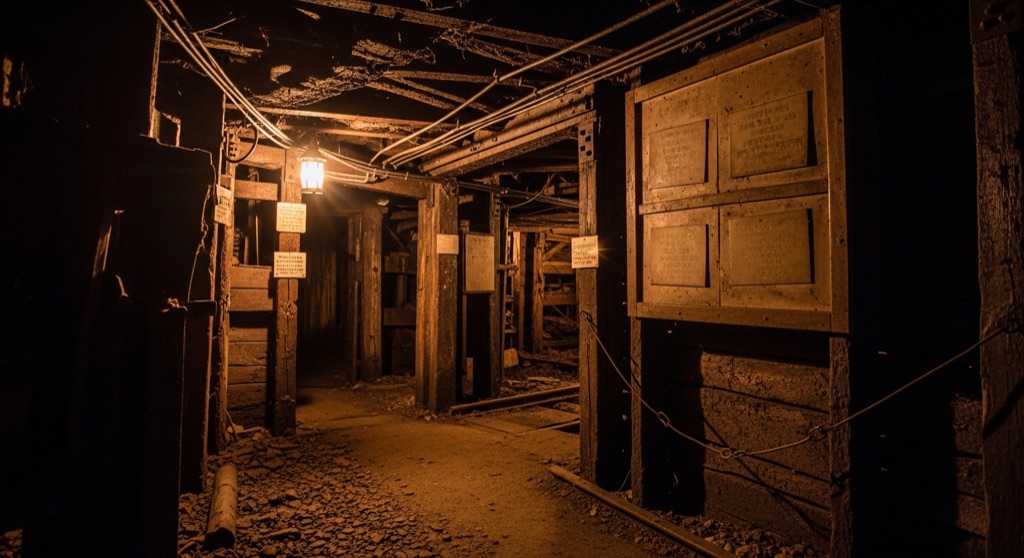
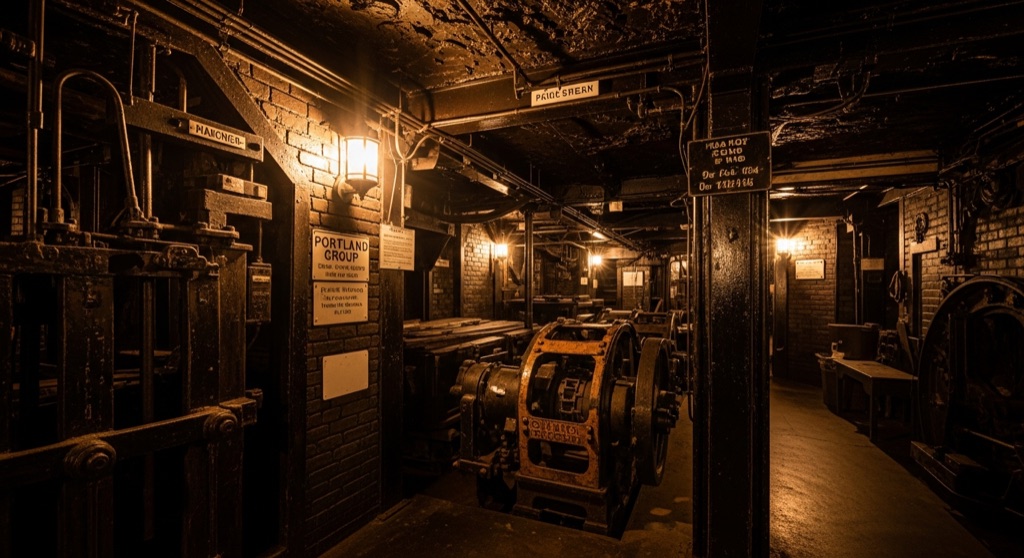
- Sierra Silver Mine Tour — Since you can only observe the Star Mine from the roadside, head six miles down to Wallace to strap on a hard hat and venture underground inside an actual silver mine.
- Oasis Bordello Museum — Head six miles into downtown Wallace to step inside a preserved 1988 bordello frozen in time after a sudden federal raid.
- Pulaski Tunnel Trail — Hike the two-mile trail near Wallace to the historic mine adit where ranger Ed Pulaski saved 45 firefighters during the Great Fire of 1910.
More weird in Coeur d'Alene
Good to know
Can I explore inside the Star Mine mill ruins?
No. The site is private property owned by Hecla Mining Company and part of an active EPA Superfund cleanup zone. Physical entry is illegal and hazardous, though you can view the ruins clearly from the public road.
How deep was the Star Mine?
At its deepest point, the mine shaft reached 8,100 feet underground, earning it the title of the deepest mine in North America during its operational years.
When did the Star Mine close?
The mine began operating in the 1890s and went through several production phases before its final closure in 1991.
Why are the ruins made of concrete?
A devastating fire swept through Burke Canyon in 1923, destroying the original timber structures. Hecla Mining Company rebuilt the surface facilities using concrete and brick to fireproof the mill.
Plan a visit & invite your people →
Further reading: Wikipedia · Atlas Obscura
last checked: 2026-07-20