Entry No. 53 — the Washington, D.C. file — filed under: ruins
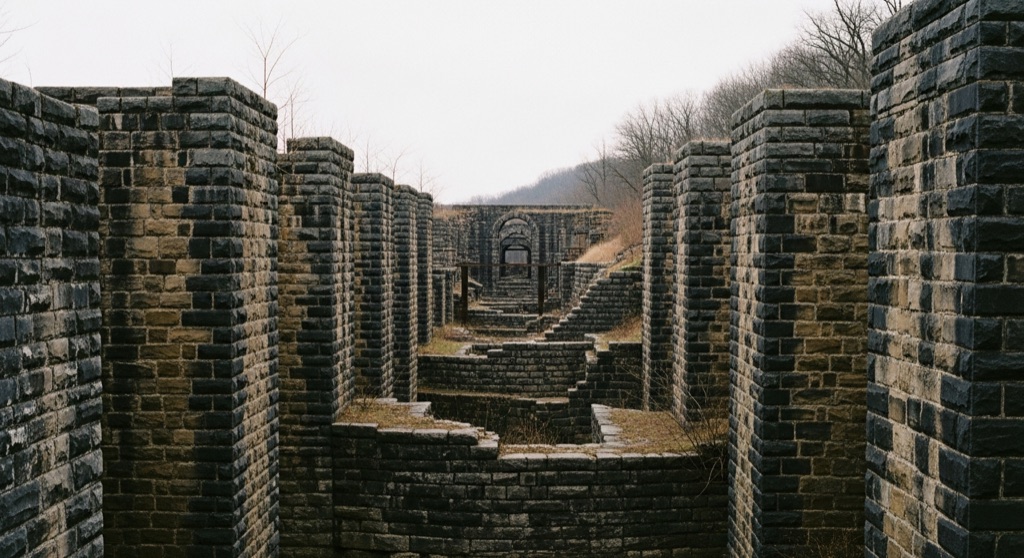
Ruins of Shenandoah Pulp Factory
Constructed in 1887–1888 by Thomas Savery on the former site of the Shenandoah Canal's lower locks, this large mill once produced up to 15 tons of wood pulp daily. After closing in 1935 due to unprofitability, the factory was destroyed just a year later by the historic Potomac-Shenandoah flood of 1936. Today, its massive stone foundations, retaining walls, and water flumes remain as a haunting monument to the area's water-powered industrial era.
→ Three more abandoned & forgotten places in Washington, D.C. — never the same twice
The story
In 1887, industrialist Thomas Savery picked a spot right on top of the lower locks of the decaying Shenandoah Canal and set to work turning water power into paper stock. By the time construction wrapped in 1888, his Shenandoah Pulp Factory was a heavy-industrial behemoth, churning out up to 15 tons of wood pulp daily using the river's relentless current to drive its machinery.
The operation ran for nearly five decades before economic reality caught up with it. By 1935, shifting markets and newer technology made the water-powered mill completely unprofitable, and the factory shut its doors. The river didn't wait long to reclaim its territory—just a year later, the historic Potomac-Shenandoah flood of 1936 surged through the gorge, dismantling the wooden superstructure and sweeping everything away except the stone bones.
What you find today on Virginius Island isn't a neat, roped-off museum exhibit. It's the stubborn skeleton of 19th-century engineering: towering stone retaining walls, cut-masonry foundation footings, and cavernous water flumes where the canal once channeled the river directly beneath the factory floor.
What it's like
You'll reach the site via the Virginius Island Loop Trail, accessible from Lower Town or on the trail loop coming down from the main visitor center. The walk is easy, but stepping off the beaten path puts you among thick woods growing directly through the floorboards of late-1800s industry. You can stand inside the dry stone flumes and trace the original water lines. Because it's within Harpers Ferry National Historical Park, access is legal, but keep an eye out for high-water trail advisories before making the drive.
The move: Take a romantic hike along the Virginius Island Loop Trail to photograph the towering stone foundations and explore the historic canal ruins together.
📍 Before you go The ruins are located within Harpers Ferry National Historical Park and are legally accessible to the public via the Virginius Island Loop Trail.
- 📍 Harpers Ferry
- 💸 Free
- ⚡ Low-key
- 🌗 Outdoors
Where: Harpers Ferry, WV 25425, USA
Hours: Added 2026-07-20 — confirm current access before you go.
Pair it with
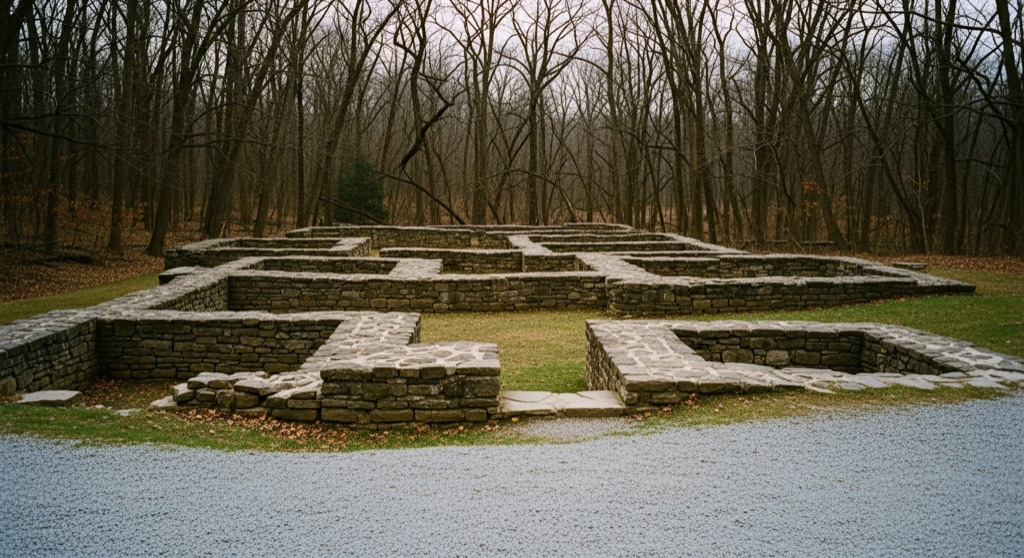
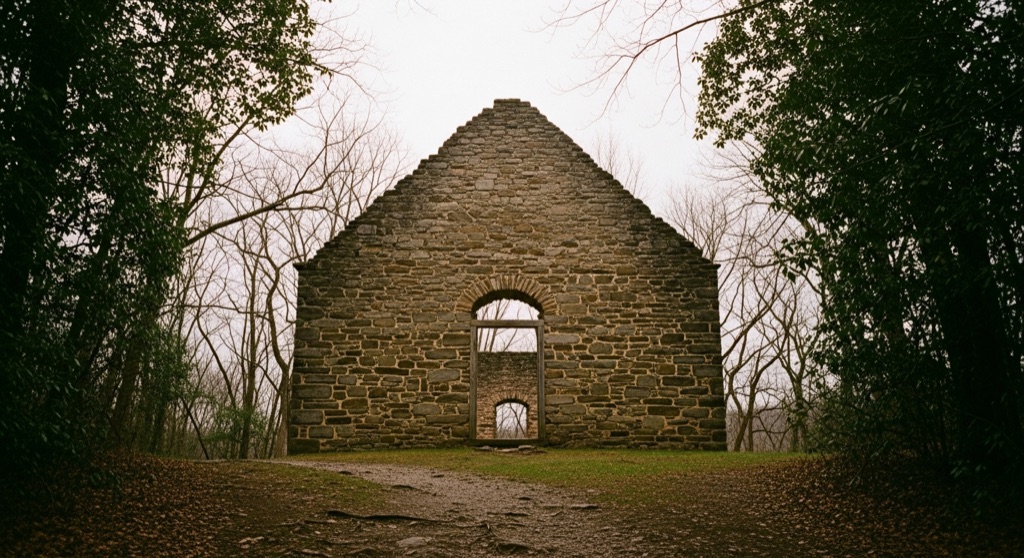
- Ruins of St. John's Episcopal Church — Walk four-tenths of a mile uphill in Harpers Ferry to compare industrial stone ruins with a Civil War-damaged church shell.
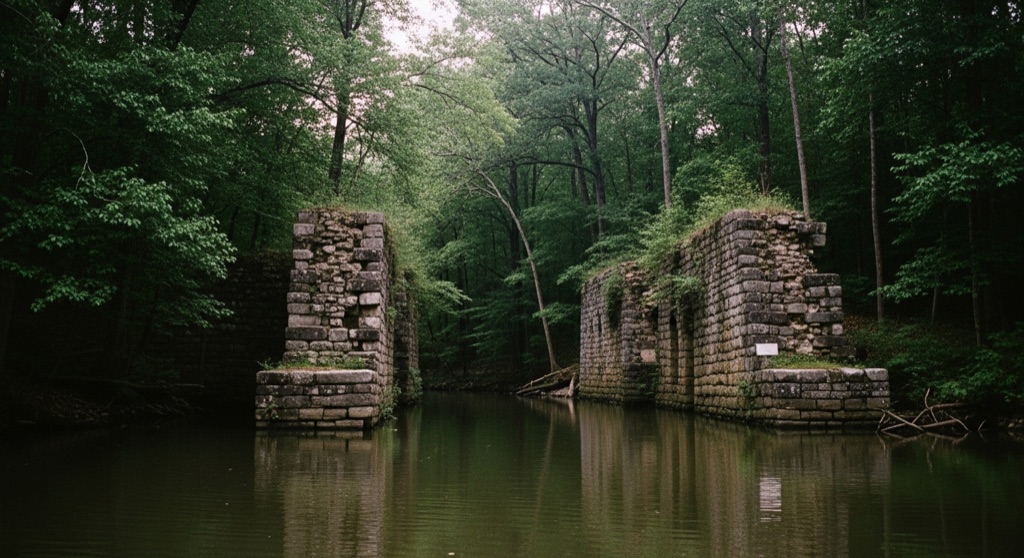
- Cooke's Mill (ruins) — Head 21 miles south into Virginia to trace another set of late 18th-century canal and gristmill foundations along Goose Creek.
- Seneca Mill and Quarry Ruins — Follow the Potomac drainage downstream to explore red sandstone quarry ruins that provided the stone for 19th-century canal infrastructure.
More weird in Washington, D.C.
Good to know
Where are the pulp mill ruins located?
They sit on Virginius Island within Harpers Ferry National Historical Park, reachable along the Virginius Island Loop Trail.
How long does it take to drive there from DC?
Harpers Ferry is roughly a two-hour drive from Washington, DC, depending on traffic along US-340.
Is visiting the ruins legal?
Yes. The site is fully integrated into the national park trail system and open to the public during normal park hours.
Why did the factory close?
The mill became unprofitable and shuttered in 1935; the catastrophic Potomac-Shenandoah flood wiped out the remaining buildings just a year later in 1936.
Plan a visit & invite your people →
Further reading: nps.gov · Only In Your State · liveandlethike.com · worldatlas.com
last checked: 2026-07-20