Entry No. 76 — the New York City file — filed under: mines
Ringwood Iron Plant Mine
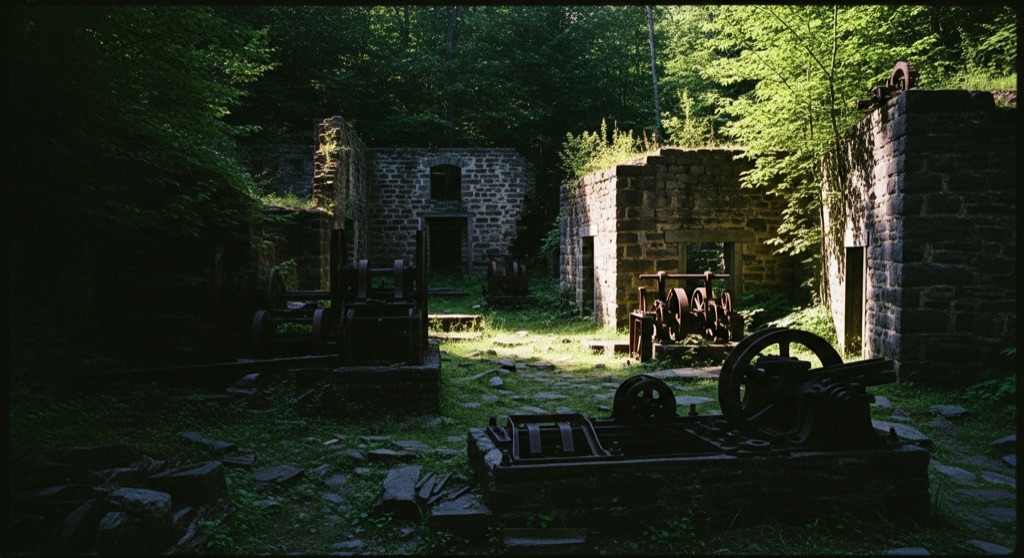
Dating back to the 1700s, this historic 500-acre iron mining district once supplied raw materials for the American Revolution before closing in 1931. In the late 1960s and 1970s, the Ford Motor Company used the abandoned mine shafts to dump millions of gallons of toxic paint sludge and industrial waste. Today, the heavily contaminated site remains a notorious EPA Superfund area plagued by toxic soil, polluted groundwater, and dangerous sinkholes.
→ Three more abandoned & forgotten places in New York City — never the same twice
The story
Long before it became an environmental crime scene, this 500-acre district was critical infrastructure for a revolutionary war. Iron mining in Ringwood began in the 1700s, pulling ore from the northern New Jersey hills to forge iron for colonial forces. For nearly two centuries, miners hollowed out the earth beneath Passaic County until operations finally ground to a permanent halt in 1931.
The true nightmare began in the late 1960s. Rather than paying for proper chemical waste disposal, the Ford Motor Company used the abandoned mine shafts as a convenient dump, pouring millions of gallons of toxic paint sludge and industrial refuse directly into the ground through the 1970s. The sludge saturated the soil, seeped deep into the regional groundwater, and fouled the ancestral lands around the site.
Today, the area is one of the most infamous EPA Superfund sites in the region. Decades of cleanup mandates and state lawsuits later, the ground remains heavily contaminated with chemical waste, while the hollowed-out shafts beneath continue to collapse, opening up sudden sinkholes across the ruined landscape.
What it's like
Do not attempt to hike or urban-explore this property. Ringwood Mines is an active EPA Superfund cleanup zone where warning signs and remediation fences mark off hazardous soil, toxic groundwater, and unstable ground prone to sudden sinkhole collapses. If you want to see the region's iron history without chemical exposure or falling into an abandoned shaft, skip this site entirely and visit the safe, preserved historical ruins nearby at Long Pond Ironworks State Park or Ringwood Manor.
The move: Avoid this hazardous area entirely and instead visit the nearby, safe historic ruins of Long Pond Ironworks State Park or Ringwood Manor to learn about the region's iron-mining history.
📍 Before you go The site is an active EPA Superfund cleanup zone with severe chemical contamination, toxic groundwater, and a high risk of sudden sinkholes opening up over the abandoned mine shafts.
- 📍 Ringwood
- 💸 Free
- ⚡ Low-key
- 🌗 Outdoors
Where: Ringwood Iron Plant Mine, Ringwood, NJ 07456, USA
Hours: Added 2026-07-20 — confirm current access before you go.
Pair it with
- Boston Mine — Swap a hazardous Superfund area for a safe, open-air 19th-century iron mine cut hidden inside nearby Harriman State Park.
- Pine Meadow Lake Pump House Ruins — Trade toxic industrial runoff for a rewarding woodland hike to 1930s CCC stone ruins.
- Warwick Drive-In Theatre — Wash off the dark history of industrial contamination with a classic double feature under the stars just over the state line.
More weird in New York City
Good to know
Is it safe to visit the Ringwood Iron Plant Mine site?
No. The area is a hazardous EPA Superfund site plagued by toxic chemical contamination in the soil and groundwater, along with high risks of sudden sinkholes opening over old mine shafts.
Why is the site contaminated?
During the late 1960s and 1970s, Ford Motor Company dumped millions of gallons of toxic paint sludge and industrial waste directly into the abandoned 18th-century mine shafts.
Where can I safely explore local iron-mining history instead?
Head to nearby Long Pond Ironworks State Park or Ringwood Manor, where historic furnace ruins and mining heritage are safely preserved for the public.
Is the site still being cleaned up?
Yes. The area remains under active EPA Superfund oversight, subject to ongoing legal actions, groundwater remediation, and toxic soil cleanup efforts.
Plan a visit & invite your people →
Further reading: Wikipedia · justice.gov · sciencefriday.com · njspotlightnews.org
last checked: 2026-07-20