Entry No. 28 — the Monterey file — filed under: house museum
Robert Louis Stevenson House
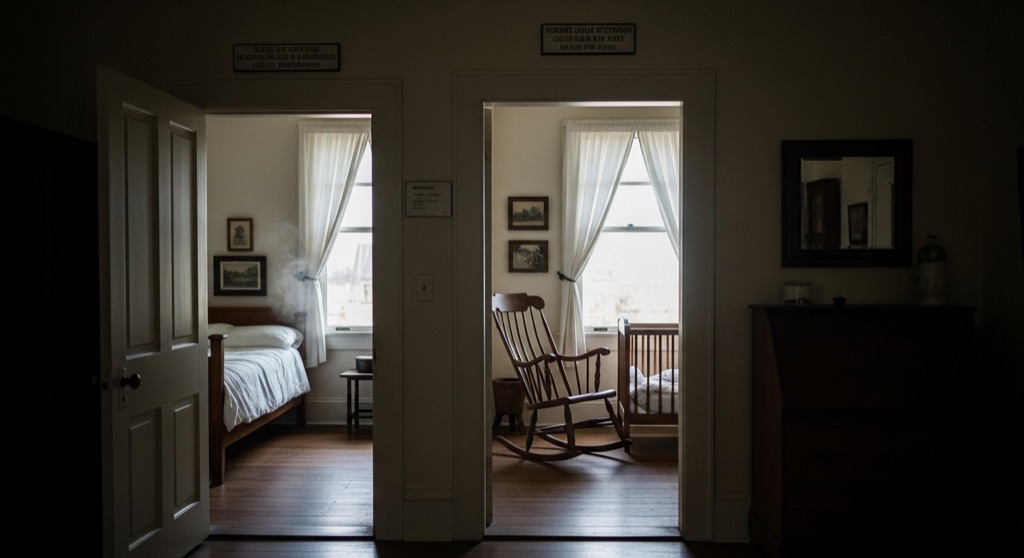
In this 1830s boarding house, proprietor Manuela Girardin nursed her husband through the typhoid that killed him in 1879, then her two grandchildren fell sick, and while caring for them she caught the fever herself and died on December 21, 1879 — the grandchildren lived. Docents and visitors still report the nursery rocking chair moving on its own and a phantom whiff of carbolic acid, the disinfectant of the era.
→ Three more unusual museums & collections in Monterey — never the same twice
The story
In the autumn of 1879, Robert Louis Stevenson was not yet a famous novelist. He was a hacking, penniless Scottish writer squatting in a rented room of a two-story 1830s Mexican-era adobe—then known as the French Hotel—eating his meals on credit at a nearby cafe. He had crossed an ocean and a continent to chase Fanny Osbourne, a married woman living in Monterey, waiting in near-poverty to convince her to leave her husband.
While Stevenson was writing in his room, boarding house proprietor Manuela Girardin was fighting a losing battle against disease in the same building. Typhoid swept through the household in 1879. Girardin nursed her husband until the fever took him, only to have her two young grandchildren fall ill immediately after. She tended the kids, caught the fever herself, and died on December 21, 1879. The grandchildren lived, but the house never entirely cleared out.
Today, the building is a National Historic Landmark, but the real reason to step inside isn't just literary nostalgia. Docents and visitors still report two specific glitches in the atmosphere: a nursery rocking chair that sways without a draft, and sudden, sharp whiffs of carbolic acid—the volatile 19th-century disinfectant Girardin used to scrub down the sickroom.
What it's like
Tucked on Houston Street in Old Town, the house looks like a typical Spanish Colonial adobe from the sidewalk. Inside, the walkthrough takes you through quiet, period-furnished rooms that feel caught in a freeze-frame of 1879. It is low-tech, slightly dusty, and usually quiet. Head to the nursery, stand near the threshold, and give it a minute—look at the chair and see if you catch the faint chemical scent of vintage antiseptic. The catch: opening hours are notoriously erratic and depend heavily on state park staffing, so call or check status online before making the trip.
The move: Take the docent walkthrough of the rooms Robert Louis Stevenson rented in 1879 while broke and dining 'on the cuff' at a nearby cafe, waiting to reunite with Fanny Osbourne, then check the nursery for the chair before you leave.
- 📍 Old Town Monterey
- 💸 $$
- ⚡ Up for anything
- 🌗 Indoors
Where: 530 Houston St, Monterey, CA 93940
Hours: Added 2026-07-20 — confirm current hours before you go.
⚠ Seasonal or scheduled — always check before you go.
Pair it with
- Stokes Adobe Restaurant & Bar (formerly Restaurant 1833) — Pair one 1830s adobe touched by 19th-century medical tragedy with another just a two-minute walk away, where you can grab a drink inside a former doctor's residence.
- Colton Hall — Walk two blocks west to contrast Stevenson's austere rented room with the solid granite hall where California's constitution was drafted in 1849.
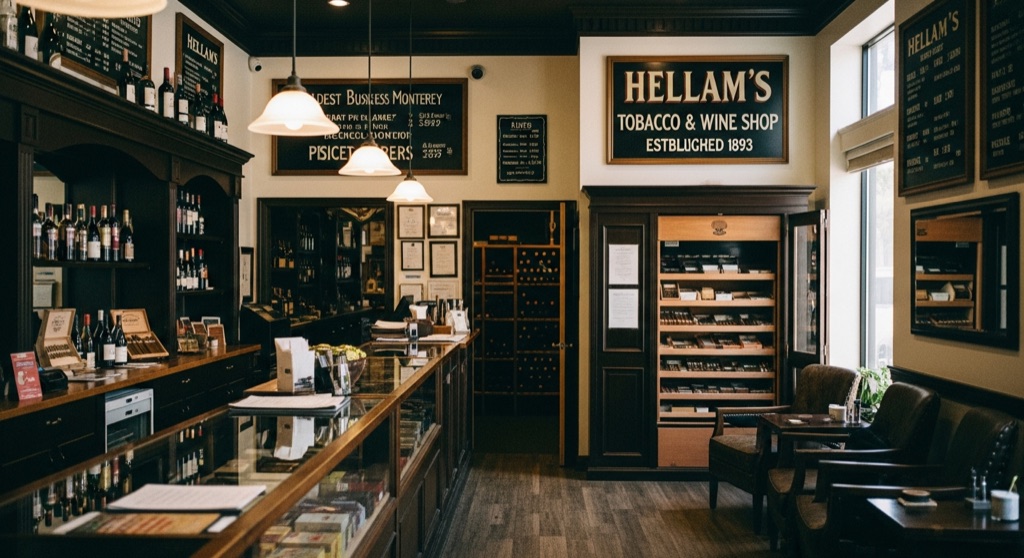
- Hellam's Tobacco & Wine Shop — Head around the corner to Monterey's oldest continuously operating business (1893) for a glass of wine in a space that echoes the town's old bohemian era.
More weird in Monterey
Good to know
Why was Robert Louis Stevenson staying in this Monterey boarding house?
In 1879, long before publishing Treasure Island, a 28-year-old Stevenson came to California broke and in poor health to pursue Fanny Osbourne, a married woman he met in France. He rented a room in this adobe—then called the French Hotel—and ate on credit.
What is the history behind the nursery haunting?
In late 1879, landlady Manuela Girardin nursed her husband through typhoid until he died, then tended her sick grandchildren. She caught the fever and died on December 21, 1879. Visitors and docents frequently report a nursery rocking chair moving on its own and a phantom smell of carbolic acid, the standard disinfectant of the period.
Is the house open to the public daily?
No. Operating hours are managed by California State Parks and can be extremely limited or seasonal. Always verify current walkthrough schedules before heading to Houston Street.
Plan a visit & invite your people →
Further reading: Wikipedia · hauntedplaces.org · rewritingcalifornia.com
last checked: 2026-07-20