Entry No. 96 — the Durango file — filed under: historic mine
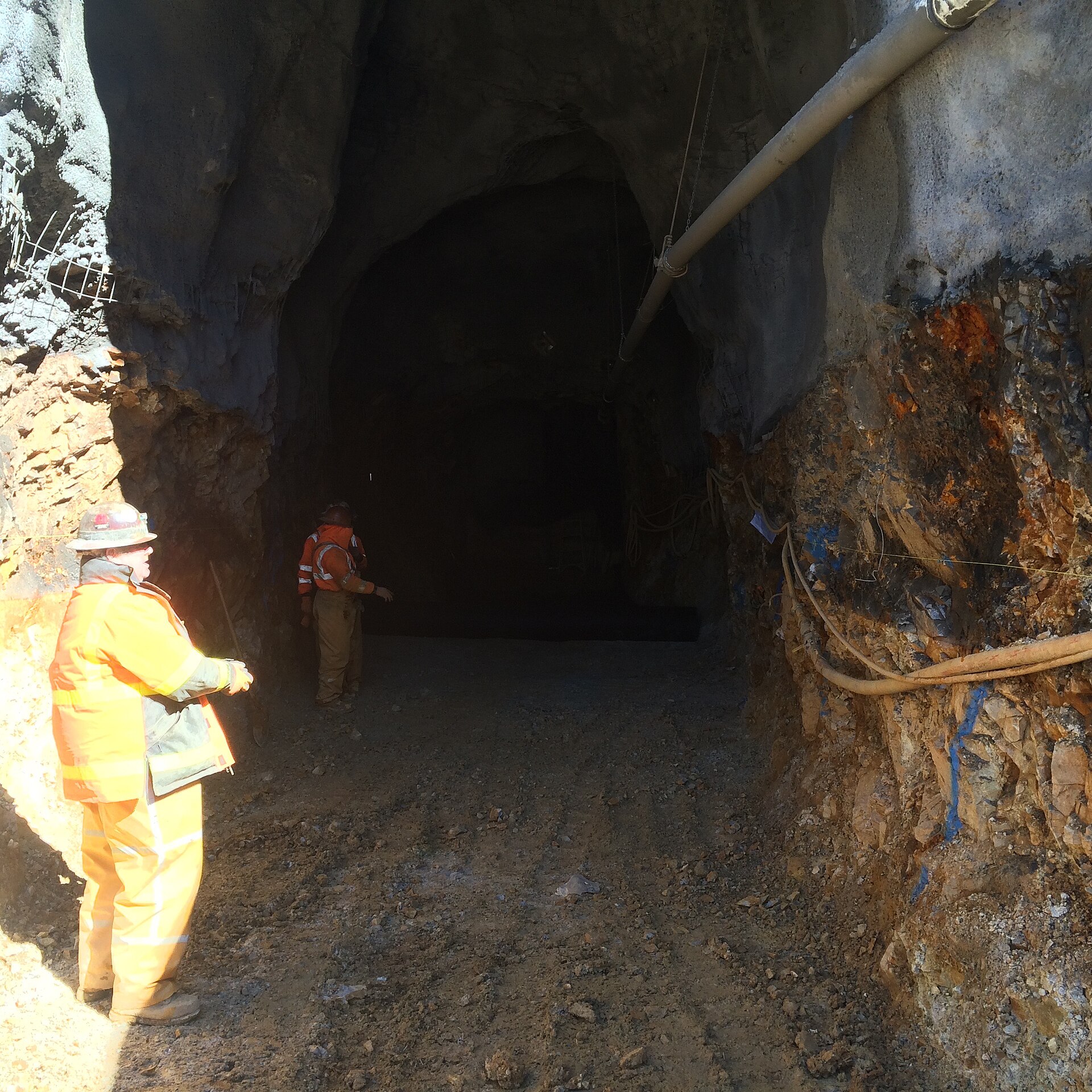
Gold King Mine
Discovered in 1887 near Silverton, Colorado, the Gold King Mine was a major producer of gold and silver ore before closing in the early 1920s. The site gained international notoriety in August 2015 when an EPA-contracted crew accidentally breached a collapsed portal, releasing three million gallons of toxic, orange-colored wastewater into Cement Creek and the Animas River. Today, the mine remains inactive and is part of the Bonita Peak Mining District Superfund site, where ongoing water treatment and environmental monitoring take place.
→ Three more abandoned & forgotten places in Durango — never the same twice
The story
Discovered high above Silverton in 1887, the Gold King Mine spent decades chewing through the San Juan Mountains, pulling out gold and silver ore until the shafts fell silent in the early 1920s. When the miners walked away, they left behind thousands of feet of subterranean tunnels that quietly filled with millions of gallons of water, cooking up a highly acidic, heavy-metal soup in the dark.
In August 2015, an EPA-contracted crew attempted to treat gentle seepage at a collapsed portal near Cement Creek. Instead, their excavator breached the natural plug holding back the pressure, unleashing three million gallons of neon-orange sludge into Cement Creek and the Animas River. The plume turned the Animas bright mustard yellow, shutting down municipal water intakes, farms, and raft outfitters all the way down through Durango and into Navajo Nation land.
You won't find a visitor center or a gift shop here. Today, the mine sits inside the Bonita Peak Mining District Superfund site, where federal agencies run an active water treatment plant in the basin to neutralize ongoing drainage. It is less a piece of dusty frontier nostalgia and more a modern containment site built over a 19th-century environmental wound.
What it's like
Do not attempt to hike up to the portal or cross the perimeter fence; the mine sits on private property inside an actively monitored Superfund zone full of physical and chemical hazards. Instead, take County Road 110 north out of Silverton up toward the Gladstone area. You can observe the stark, gulch-carved landscape of the historic mining district from public turnouts along the road, then head down into Durango to walk along an Animas River that ran neon orange a decade ago.
The move: Take a scenic drive along County Road 110 north of Silverton to view the rugged San Juan Mountains and the historic mining district from a safe distance, then enjoy a walk along the Animas River in town.
📍 Before you go The mine is private property, a designated EPA Superfund site, and actively monitored and restricted due to severe environmental and physical hazards.
- 📍 Gold King Mine
- 💸 Free
- ⚡ Low-key
- 🌗 Outdoors
Where: Gold King Mine, Colorado 81435, USA
Hours: Added 2026-07-20 — confirm current access before you go.
Pair it with
- San Bernardo Mine — A fellow 1880s gold and silver producer on mountain slopes nearby, showing the massive footprint of the region's historic mining push.
- Alta Ghost Town — Perched at 11,800 feet, these timbered ghost town ruins show the extreme high-altitude conditions San Juan miners endured during the same late-19th-century boom.
- Ophir Town & Post Office — A surviving 1880s mining settlement in a narrow alpine gulch, showing what happens when a high-country boomtown never completely disappears.
- Lone Tree Cemetery — The historic graveyard overlooking Telluride where thousands of 19th-century mountain residents and hardrock miners were laid to rest.
More weird in Durango
Good to know
Can you tour the Gold King Mine site?
No. The site is private property, restricted, and actively monitored by environmental authorities due to severe physical hazards and ongoing Superfund operations.
What caused the 2015 spill?
On August 5, 2015, an EPA-contracted team working to manage mine drainage accidentally breached a debris dam inside a collapsed tunnel portal, releasing three million gallons of toxic wastewater.
How can you see the area safely?
Drive County Road 110 north of Silverton into the surrounding San Juan high country to view the rugged district from safe roadside pullouts.
Is the Animas River still orange?
No. The bright orange plume washed downstream within weeks of the 2015 spill, though long-term water treatment and monitoring continue upstream at the mine source.
Plan a visit & invite your people →
Further reading: Wikipedia · coloradoencyclopedia.org · epa.gov · coloradosun.com
last checked: 2026-07-20