Entry No. 33 — the Durango file — filed under: history
Lone Tree Cemetery
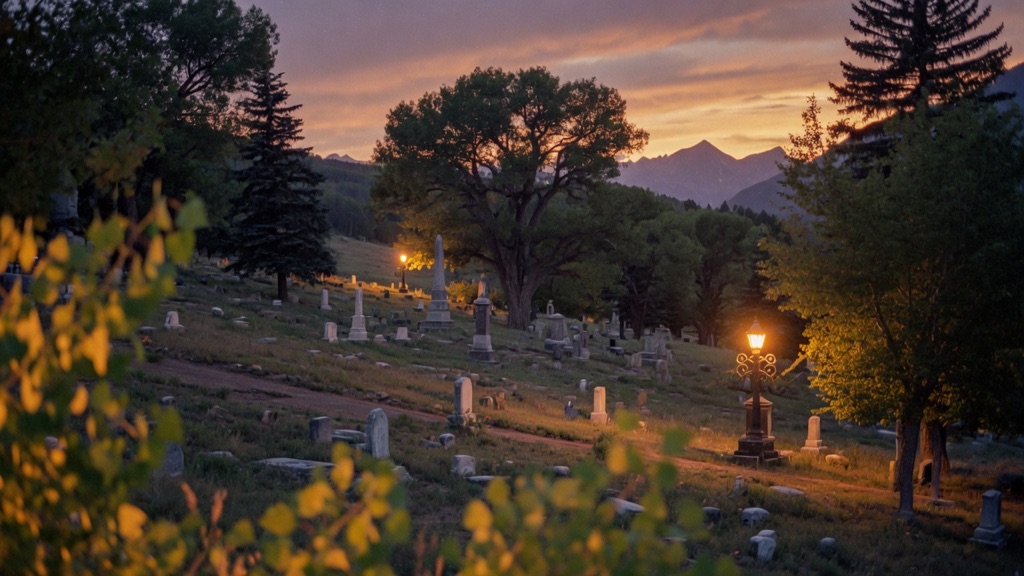
Perched at nearly 9,000 feet on the east end of Telluride, Lone Tree Cemetery was dedicated in 1887 when the mining boom was at full roar. More than 2,000 people are buried here — many without headstones — representing over 21 nations, a testament to the immigrant labor that dug out the silver and gold. Graves hold a remarkable cross-section of frontier life: Finnish labor martyr John Bartell, killed at the Smuggler-Union Mine in 1901 and now a symbol of the workers' rights struggle; Lizzie Dailey of the Red Light District, buried on the "respectable" side of town; and the Remine brothers, who fought on opposite sides of the Civil War then somehow ended up neighbors in death on the same Colorado hillside.
→ Three more haunted places & dark-history spots in Durango — never the same twice
The story
High on the eastern lip of the canyon at nearly 9,000 feet, Lone Tree Cemetery was dedicated in 1887 when Telluride's silver boom was consuming labor at a relentless pace. More than 2,000 people are buried along these terraced hillside plots, though a staggering number lie in unmarked dirt—their original wooden grave markers having rotted away generations ago. The surviving headstones record names from over 21 nations, reflecting the global immigrant workforce that dug the hard rock under the San Juans.
The graves offer a raw inventory of high-altitude frontier survival and conflict. You'll find John Bartell, a Finnish labor activist shot dead during the violent 1901 Smuggler-Union Mine strike, whose marker remains a focal point for Colorado working-class history. A short walk away lies Lizzie Dailey, a prominent figure from Telluride's red-light district who managed to secure a burial plot on the 'respectable' side of town—you didn't hear it from us, but social taboos in mining towns always proved flexible if the money was right. Nearby rest the Remine brothers, two soldiers who fought on opposing sides of the Civil War, survived the war, and somehow ended up side-by-side in death on the same mountain slope.
What it's like
Visiting is understated and self-guided with no gatekeepers or admission fees—you simply enter through the main gate on East Colorado Avenue or the secondary entrance on Columbia Avenue. You'll navigate a grassy, uneven slope of weathered Victorian markers, granite blocks, and sinking plots framed by dramatic rock walls. The best move is to arrive during golden hour, when the setting sun projects alpenglow onto the high San Juan peaks directly behind the headstones. Just track the shade line carefully: once the sun drops behind the box canyon walls at 9,000 feet, the temperature dives immediately, making heavy layers necessary even on warm summer evenings.
The move: Walk the rows at golden hour when the San Juan peaks catch alpenglow behind the headstones. Read the inscriptions aloud to each other — each stone opens a conversation about luck, labor, and who gets remembered. Eerie and quietly romantic.
📍 Before you go The cemetery is open seasonally May through October, sunrise to sunset — it is closed in winter. No admission fee for self-guided visits. The Telluride Historical Museum offers guided tours (around $15, pre-registration required) that bring the residents to life; check telluridemuseum.org for the schedule. Telluride is about 2 to 2.5 hours from Durango via CO-145 over Lizard Head Pass. Wear layers — at 9,000 feet the temperature drops fast once the sun dips behind the box canyon walls.
- 📍 Telluride
- 💸 $$
- ⚡ Up for anything
- 🌗 Indoors
Where: 1015 E. Colorado Ave., Telluride, CO 81435 (east end of town; also accessible via the Columbia Avenue gate)
Hours: Added 2026-06-11 — confirm current hours before you go.
⚠ Seasonal or scheduled — always check before you go.
Pair it with
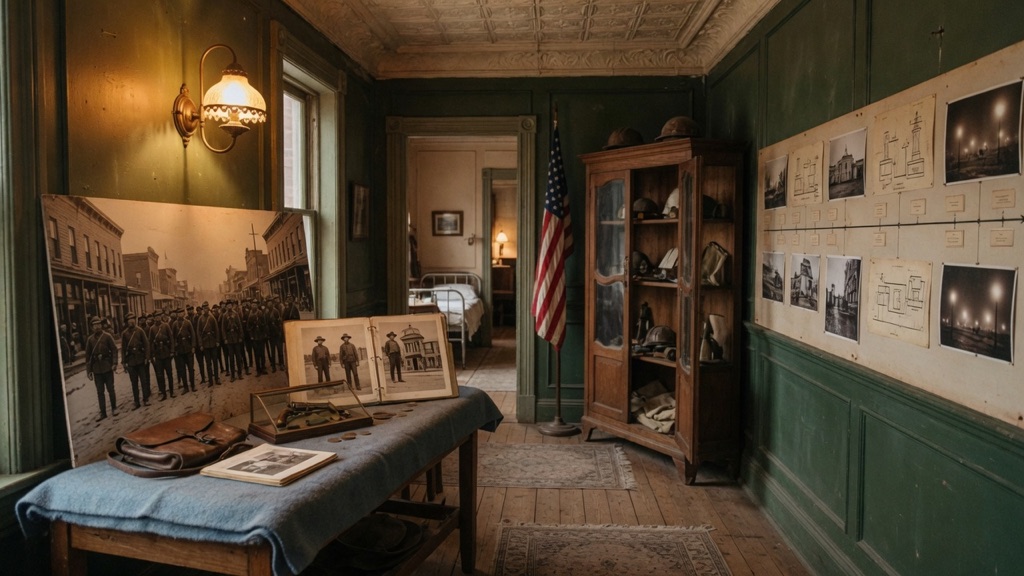
- Telluride Historical Museum — The museum operates the official cemetery tours and stores original mine equipment from the sites where Lone Tree's residents worked.
- Telluride Free Box — Walk down Colorado Avenue after visiting the graves to check out Telluride's long-running communal giveaway site.
- Wood Ear Whiskey Lounge & Noodle Bar — Head to this basement bar built around an 1880s walnut counter that was serving drinks during the height of Lone Tree's burials.
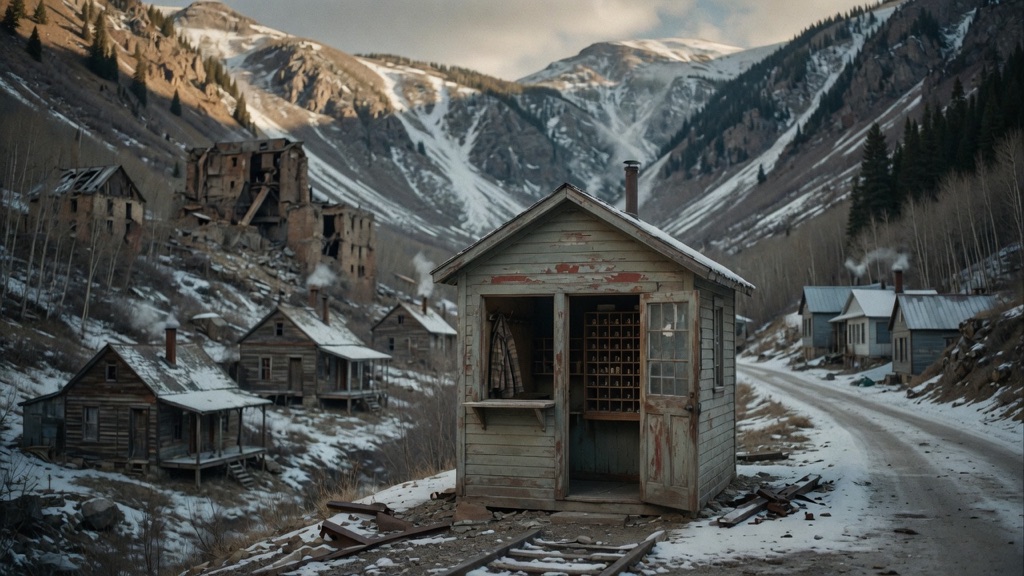
- Alta Ghost Town — Drive south out of town to explore the high-altitude mining camp that sent silver down to Telluride during the same era.
More weird in Durango
Good to know
When is Lone Tree Cemetery open?
It is open seasonally from May through October, sunrise to sunset. Heavy snow keeps the cemetery closed throughout the winter months.
Are guided tours available?
Yes. While self-guided walks are free, the Telluride Historical Museum leads official walking tours for around $15 per person. Advance registration at telluridemuseum.org is required.
How do you get to the cemetery from Durango?
Drive roughly 2 to 2.5 hours north from Durango via CO-145, crossing Lizard Head Pass before dropping into Telluride at the far east end of Colorado Avenue.
Plan a visit & invite your people →
Further reading: Official site · telluridenews.com · telluride.com · billiongraves.com
last checked: 2026-06-11