Entry No. 8 — the Boston file — filed under: walk-through installation
The Mapparium
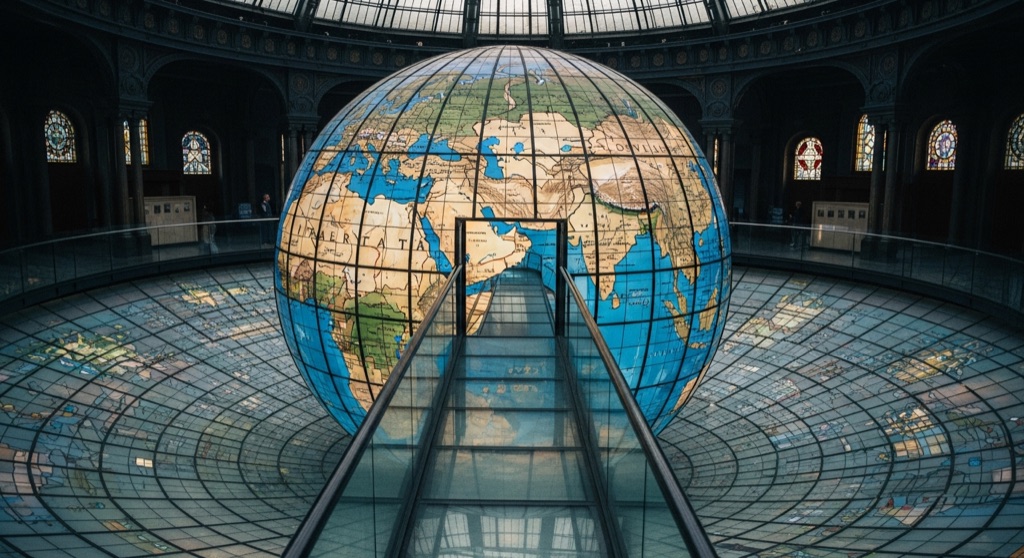
A three-story stained-glass globe of the world built in 1935, viewed from the inside: you cross a 30-foot glass bridge through the exact center of the Earth, equidistant from every point on the map. It's a whispering gallery too — the concave glass surface bounces sound so precisely that a whisper from one end of the bridge arrives clearly at the other, and standing dead-center gets you surround-sound of your own voice. The map itself is frozen in 1935 geopolitics — Italian East Africa, the Soviet Union — because the church that owns it decided the obsolete borders were more valuable as artifact than as accurate.
→ Three at a time, never the same twice — explore weird Boston
The story
In 1930, Boston architect Chester Lindsay Churchill proposed a strange addition to the new Christian Science Publishing Society headquarters: a three-story, walk-in sphere of stained glass. Inspired by a spinning newspaper lobby globe in New York, Churchill spent $52,000—a fortune during the Great Depression—to import 608 English glass panels, which were painted and fired in New York kilns using Rand McNally map lines. When it opened on June 1, 1935, visitors walked out onto a 30-foot glass bridge suspended through the exact center of the Earth, viewing the planet from the inside out without flat-map distortion.
Churchill originally built the sphere with modular metal frames, assuming church officials would swap out individual panels as nations redrew their boundaries. Then world history unspooled. The church leadership debated updating the map in 1939, 1958, and 1966, but ultimately decided to freeze geopolitics in 1935—leaving long-extinct entities like Italian East Africa, Siam, and the Soviet Union locked in glass forever. The room's unsettling acoustic behavior was an unplanned side effect of spherical geometry: hard, concave glass reflects sound waves instead of absorbing them, turning the globe into an acoustic trap where a whisper spoken into the glass at one end of the bridge arrives clearly at the other, and standing dead-center amplifies your own voice directly into your skull.
What it's like
You enter the stone lobby on Mass Ave, buy a $6 ticket, and get ushered into the sphere with a small group. The vibe inside the illuminated glass sphere feels like stepping straight into a 1930s pulp sci-fi set, but keep your phone away—staff strictly forbid photos and video inside the globe. You only get about seven to ten minutes on the bridge during the light-and-sound presentation, so test the whispering gallery trick with a companion at opposite ends of the span as soon as you step inside.
The move: Stand at opposite ends of the 30-foot bridge and have a whispered conversation through the curved glass, then meet in the dead center and talk normally to hear your own voices boom back in surround sound.
- 📍 Back Bay, Boston
- 💸 $$
- ⚡ Up for anything
- 🌗 Indoors
Where: 210 Massachusetts Avenue, Boston, MA 02115
Hours: Added 2026-07-20 — confirm current hours before you go.
Pair it with
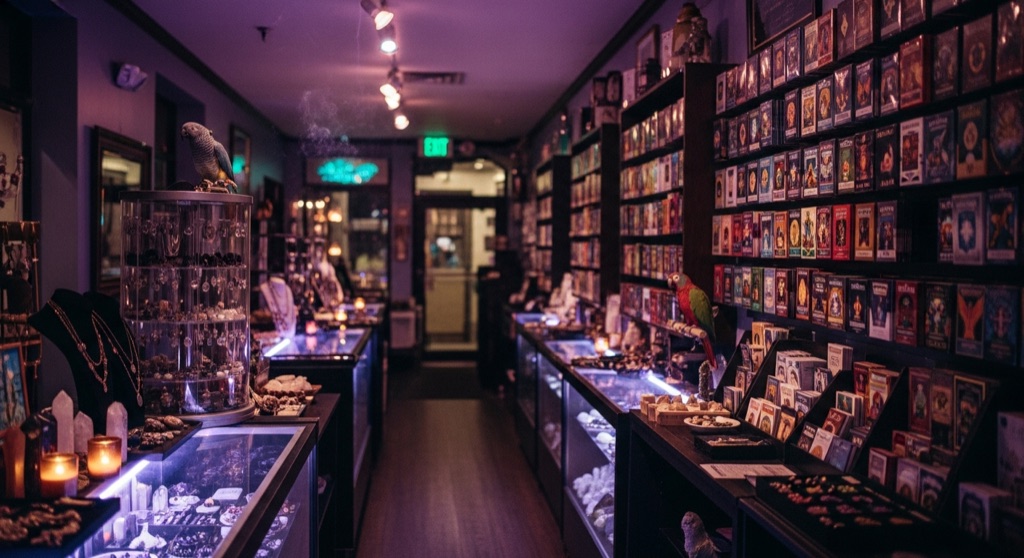
- Hecate — Walk three-tenths of a mile up Mass Ave after your tour to slip into a subterranean, witchcraft-themed cocktail den hidden beneath Krasi.
- Ether Monument — Head one mile northeast to the Public Garden to inspect a Victorian fountain built to commemorate the world's first public demonstration of surgical ether.
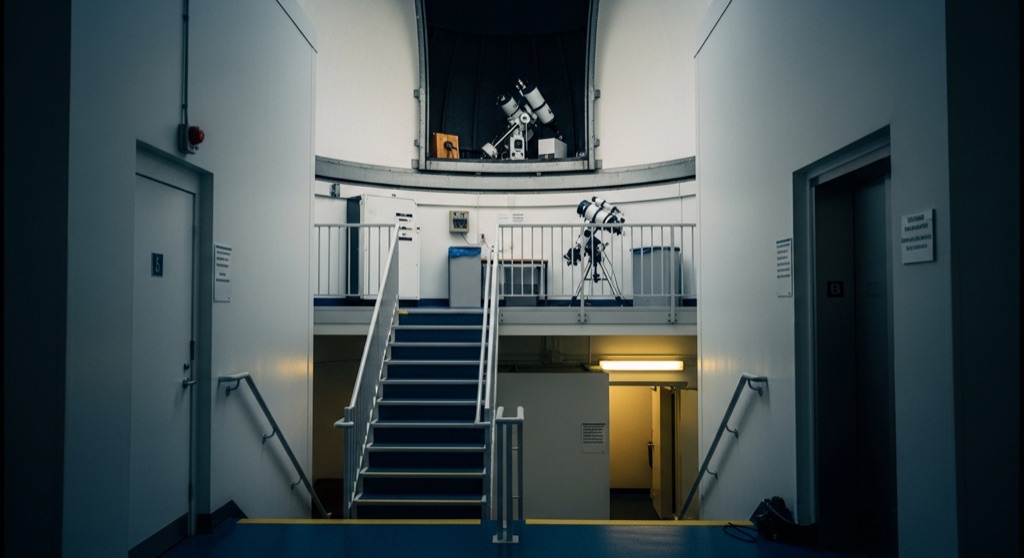
- Judson B. Coit Observatory (Boston University Public Open Nights) — Follow up an inside-out glass view of Earth with a real look at the night sky from Boston University's teaching observatory roof, just over a mile away.
- Warren Anatomical Museum — Match a 1930s geopolitical glass artifact with 19th-century medical oddities on the upper library floor of Harvard Medical School in Longwood.
More weird in Boston
Good to know
Why was the map never updated as borders changed?
Although architect Chester Lindsay Churchill designed the glass panels to be replaceable, church leadership formally reviewed updating the map in 1939, 1958, and 1966 before deciding to leave it intact as a preserved 1935 geopolitical time capsule.
How does the whispering gallery effect work?
Because the concave glass surface reflects sound waves without absorbing them, a whisper directed against the glass bounces along the sphere's curvature to a listener 30 feet away at the opposite end of the bridge, while standing dead-center bounces your own voice back at you in 360-degree surround sound.
Can you take photos or videos inside the Mapparium?
No. Photography, flash, and video recording are strictly prohibited inside the glass globe itself.
How long is the visit and how much does it cost?
Adult admission is $6 (youth 17 and under enter free), and the automated audio-visual presentation inside the glass globe lasts roughly 7 to 10 minutes.
Plan a visit & invite your people →
Further reading: marybakereddylibrary.org · Wikipedia
last checked: 2026-07-20