Entry No. 19 — the Boston file — filed under: cemetery
Central Burying Ground
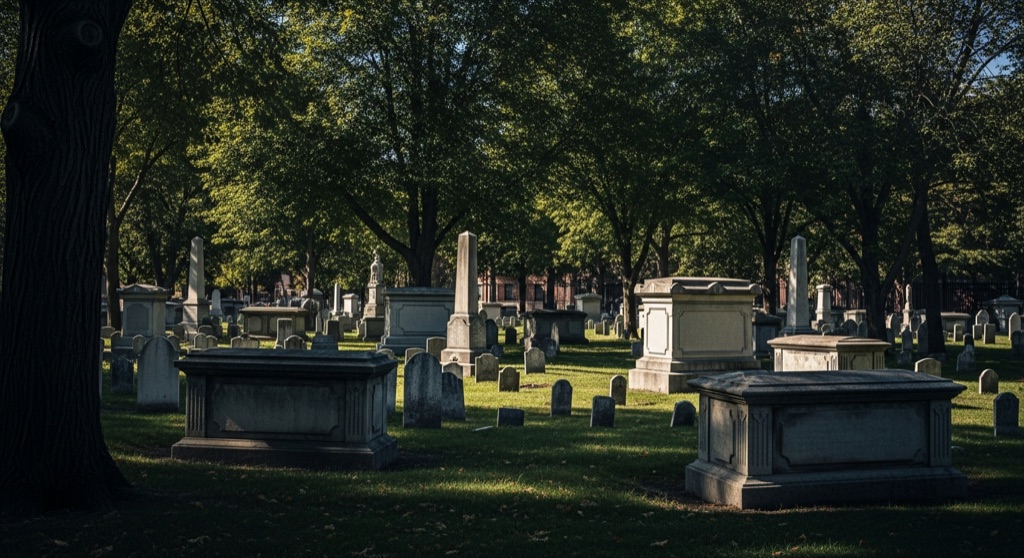
Established in 1756 to relieve overcrowding at Boston's other graveyards, this cemetery holds painter Gilbert Stuart in an unmarked grave — and a mass grave in its northwest corner built in 1895 after subway workers digging the Tremont Street tunnel under Boylston Street unearthed hundreds of forgotten coffins and had to rebury the remains on site.
→ Three at a time, never the same twice — explore weird Boston
The story
In 1756, Boston established a new burial ground on the southern edge of the Common—far from the market center on land bought from Andrew Oliver, Jr.—because King’s Chapel and Granary were overflowing. Considered the least desirable graveyard in town, it became a dumping ground for those without social clout: almshouse paupers, foreign sailors who drowned in the harbor, free and enslaved Black residents, British redcoats, and casualties from Bunker Hill. Even painter Gilbert Stuart, whose portrait of George Washington graces the dollar bill, was buried here in an unmarked grave in 1828 because his family was destitute.
City planners treated the site with minimal reverence. In 1836, Mayor Armstrong sliced off a corner of the graveyard to connect Boylston Street to Tremont Street, disturbing a line of tombs and shifting the displaced bones into an above-ground tomb structure on the western wall known as "The Dell." But the bigger desecration came in 1895, when workers digging the Tremont Street subway tunnel under the Boylston Street Mall smashed directly into forgotten coffins and buried remains along the edge of the Common.
Rather than track down generations of descendants, transit authority workers gathered hundreds of exhumed human remains and reburied them on-site in a single mass grave in the cemetery's northwest corner. A plain slate tablet marks the spot today with a dry, bureaucratic inscription: "Here were interred the remains of persons found under the Boylston St. Mall during the digging of the subway, 1895." The Freedom Trail tourists skip right past it, which is precisely why you should look for it.
What it's like
Tucked along Boylston Street on the quieter, shade-dappled edge of Boston Common, Central Burying Ground feels completely detached from the crowded downtown thoroughfares surrounding it. The heavy iron gates are frequently latched, but you can push them open to walk the paths. Head straight to the northwest corner along the tree line to locate the ground-level slate marker for the 1895 subway mass grave, then look among the historic slate headstones for rare Celtic cross carvings—a detail marking some of Boston's earliest Irish Catholic burials. It is quiet, self-guided, free, and uncrowded, though you should mind the uneven turf and confirm posted gate hours before heading over.
The move: Cut across the Common to the burying ground on Boylston Street and find the small marker explaining the 1895 subway dig — then try to guess which unmarked plot holds Gilbert Stuart, the man who painted the portrait of Washington that's on the dollar bill.
- 📍 Boston Common
- 💸 $$
- ⚡ Up for anything
- 🌗 Indoors
Where: Boylston Street, Boston Common, Boston, MA 02116
Hours: Added 2026-07-20 — confirm current hours before you go.
Pair it with
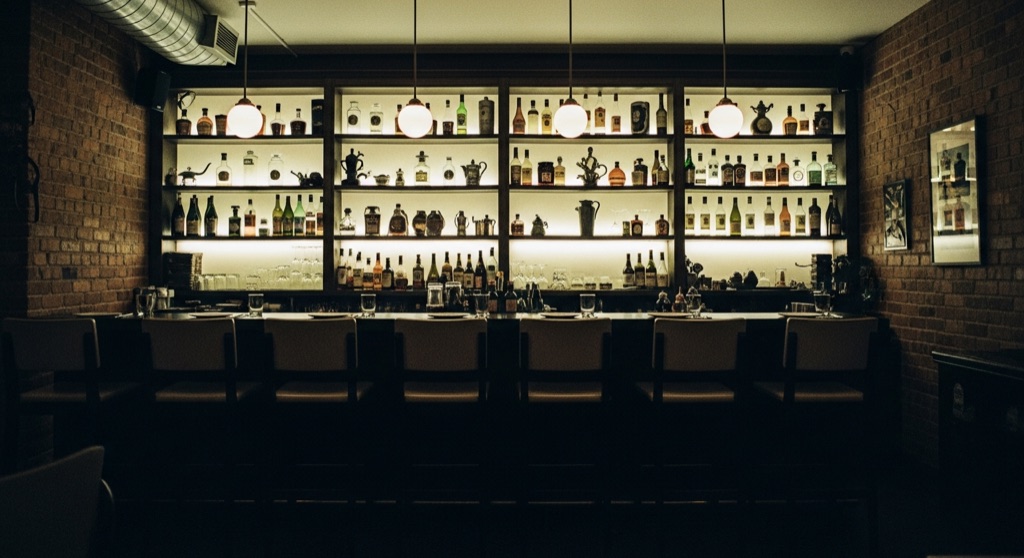
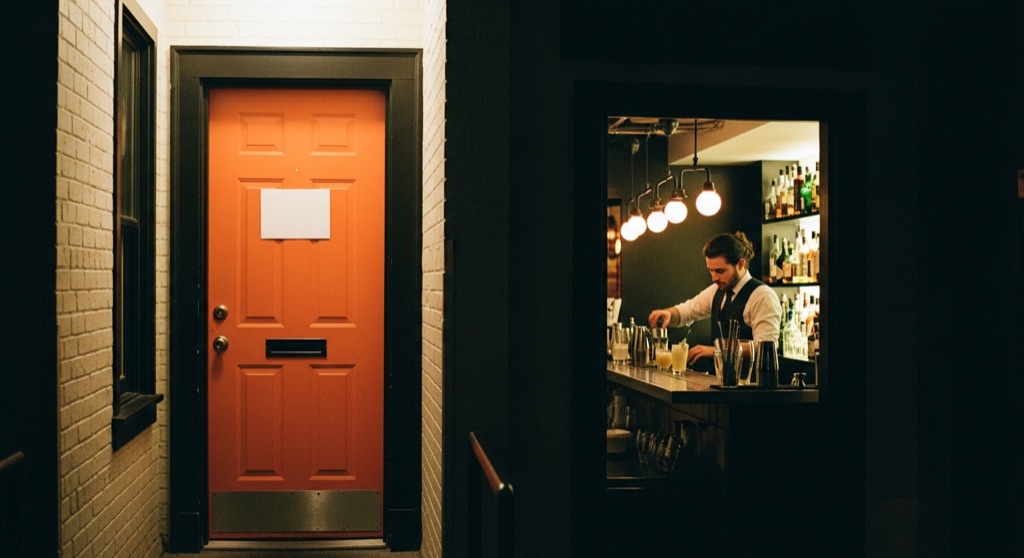
- The Wig Shop Lounge — Walk two blocks down Boylston Street to grab a drink behind a fake wig shop storefront after visiting the subway mass grave.
- Ether Monument — Stroll three blocks west into the Public Garden to see the Victorian fountain honoring the discovery of surgical anesthesia.
- Boston Athenaeum — the skin-bound book — Combine Boston's most neglected historic graveyard with a private Beacon Hill vault housing a 19th-century memoir bound in human skin.
- The Ether Dome — Head north to MGH to tour the 1821 surgical amphitheater where public anesthesia was demonstrated decades before subway diggers hit forgotten coffins.
More weird in Boston

Good to know
Who is buried in the mass grave in the northwest corner?
The mass grave contains the reinterred remains of roughly 900 people whose coffins were disturbed along the Boylston Street Mall in 1895 during the excavation of North America's first subway tunnel.
Where is Gilbert Stuart's grave located?
Gilbert Stuart is buried in an unmarked plot near the central area because his family could not afford a headstone when he died in 1828; a plaque mounted on the cemetery wall acknowledges his presence.
Is Central Burying Ground open to the public?
Yes, it is a city-owned public cemetery on Boston Common, accessible via gates along Boylston Street, though visitors should check posted hours at the entrance.
Why was this considered Boston's least desirable cemetery in the 18th century?
When established in 1756, it sat on the far outer rim of Boston Common away from the town center, making it the default burial site for indigents, strangers, and unrepresented groups.
Plan a visit & invite your people →
Further reading: boston.gov · Wikipedia · Atlas Obscura · Reddit
last checked: 2026-07-20