
Entry No. 33 — the Boston file — filed under: cabinet of curiosities
Boston Athenaeum — the skin-bound book
Locked in the vaults of this 1807 membership library sits Narrative of the Life of James Allen, alias George Walton — the highwayman's 1837 deathbed memoir, bound, at his own written request, in a strip of skin flayed from his own back after he died in prison, with Latin tooled on the cover reading 'this book is bound in the skin of Walton.'
→ Three at a time, never the same twice — explore weird Boston
The story
In 1837, a career highwayman named James Allen lay dying of tuberculosis inside Massachusetts State Prison. Dictating his deathbed confession to the warden, he chronicled a lifetime of robberies, prison stints, and aliases. But Allen wanted a far more permanent monument than printer's ink on paper. Before he died, he left explicit written instructions that a strip of skin flayed from his back be tanned and used to bind his memoir.
The macabre volume wasn't intended for a public shelf; it was bound as a gift of respect. Years earlier, Allen had attempted to rob a traveler named John A. Fenno Jr. on the road, but Fenno fought back, disarmed the thief, and handed him over to the law. Impressed by the rare victim who stood his ground, Allen insisted that the skin-bound confession be delivered to Fenno after his death. Fenno’s daughter eventually donated the book to the Boston Athenaeum prior to 1864, where it has remained locked in special collections ever since.
At first glance, the book looks like a modest, light-gray 19th-century binding. Look closely at the cover, however, and you'll find gold Latin lettering tooled directly into the hide: 'Hic Liber Waltonis Cute Compactus Est'—'This book is bound in the skin of Walton,' referencing one of Allen's primary aliases. While claims of anthropodermic bibliopegy are often debunked as hogskin or calfskin, peptide mass fingerprinting by the Anthropodermic Book Project confirmed that this cover is genuine human skin.
What it's like
You won't spot this book lying open on a display table when you step inside 10½ Beacon Street. The Boston Athenaeum is an 1807 membership library, but buying a day pass at the front desk grants access to its twelve floors of stacks, quiet reading rooms, and the rooftop terrace overlooking Beacon Hill. The skin-bound memoir stays locked inside the special collections vault; if you want to inspect it in person, you have to email the Athenaeum's special collections staff in advance to request a dedicated appointment in the reading room.
The move: Buy first-floor day admission, explore the twelve floors of rare-book stacks and rooftop terrace, and email the Athenaeum ahead of time to request an appointment to view the skin book itself in the reading room.
- 📍 Beacon Hill, Boston
- 💸 $$
- ⚡ Up for anything
- 🌗 Indoors
Where: 10½ Beacon St, Boston, MA 02108
Hours: Added 2026-07-20 — confirm current hours before you go.
Pair it with
- The Ether Dome — Pair this 1807 library visit with a 0.4-mile walk to Massachusetts General Hospital’s 1821 surgical amphitheater to continue your tour of 19th-century medical and macabre history.
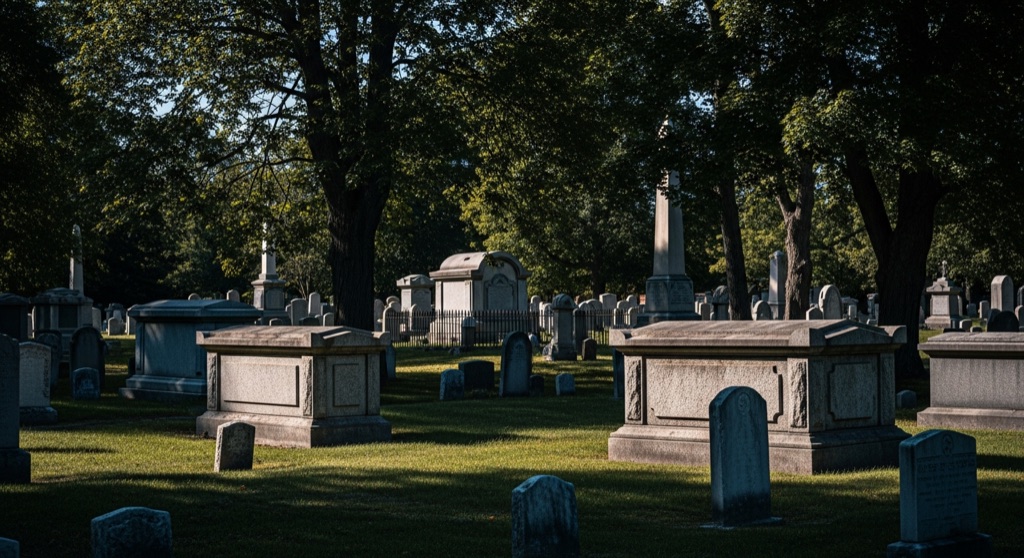
- Central Burying Ground — Walk 0.4 miles south to Boston Common to wander among 18th-century gravestones and explore the city's quiet, overlooked burial grounds.
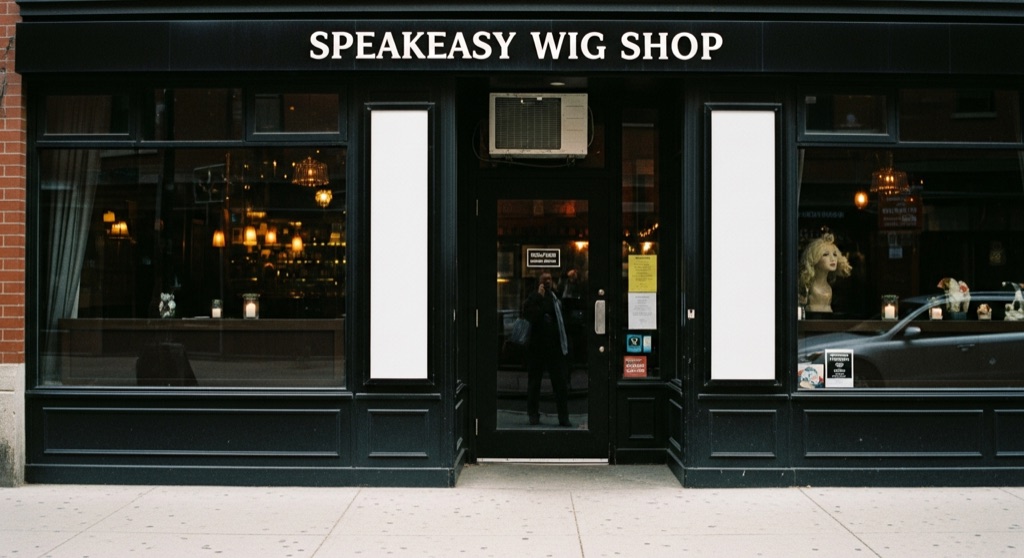
- The Wig Shop Lounge — Head two blocks downtown to step behind a disguised wig shop storefront for late-night drinks after processing Beacon Hill's darkest artifact.
More weird in Boston

Good to know
Is the skin-bound book kept on public display?
No. The volume is stored in the library’s locked vaults. Viewing the physical book requires booking an advance appointment through the Athenaeum’s special collections department.
How was the human skin binding verified?
Researchers from the Anthropodermic Book Project tested the binding using peptide mass fingerprinting (PMF), which analyzes amino acid sequences in collagen to distinguish human hide from animal leather.
Can non-members enter the Boston Athenaeum?
Yes. Non-members can purchase day admission at the entrance desk at 10½ Beacon St to access reading rooms, art exhibits, and the upper-level terrace.
Why did James Allen give the book to his robbery victim?
John A. Fenno Jr. was the only target who actively fought back and disarmed Allen on the highway. Allen admired Fenno's defiance so much that he requested his skin-bound memoir be delivered to Fenno as a token of respect.
Plan a visit & invite your people →
Further reading: Official site · Wikipedia · rarebookhub.com · Atlas Obscura
last checked: 2026-07-20