Entry No. 36 — the Santa Cruz file — filed under: ruins
Senator Mine
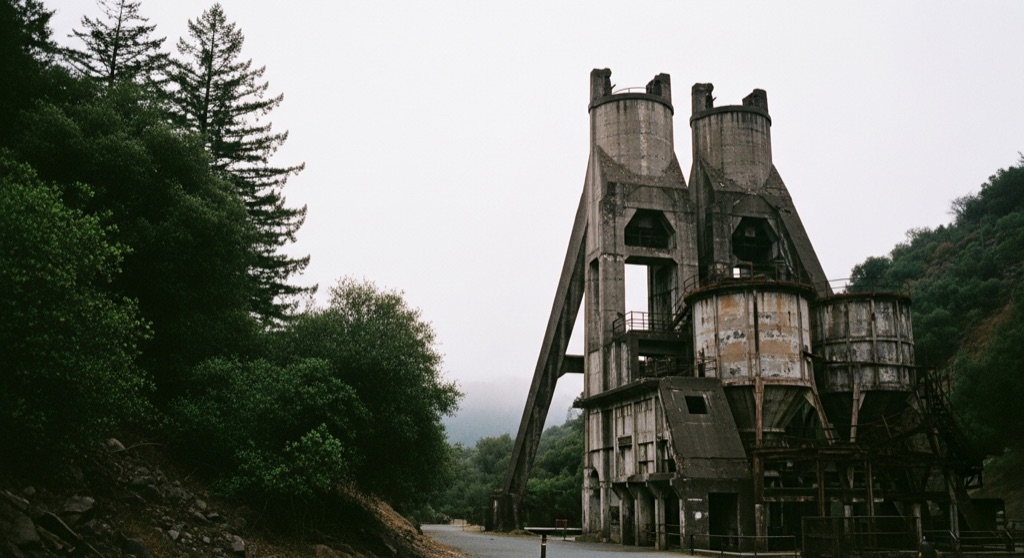
Opened in 1863, the Senator Mine (historically spelled Senador) was a highly productive cinnabar mine that supplied mercury to extract gold during the California Gold Rush. It operated intermittently until 1926, leaving behind a legacy of heavy industrial activity. Today, the site lies within Almaden Quicksilver County Park, where the massive, crumbling concrete towers of its 1915 Herreschoff furnace and dust bins still stand along the trail.
→ Three more abandoned & forgotten places in Santa Cruz — never the same twice
The story
In 1863, while prospectors in the Sierra Nevada were scrambling for gold, miners along this ridge in Almaden were chasing a different payoff: cinnabar. The Senator Mine—historically logged as El Senador—was tapped to pull up the heavy reddish ore and bake out liquid quicksilver, the volatile element essential for refining California's gold rush haul. It was brutal, heavy industrial work that churned through the hills intermittently until the operations finally went cold in 1926.
What's left standing inside Almaden Quicksilver County Park looks less like pioneer history and more like ancient industrial monuments forgotten in the scrub. In 1915, the mining company erected a massive Herreschoff furnace alongside concrete dust bins to process the cinnabar on-site. A century later, those looming, crumbling concrete furnace towers still hold their ground along the trail, scarred by weather and slowly being reclaimed by the hillside.
What it's like
You'll want to kick off your hike from the McAbee Road entrance, picking up the Senador Mine Trail as it winds up the ridge. The trail gives you solid overhead views stretching out across the Santa Clara Valley and into the Santa Cruz Mountains, but the main draw comes when the trail delivers you right to the base of the massive 1915 furnace ruins. You can legally walk up to, inspect, and photograph the towering concrete structures right from the trail. Don't come looking for subterranean exploration, though—every underground adit and mine shaft has been permanently sealed off for safety.
The move: Embark on a scenic hike along the Senador Mine Trail from the McAbee Road entrance, stopping to marvel at and photograph the towering concrete ruins before continuing up the ridge for panoramic views of the South Bay.
📍 Before you go The underground mine shafts are sealed and off-limits for safety, but the historic concrete furnace ruins are legally accessible to view and photograph from the public Senador Mine Trail within Almaden Quicksilver County Park.
- 📍 Almaden
- 💸 Free
- ⚡ Low-key
- 🌗 Outdoors
Where: Senator Mine, Almaden, CA 95120, USA
Hours: Added 2026-07-20 — confirm current access before you go.
Pair it with
- Enriquita Mine — Continue your trail route to another 1850s quicksilver site located less than two miles away in the same mountain park.
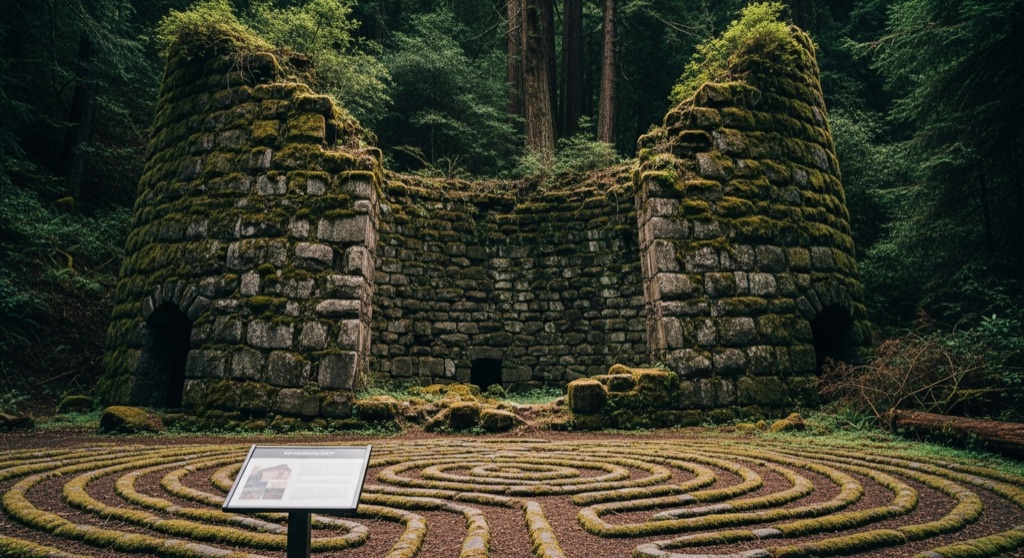
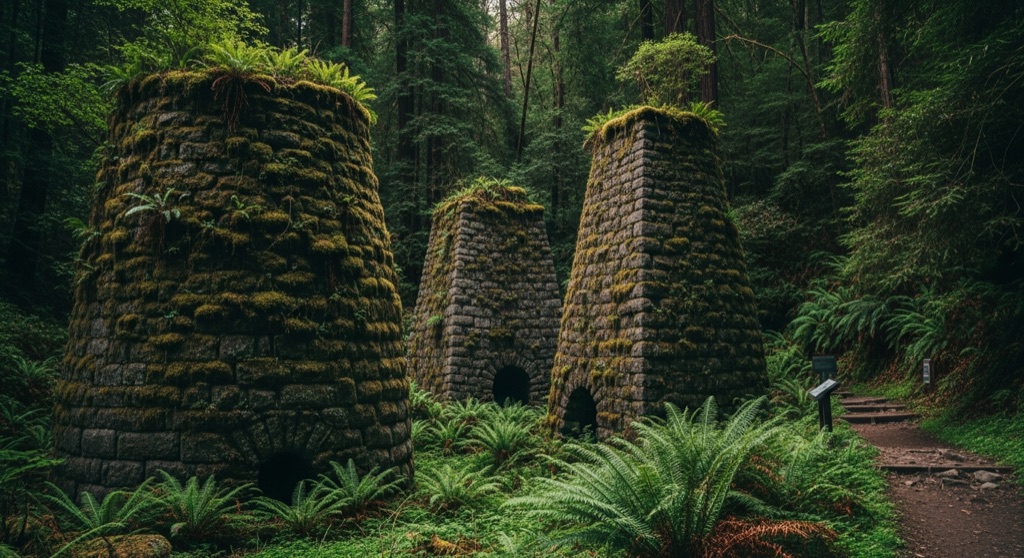
- Old Lime Kiln Ruins — If massive 19th-century industrial ruins swallowed by Northern California wilderness are your speed, head across the mountains to these mossy stone kilns in Felton.
- Holy City Art Glass — Pair industrial decay with oddball mountain history by visiting a working glassblowing studio operating inside the ruins of a 1910s cult compound.
More weird in Santa Cruz
Good to know
Can you explore inside the underground mine shafts?
No. All underground mine shafts and adits are sealed shut and strictly off-limits. Access is limited to viewing the above-ground concrete ruins from the public park trail.
What is the best way to access the ruins?
Park at the McAbee Road entrance to Almaden Quicksilver County Park and hike up the Senador Mine Trail directly to the site.
What actually built the concrete towers left on the site?
The massive concrete structures are the ruins of a 1915 Herreschoff furnace and industrial dust bins used to roast cinnabar rock into liquid mercury.
Plan a visit & invite your people →
Further reading: hmdb.org · Wikipedia · mindat.org · alltrails.com
last checked: 2026-07-20