Entry No. 36 — the Salt Lake City file — filed under: mine
Mule Hollow Mine
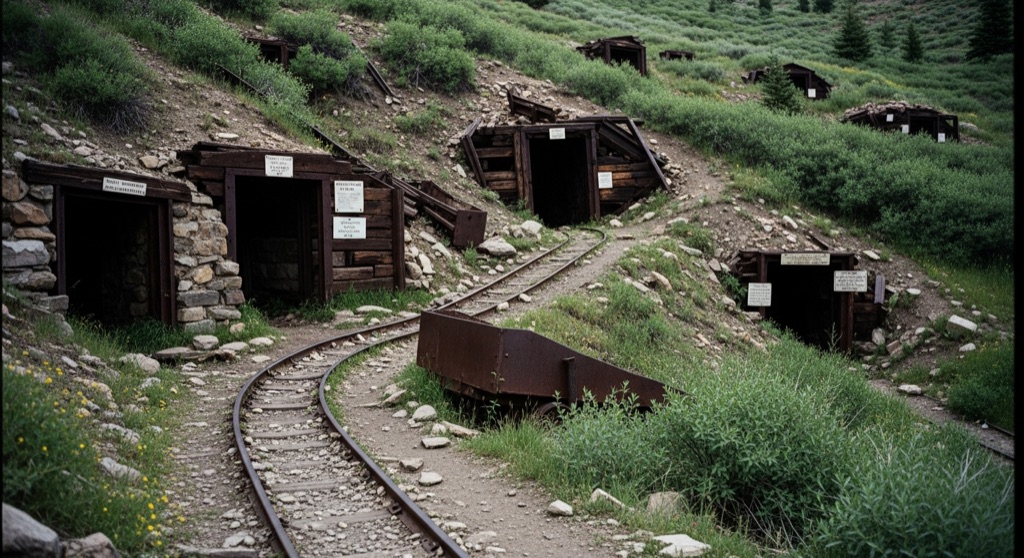
Tucked away in Big Cottonwood Canyon, the Mule Hollow Mine is a relic of the late 19th or early 20th-century mining boom in the Wasatch Mountains. While no structures remain standing, hikers can still find old cart tracks, rusted metal scrap, and overgrown tailings piles along the steep trail. Several collapsed mine portals are hidden in the brush near the main site.
→ Three more abandoned & forgotten places in Salt Lake City — never the same twice
The story
When late 19th-century prospectors tore through Big Cottonwood Canyon, they didn't leave much behind in the way of written documentation—and time didn't bother preserving what little architecture they built. Mule Hollow Mine sits high on the slopes of the Wasatch Range as a blank spot in local history archives, but the mountain hasn't quite managed to swallow up the evidence of what happened here.
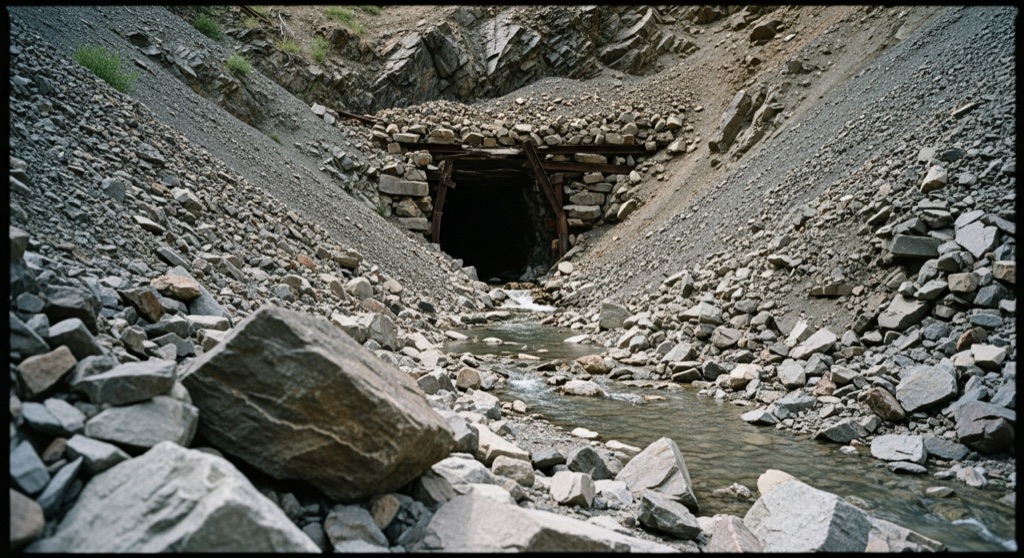
You won't find manicured ghost town boardwalks or informative state park plaques at the top. Instead, you get raw, abandoned industrial scrap sinking into the underbrush: narrow-gauge iron cart tracks running straight off dirt ledges, crushed rusted metal, and heavy tailings piles spilling down the ravine. The mine portals themselves are choked shut and collapsed, leaving only shadowed, brush-covered gaps in the rock to mark where men once dragged tonnage out of the granite.
What it's like
Prepare for a brief but steep kick in the ribs. You're grinding up about 1,200 vertical feet in just over a mile on a trail that gets far less foot traffic than nearby canyon hubs like Lake Blanche. It’s shady and uncrowded, but the upper stretches require careful footing over loose rock and brush. Once you hit the ruins, scattered iron rails and rusted iron plate emerge from the dirt. Watch your step around the tailings and stay clear of any collapsed portals—the mountain is still settling, and you didn't hear it from us, but those old timbers aren't holding up anything safely.
The move: Hike the steep, scenic Mule Hollow Trail together to search for rusted mining relics and enjoy panoramic views of Storm Mountain.
📍 Before you go The mine is located along a public hiking trail in the Uinta-Wasatch-Cache National Forest, but the mine shafts themselves are collapsed, unstable, and dangerous to enter.
- 📍 Salt Lake City
- 💸 Free
- ⚡ Low-key
- 🌗 Outdoors
Where: Salt Lake City, UT 84121, USA
Hours: Added 2026-07-20 — confirm current access before you go.
Pair it with
- Maxfield Mine — Pair two Big Cottonwood mining relics in one day by heading to the site of this major 1870s lead and silver producer.
- Wasatch Mine — Continue your survey of abandoned canyon mining by hiking up nearby Mineral Fork to see another late 19th-century relic.
- Cottonwood Paper Mill — Head down toward the mouth of the canyon to inspect the stone shell of an 1883 industrial paper mill gutted by fire.
- Silver Fork Lodge & Restaurant — Trade steep canyon ruins for sourdough pancakes and local ghost stories further up the canyon road.
More weird in Salt Lake City
Good to know
How difficult is the trail to Mule Hollow Mine?
It is short but steep, climbing roughly 1,200 vertical feet over a distance of just over one mile.
Can you go inside the mine shafts?
No. The mine portals are collapsed, unstable, and dangerous. Keep your exploration strictly to the surface tracks and scrap metal.
Are there any standing buildings at the mine?
No standing structures remain—only surface debris like cart tracks, scrap metal, tailings piles, and choked portal entrances.
What wilderness area or forest is this located in?
The site sits in Big Cottonwood Canyon within the Uinta-Wasatch-Cache National Forest.
Plan a visit & invite your people →
Further reading: roadtripryan.com · onxmaps.com · sltrib.com · Reddit
last checked: 2026-07-20