Entry No. 2 — the Philadelphia file — filed under: oddities
Wagner Free Institute of Science
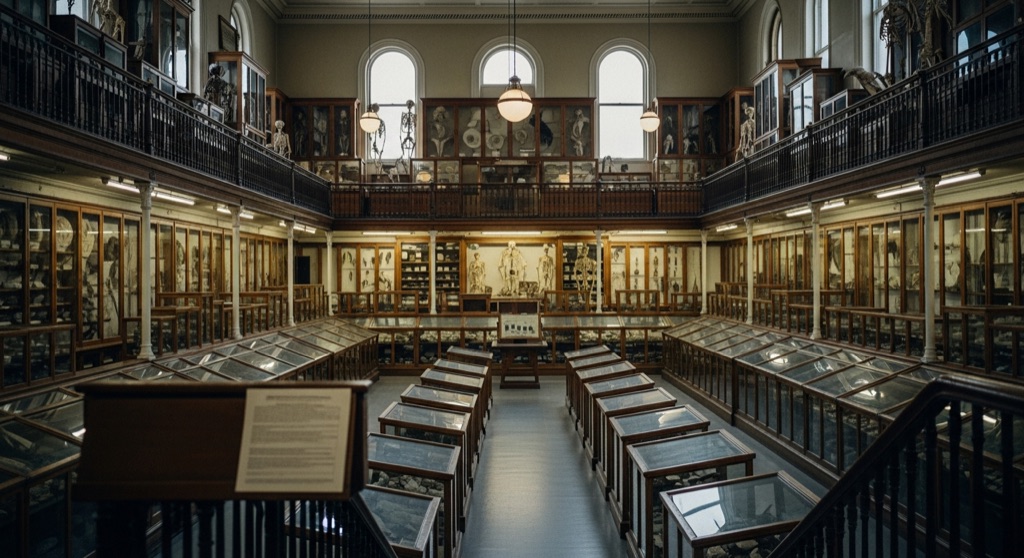
A Victorian natural-history hall that time simply skipped: 100,000+ specimens — fossils, glowing minerals, mounted skeletons — still sit in their original 1891 wood-and-glass cases, arranged by Joseph Leidy to walk visitors from simple organisms up through Darwin's tree of life, exactly as they were 130+ years ago.
→ Three more oddity shops & curiosities in Philadelphia — never the same twice
The story
William Wagner started offering free public science lectures out of his home in the 1840s, but what stands on Montgomery Avenue today is a rare survivor of Victorian intellectual ambition. When the present building opened and legendary paleontologist Joseph Leidy took over arranging the museum's collection, he laid out over 100,000 specimens in 1891 to physically walk visitors through Darwin's tree of life. Starting with microscopic organisms and shells on the outer edges, the glass-and-wood cases progress logically toward complex mammalian skeletons and fossils.
The strange magic of the Wagner isn't just the mounted taxidermy or glowing mineral cases—it's that time simply skipped the building. While other natural history museums spent the 20th century tearing out wooden cabinets to install touchscreens, dioramas, and fiberglass models, the Wagner stayed entirely intact. You are looking at specimens through original 1891 glass, reading hand-written labels mounted on cardstock, and walking the same creaky floorboards that 19th-century Philadelphians navigated.
What it's like
Climb the grand stairs to the second-floor exhibit hall—there is no elevator, which preserves the authentic 19th-century floorplan—and step into a sunlit sanctuary of high wooden ceilings and endless glass cases. The hall is usually quiet and empty on weekday afternoons. Pick up a self-guided scavenger hunt sheet at the front desk, pull out a notebook (the institute actively encourages visitors to sit and sketch the specimens), and give yourself an hour or two to explore the aisles uninterrupted. Always confirm open hours on their website before making the trek, as public visiting times are limited.
The move: Climb the stairs to the second-floor exhibit hall (no elevator, part of the charm), grab the self-guided scavenger hunt sheet, and sketch from the specimen cases together — sketching is explicitly encouraged and it's free and usually empty on a weekday afternoon.
- 📍 Lower North Philadelphia (Brewerytown/Fairmount border)
- 💸 $$
- ⚡ Up for anything
- 🌗 Indoors
Where: 1700 W. Montgomery Ave., Philadelphia, PA 19121
Hours: Added 2026-07-19 — confirm current hours before you go.
Pair it with
- Science History Institute Museum — Double down on early science history by heading south to Old City for free exhibits on alchemical art and the history of chemistry.
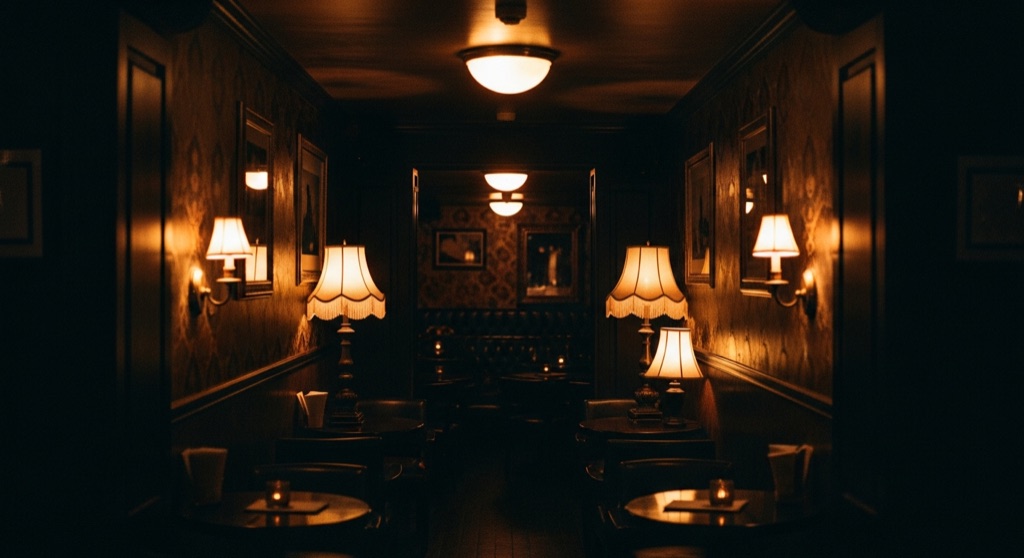
- PhilaMOCA (Philadelphia Mausoleum of Contemporary Art) — Follow up an afternoon surrounded by 1890s taxidermy with an evening event at a former 1850s tombstone showroom turned alt-art sanctuary.
- ICEBOX Project Space at Crane Arts — Contrast the dense, carefully categorized Victorian cabinets of the Wagner with a cavernous, 5,000-square-foot contemporary art space inside an old plumbing factory.
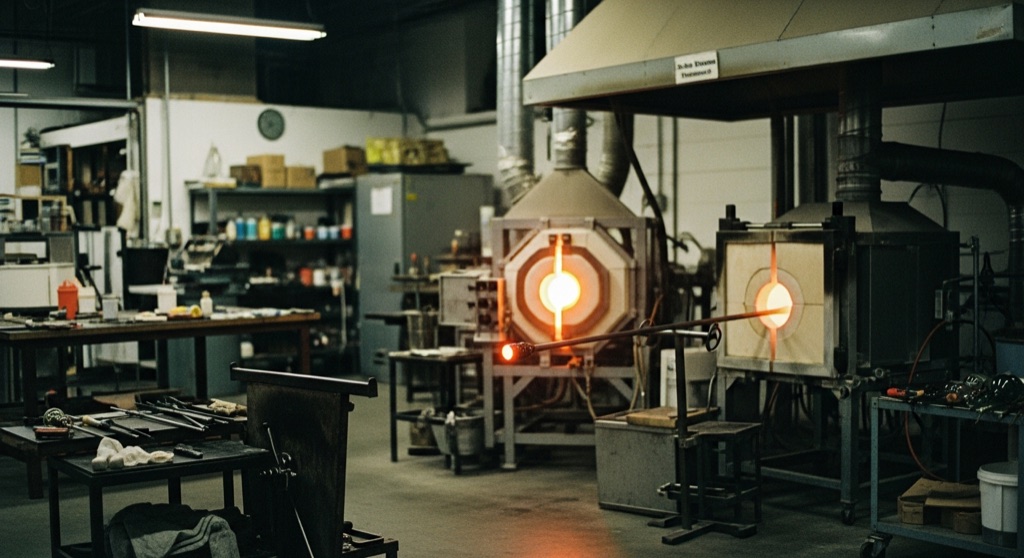
- NextFab — Metal Forging I — Match an afternoon studying 19th-century scientific craftsmanship with a hands-on evening shaping white-hot metal at an industrial forge class nearby.
More weird in Philadelphia
Good to know
Is admission actually free?
Yes. In keeping with founder William Wagner's original charter from the 19th century, admission to the museum hall and its public programs remains free, though voluntary donations are welcomed.
Is the exhibit hall wheel-chair accessible?
Because the building maintains its original 1890s architectural structure, the primary exhibit hall is located on the second floor and is only accessible via stairs; there is no elevator.
Are you allowed to photograph or sketch the specimens?
Yes. Photography for personal use is allowed, and sketching directly from the specimen cases is explicitly encouraged.
What kinds of things are on display?
The collection includes over 100,000 items, featuring mounted skeletons, taxidermy animals, glowing fluorescent minerals, fossils, and preserved marine invertebrates arranged in systematic evolutionary order.
Plan a visit & invite your people →
Further reading: Official site · Wikipedia · Reddit
📷 We made a card for this one on Instagram →
last checked: 2026-07-19