Entry No. 28 — the Philadelphia file — filed under: morbid history
Grumblethorpe
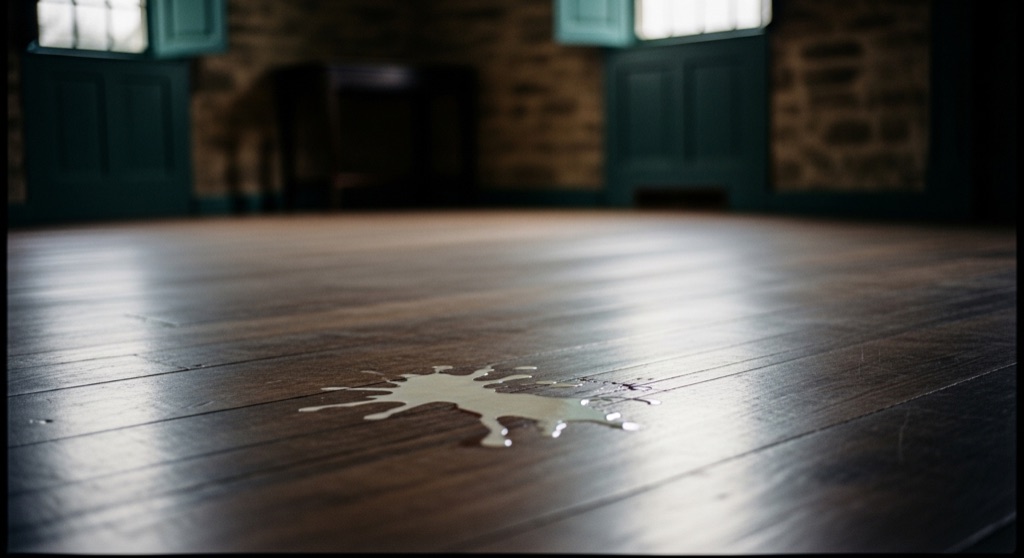
British Brigadier General James Agnew was carried into this 1744 stone farmhouse after being shot during the Battle of Germantown and bled out on the front parlor floor — the pale, oddly liquid-shaped stain is still pointed out on the original boards.
→ Three more haunted places & dark-history spots in Philadelphia — never the same twice
The story
Long before Germantown Avenue turned into a bustling residential corridor, German immigrant John Wister built a massive stone country residence here in 1744, known across 18th-century Philadelphia simply as 'John Wister's Big House.' His family inhabited the homestead for more than 160 years, accumulating generations of personal belongings, but the property etched itself into regional lore during a single violent afternoon in October 1777.
During the Battle of Germantown, British Brigadier General James Agnew commandeered the Wister residence as his headquarters. After taking a fatal shot from sniper fire down the road, Agnew was carried back into the parlor and laid across the wide-plank wood floors, where he quickly bled out. The blood soaked deep into the timber—leaving a pale, oddly liquid-contoured stain on the original 1744 floorboards that remains visible to visitors today.
What sets Grumblethorpe apart from the polished historic houses of Old City is its grounded grit and surviving context. You're not looking at reproduction furniture behind modern plastic shields; you're standing in the actual room where an army commander died, framed by authentic Wister heirlooms and an active kitchen garden out back that still grows produce for the neighborhood.
What it's like
Stepping into Grumblethorpe means walking straight off a noisy Germantown sidewalk into a quietly preserved colonial enclave. Guided house tours lead you through Wister family artifacts before pausing over the faint, undeniable shadow on the parlor floor where General Agnew met his end. Afterward, slip out back to tour the kitchen garden and farm stand, which operates as an active youth program in the community. Double-check tour schedules before heading out, as public hours can vary by season.
The move: Take the guided tour of the Wister family house, stand over the actual 1777 bloodstain in the parlor, then walk the small kitchen garden and farm stand out back before heading up Germantown Avenue.
- 📍 Germantown
- 💸 $$
- ⚡ Up for anything
- 🌗 Indoors
Where: 5267 Germantown Avenue, Philadelphia, PA 19144
Hours: Added 2026-07-19 — confirm current hours before you go.
⚠ Seasonal or scheduled — always check before you go.
Pair it with
- Fingerspan Bridge — Pair Germantown's Revolutionary War history with a short drive into the Wissahickon woods to hike across a Cor-Ten steel bridge shaped like a giant human finger.
- Wagner Free Institute of Science — Follow up an 18th-century murder site with a trip south to an untouched Victorian natural history hall filled with 100,000 preserved specimens and skeletons.
- East Falls Glassworks — Trade static colonial architecture for raw thermal energy just two miles away by trying your hand at 2,000°F glassblowing.
More weird in Philadelphia

Good to know
How did General Agnew die inside Grumblethorpe?
During the Battle of Germantown in October 1777, British Brigadier General James Agnew used the Wister home as his headquarters. After being shot during the clash, he was brought into the front parlor, where he bled to death on the floor.
Is the bloodstain still visible on the floor?
Yes. The original 18th-century floorboards in the front parlor still show a pale, liquid-contoured stain where General Agnew died, pointed out by docents during tours.
Who originally built and owned the house?
German immigrant merchant John Wister built the stone house in 1744 as a summer home. The Wister family lived on the property for over 160 years across six generations.
What is located behind the historic residence?
Behind the house is a historic kitchen garden and small urban farm stand run partly through an educational youth agriculture program.
Plan a visit & invite your people →
Further reading: philalandmarks.org · Wikipedia · visitphilly.com
last checked: 2026-07-19