Entry No. 49 — the New York City file — filed under: haunted
Gotham Taxidermy
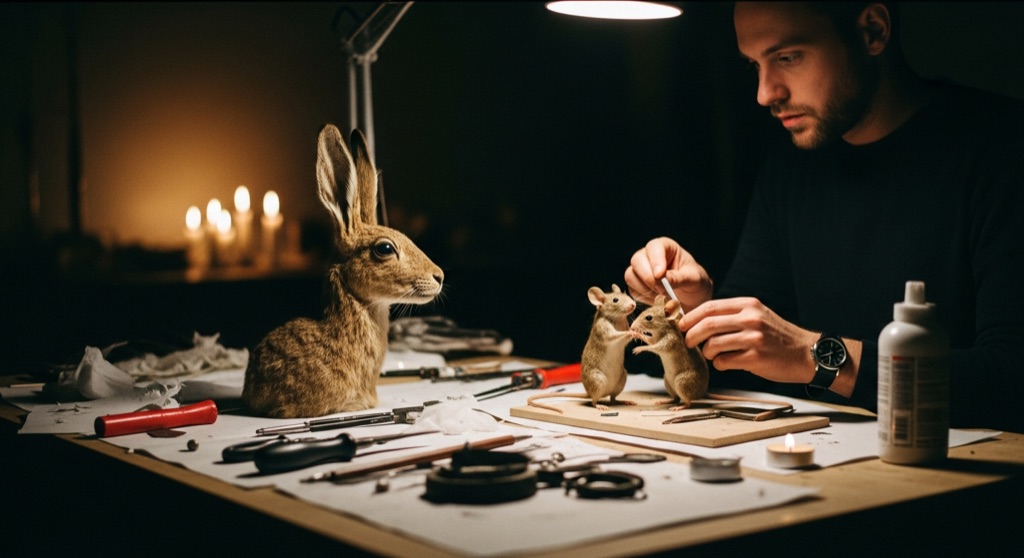
Award-winning licensed taxidermist Divya Anantharaman teaches small, hands-on classes in a private Brooklyn studio, walking absolute beginners through anatomy, skinning, and mounting. Specimens are legally and sustainably sourced, and you build a finished piece to take home: an anthropomorphic mouse, a bird mount, a rabbit-or-jackalope shoulder mount, or an articulated rodent skeleton in a glass dome. Anantharaman's work has appeared in National Geographic, the New York Times, and the Discovery show Oddities.
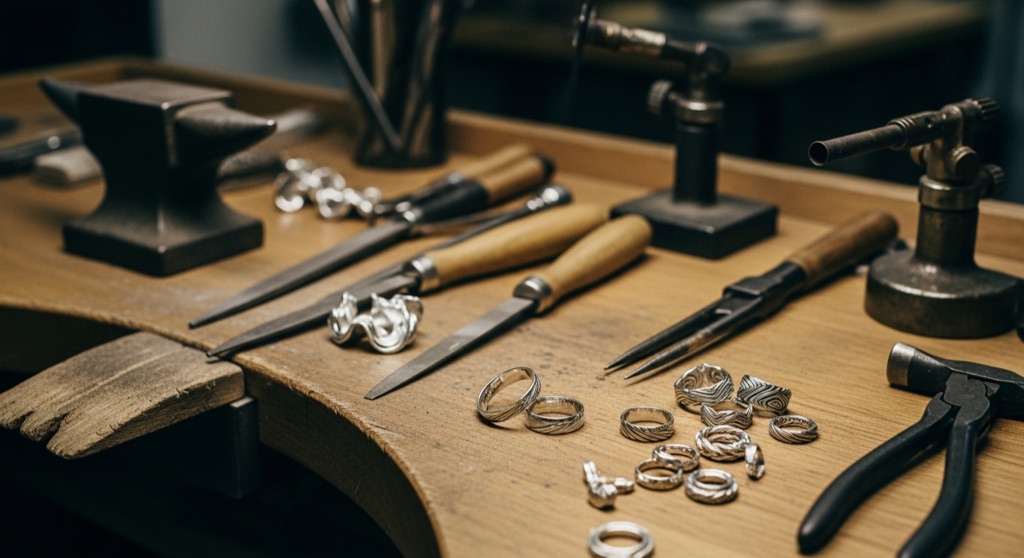
→ Three more hands-on workshops & classes in New York City — never the same twice
The story
Divya Anantharaman didn't set up Gotham Taxidermy as a novelty shop or a ghoulish parlor trick. An award-winning licensed taxidermist whose work has featured in National Geographic, the New York Times, and Discovery's Oddities, she operates out of a private studio near 25th Street and 3rd Avenue with an explicit mission: using taxidermy to spark scientific wonder and promote wildlife conservation.
The fundamental rule at Gotham Taxidermy is strict ethical sourcing—nothing is ever harmed for her work. All animals provided for classes are legally and sustainably acquired natural mortalities or feeder specimens. In her workshops, Anantharaman strips away the sensationalism of the macabre, guiding students through the exacting, technical discipline of anatomical study, skinning, fleshing, preserving, and mounting.
What it's like
You'll hop off the R train in Sunset Park and enter a working private studio that feels more like a quiet natural-history laboratory than a craft shop. Workshops run between two and six hours with very small group sizes, meaning Anantharaman is right beside you helping guide scalpel cuts through skin and tissue. It is tactile, precise, and definitely not for the squeamish, but you'll leave with a strange piece of permanent art—whether that's a posed anthropomorphic mouse, a jackalope shoulder mount, or an articulated rodent skeleton under a glass dome.
The move: Pick a 'jackalope' or paired-mouse class and spend an afternoon learning to preserve and pose a specimen together, leaving with a strange keepsake.
📍 Before you go Classes run 2-6 hours, dated sessions July-October, and book up; not for the squeamish.
- 📍 Sunset Park, Brooklyn
- 💸 $$
- ⚡ Up for anything
- 🌗 Indoors
Where: Private studio near 25th Street & 3rd Ave, Brooklyn (off the R train)
Hours: Added 2026-06-23 — confirm current hours before you go.
⚠ Seasonal or scheduled — always check before you go.
Pair it with
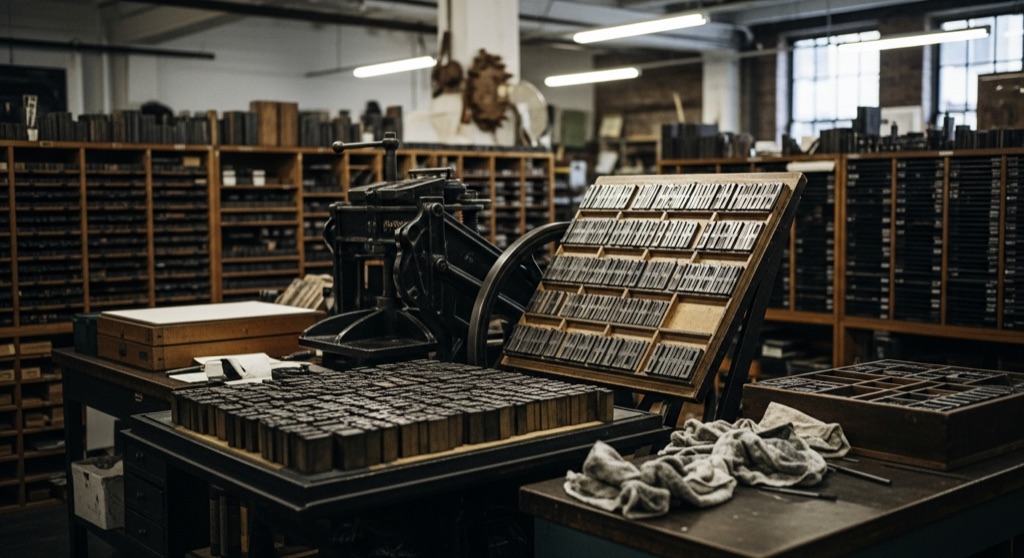
- Morbid Anatomy — Morbid Anatomy frequently collaborates on natural history classes right nearby in Industry City, making it a seamless second stop.
- Green-Wood Cemetery Catacombs (After Hours Tour) — Head up the hill to Green-Wood Cemetery to pair your lesson in Victorian preservation crafts with a walk through 19th-century funerary history.
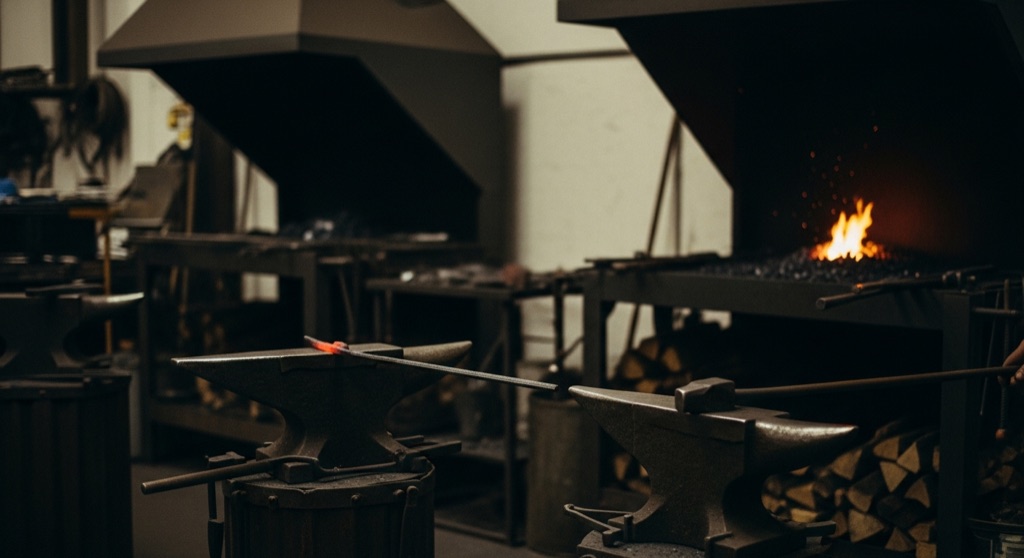
- Craftsman Ave — Knife Forging — Swap your scalpels for a blacksmithing hammer and propane forge right in Sunset Park for a full day of hands-on physical crafting.
More weird in New York City
Good to know
Do I need any taxidermy or sculpting experience before taking a class?
No prior experience is necessary. Workshops are structured for absolute beginners and cover every phase of the process, from anatomy basics to final posing.
Where do the animal specimens come from?
All specimens are legally and ethically sourced using natural mortalities and feeder animals. No animal is ever harmed or killed for these classes.
What projects can you make in a workshop?
Depending on the specific session scheduled, you might work on an anthropomorphic mouse, a bird mount, a rabbit or jackalope shoulder mount, or an articulated rodent skeleton mounted under a glass dome.
How long do classes take, and when are they held?
Workshops last anywhere from 2 to 6 hours depending on the project. Sessions run primarily from July through October and require advance booking.
Plan a visit & invite your people →
Further reading: Official site · morbidanatomy.org
last checked: 2026-06-23