Entry No. 12 — the New Orleans file — filed under: haunted
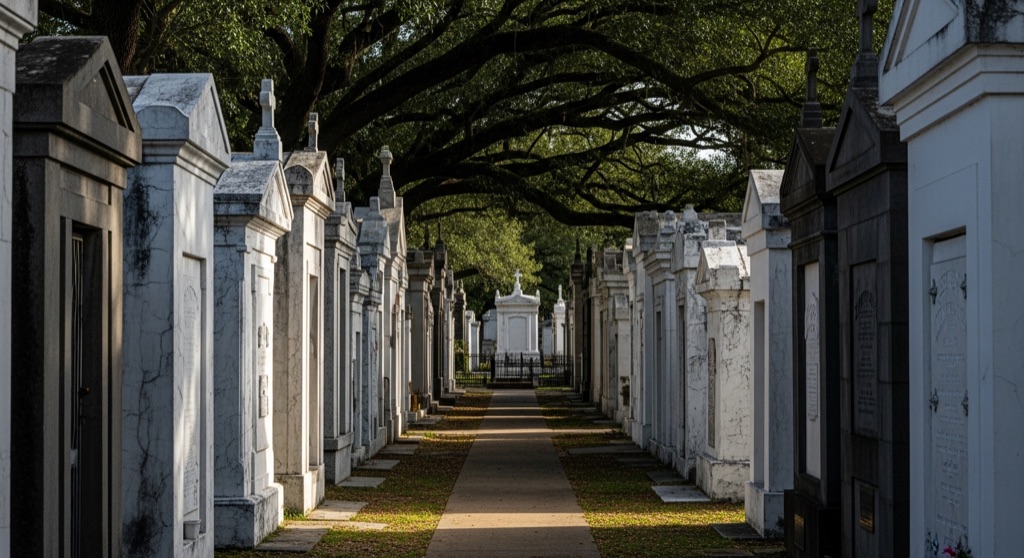
St. Louis Cemetery No. 1
The oldest surviving cemetery in New Orleans, opened in 1789, a dense maze of above-ground tombs just outside the French Quarter. It holds the Laveau-Glapion family tomb said to contain Voodoo priestess Marie Laveau, reportedly the second-most-visited grave in the country after Elvis. Since 2015 the Archdiocese has restricted entry to licensed tour groups and registered family, so the only way in is with a guide or a family pass.
→ Three more haunted places & dark-history spots in New Orleans — never the same twice
The story
When the city's original St. Peter Street burial ground filled up, officials pushed the dead out to Basin Street in 1789. St. Louis Cemetery No. 1 isn't a leafy, open park—it is a cramped, sun-baked block of decaying brick crypts and whitewashed plaster squeezed right against the edge of Tremé. Because New Orleans sits on high water tables, traditional subterranean burial wasn't practical, forcing generations of families to build upward into dense, multi-tiered vaults that feel more like a mini-metropolis than a graveyard.
The center of gravity inside the maze is the Laveau-Glapion family tomb, the resting place of Voodoo priestess Marie Laveau. Her vault is reportedly the second-most-visited grave in the United States, trailed only by Elvis Presley's Graceland. For decades, visitors treated the crumbling plaster structure as an active shrine, scraping marks and dropping offerings onto the tomb steps to call on her spirit.
If you remember slipping through the front gate on your own years ago, those days are over. In 2015, following years of vandalism and wear on the fragile vaults, the Archdiocese of New Orleans padlocked the perimeter to the general public. Today, you don't get through the iron gates unless you're flanked by a licensed guide from Cemetery Tours New Orleans or holding an Archdiocese family pass.
What it's like
Expect zero shade and brutal heat reflecting off the white crypt walls, so bring water before walking up to Basin Street. You won't be wandering in quiet solitude; you'll shuffle in a tight pack through narrow, dusty brick paths behind your guide. Keep your hands off the crypts—the guard presence and guide oversight are strict about keeping the decaying plaster intact.
The move: Book a licensed daytime walking tour and let the guide thread you through the tombs to Marie Laveau's vault.
📍 Before you go Tour-only access; the general public cannot enter without a licensed guide or Archdiocese family pass.
- 📍 Tremé
- 💸 $$
- ⚡ Up for anything
- 🌗 Indoors
Where: 425 Basin St, New Orleans, LA 70112
Hours: Added 2026-06-22 — confirm current hours before you go.
⚠ Seasonal or scheduled — always check before you go.
Pair it with
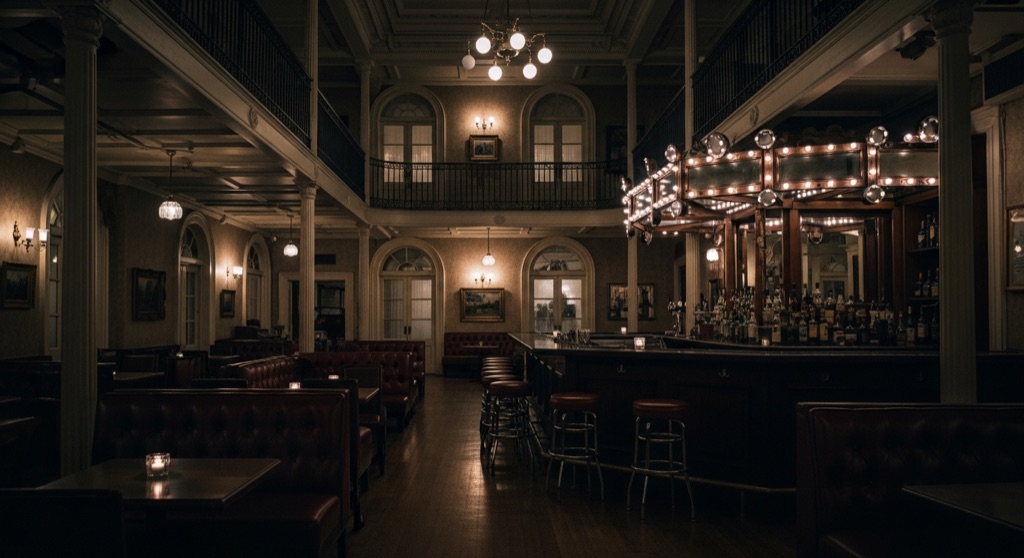
- Bar Tonique — Walk two blocks down Rampart Street after your tour to grab a classic cocktail in this dark, unpretentious brick bar.
- Jewel of the South — Escape the heat of the tomb pathways in the quiet garden courtyard of this nearby 1830s Creole cottage.
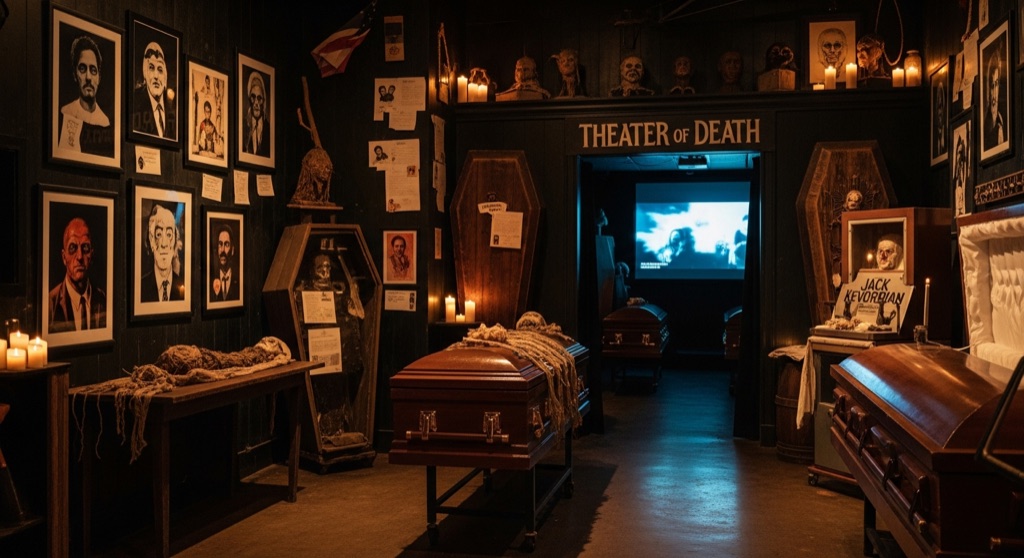
- Museum of Death — Pair the historical crypts of Basin Street with an unflinching look at macabre artifacts a short walk away in the Quarter.
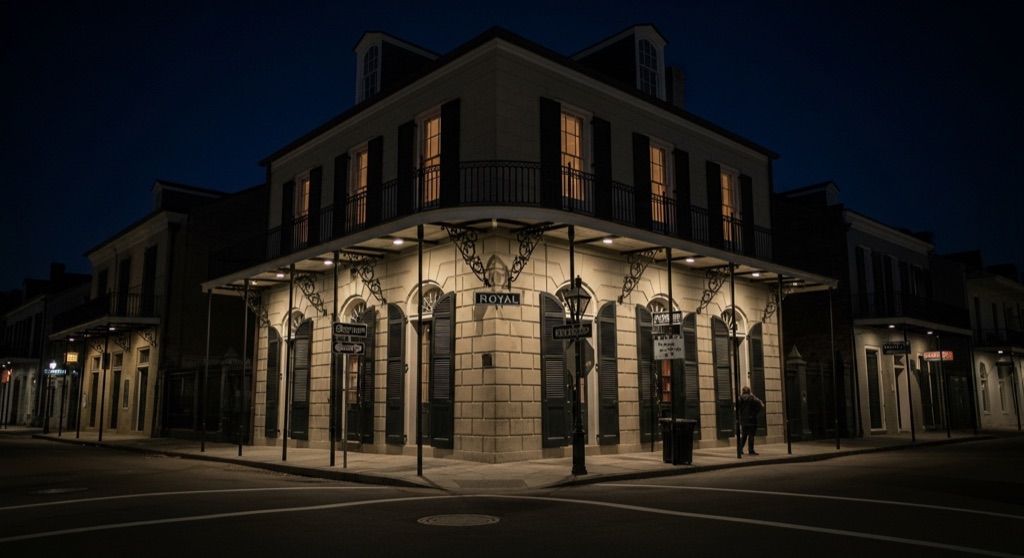
- LaLaurie Mansion (exterior) — Continue your dark history walk by heading six blocks east to view the notorious Royal Street facade.
More weird in New Orleans
Good to know
Can I visit St. Louis Cemetery No. 1 without a guide?
No. Since 2015, the Archdiocese of New Orleans requires all visitors to enter with a licensed guide or an official registered family pass.
Whose grave is the main draw in the cemetery?
The Laveau-Glapion family tomb, which holds famous Voodoo priestess Marie Laveau and sits as one of the most visited gravesites in the country.
When was the cemetery established?
It opened in 1789 to replace the city's older, overcrowded St. Peter Street cemetery.
Where is the cemetery located?
It occupies a single block at 425 Basin Street in the Tremé neighborhood, just outside the French Quarter.
Plan a visit & invite your people →
Further reading: neworleanshistorical.org · 64parishes.org · Official site · nolacatholiccemeteries.org · Wikipedia
last checked: 2026-06-22