Hidden bars & speakeasies in New Orleans
New Orleans hides 9 bars worth the hunt, including Muriel's Jackson Square (Séance Lounge), The Sazerac House and Beachbum Berry's Latitude 29. Unmarked doors, back-of-the-laundromat phone booths, no-sign basements — speakeasies that earned the word rather than borrowing it for the decor. They spread across French Quarter, Central Business District and Freret, so two or three can make a whole afternoon. Every entry is hand-vetted against real sources — not scraped off a top-ten list or averaged out of crowd ratings.
-
 Muriel's Jackson Square (Séance Lounge)
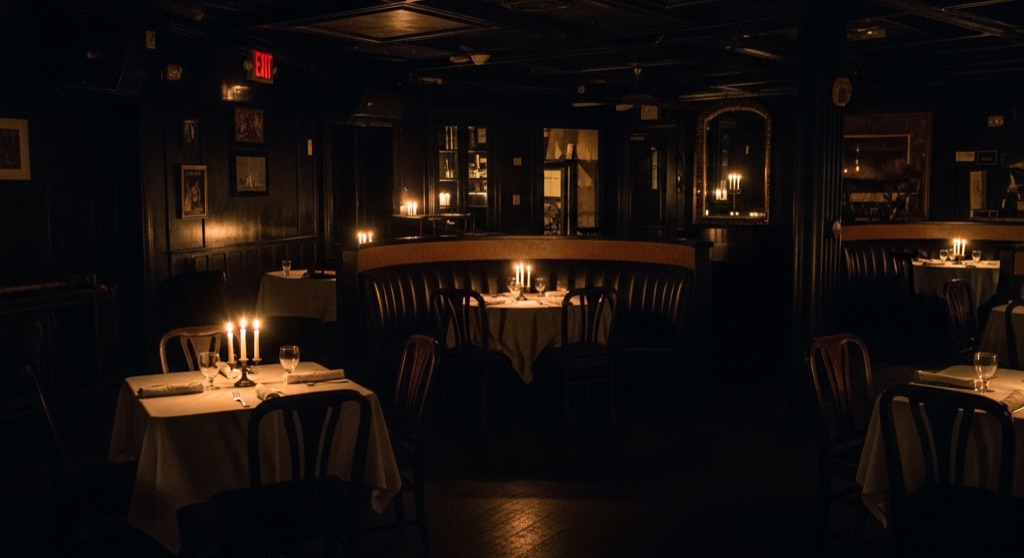
A Creole restaurant on Jackson Square whose upstairs Séance Lounge is tied to Pierre Antoine Lepardi Jourdan, said to have lost the building in a card game and taken his own life there in 1814. The candlelit second-floor rooms are kept dim and clubby, and staff lore holds that a table is still set for Jourdan's spirit. You can climb up for a cocktail without a dinner reservation when the space isn't booked for a private event.
Muriel's Jackson Square (Séance Lounge)
A Creole restaurant on Jackson Square whose upstairs Séance Lounge is tied to Pierre Antoine Lepardi Jourdan, said to have lost the building in a card game and taken his own life there in 1814. The candlelit second-floor rooms are kept dim and clubby, and staff lore holds that a table is still set for Jourdan's spirit. You can climb up for a cocktail without a dinner reservation when the space isn't booked for a private event.
-
 The Sazerac House
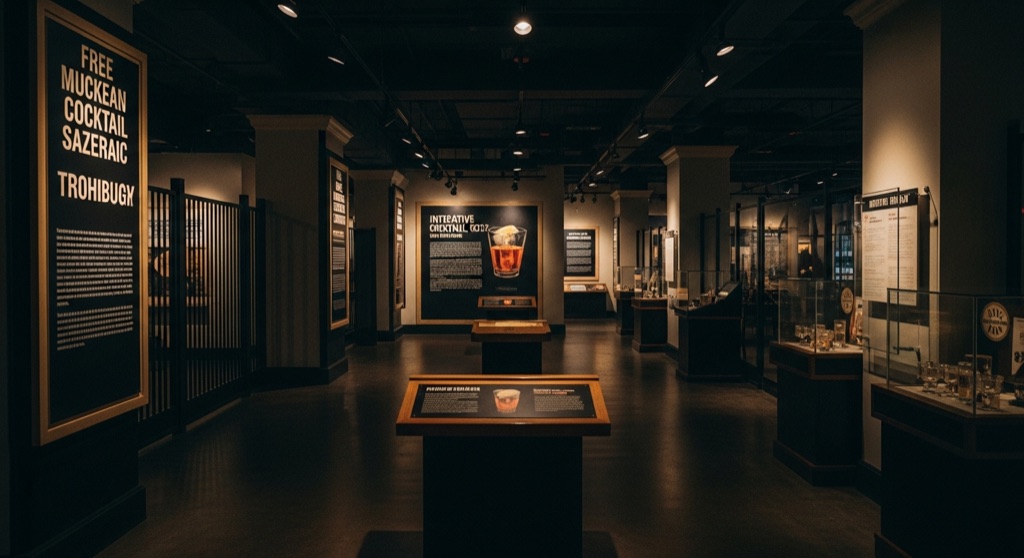
A free three-story museum and working micro-distillery at the corner of Canal and Magazine devoted to the history of the American cocktail and the New Orleans-born Sazerac. Interactive exhibits trace cocktail culture from its origins through Prohibition, and visitors over 21 get complimentary tastings, often including a featured Sazerac. Tours start roughly every 20 minutes and run about 90 minutes.
The Sazerac House
A free three-story museum and working micro-distillery at the corner of Canal and Magazine devoted to the history of the American cocktail and the New Orleans-born Sazerac. Interactive exhibits trace cocktail culture from its origins through Prohibition, and visitors over 21 get complimentary tastings, often including a featured Sazerac. Tours start roughly every 20 minutes and run about 90 minutes.
-
 Beachbum Berry's Latitude 29
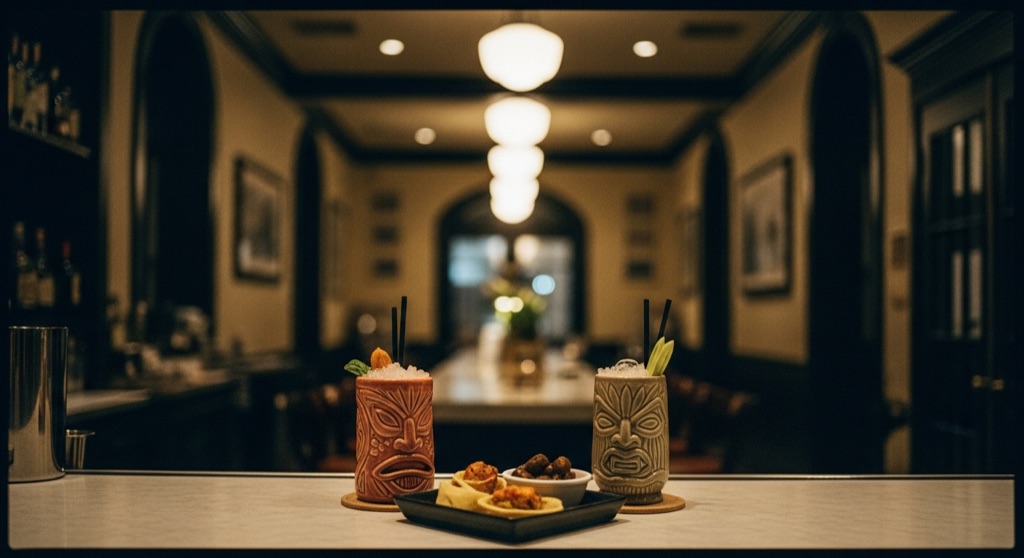
Tucked into the lobby of the Bienville House Hotel, this is the personal bar of Jeff "Beachbum" Berry, the cocktail historian who spent decades reverse-engineering lost mid-century tiki recipes from defunct Polynesian restaurants. Drinks arrive in custom ceramic mugs, and the menu resurrects formulas like the Three Dots and a Dash that had been scattered or destroyed. It opened in 2014 and remains one of the most serious tiki programs in the country.
Beachbum Berry's Latitude 29
Tucked into the lobby of the Bienville House Hotel, this is the personal bar of Jeff "Beachbum" Berry, the cocktail historian who spent decades reverse-engineering lost mid-century tiki recipes from defunct Polynesian restaurants. Drinks arrive in custom ceramic mugs, and the menu resurrects formulas like the Three Dots and a Dash that had been scattered or destroyed. It opened in 2014 and remains one of the most serious tiki programs in the country.
-
 Cane & Table
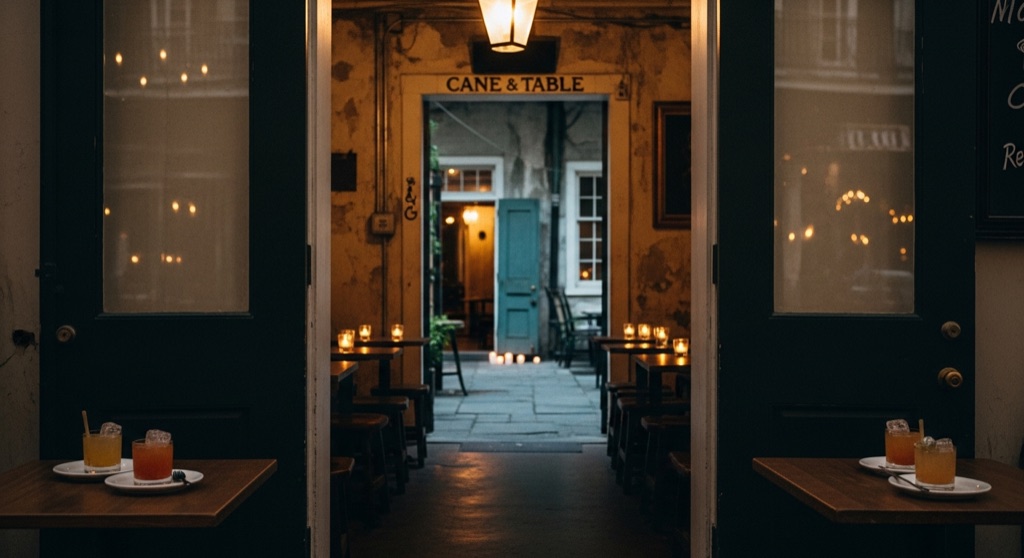
Behind a Decatur Street facade near the quiet lower end of the Quarter, Cane & Table opens into a crumbling-plaster, Old Havana-style room with a candlelit back courtyard. The bar specializes in "proto-tiki" and rum-forward drinks built on house syrups and tinctures, an approach Bon Appetit cited when naming it one of the best new cocktail bars in America. It is dim, weathered, and feels far older and more secret than it is.
Cane & Table
Behind a Decatur Street facade near the quiet lower end of the Quarter, Cane & Table opens into a crumbling-plaster, Old Havana-style room with a candlelit back courtyard. The bar specializes in "proto-tiki" and rum-forward drinks built on house syrups and tinctures, an approach Bon Appetit cited when naming it one of the best new cocktail bars in America. It is dim, weathered, and feels far older and more secret than it is.
-
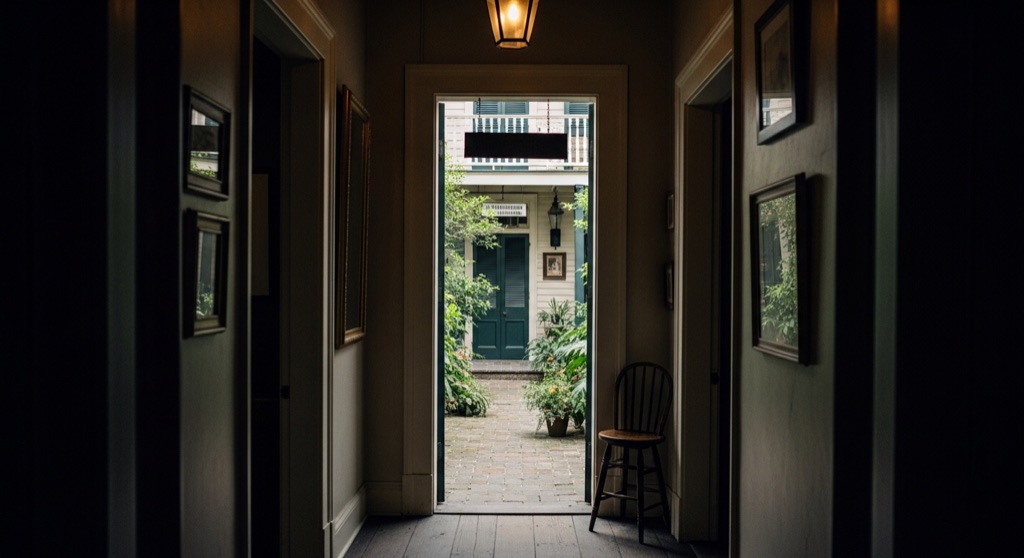 Jewel of the South
Set in a restored 1830s Creole cottage with a hidden garden courtyard and wood-framed parlour rooms, Jewel is co-founder Chris Hannah's homage to a vanished 19th-century New Orleans bar of the same name, run by pioneering bartender Joseph Santini. Santini is credited with inventing the Brandy Crusta in New Orleans around 1850 — the first cocktail with a sugared rim — and the current bar serves a meticulous version of it. Jewel has ranked among the World's 50 Best Bars and been repeatedly named the best bar in the American South.
Jewel of the South
Set in a restored 1830s Creole cottage with a hidden garden courtyard and wood-framed parlour rooms, Jewel is co-founder Chris Hannah's homage to a vanished 19th-century New Orleans bar of the same name, run by pioneering bartender Joseph Santini. Santini is credited with inventing the Brandy Crusta in New Orleans around 1850 — the first cocktail with a sugared rim — and the current bar serves a meticulous version of it. Jewel has ranked among the World's 50 Best Bars and been repeatedly named the best bar in the American South.
-
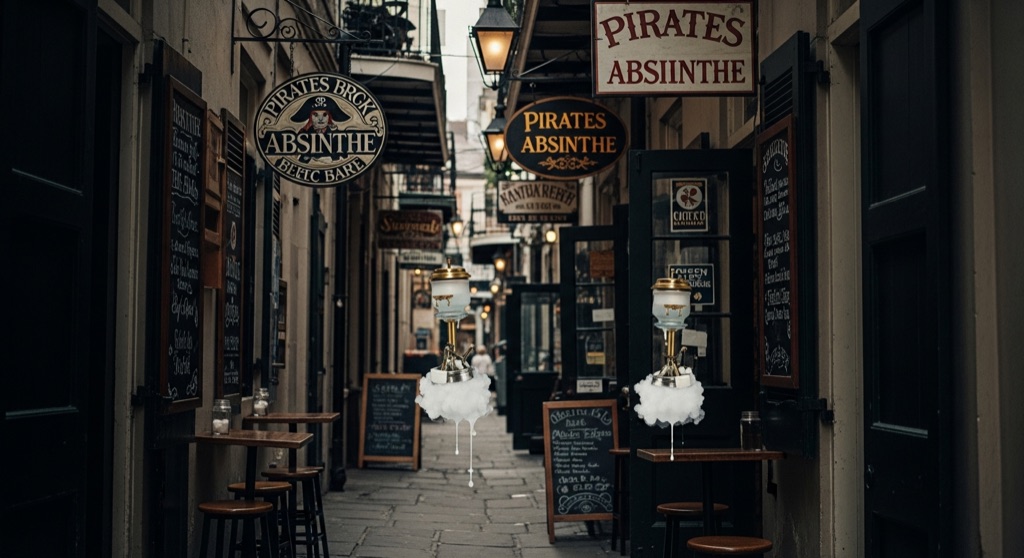 Pirate's Alley Cafe & Olde Absinthe House
Wedged into the narrow flagstone passage of Pirates Alley behind St. Louis Cathedral, this tiny cafe is one of the few spots in the city built around proper absinthe service with sugar cubes and slow-dripped ice water over a fountain. The space is cramped, pirate-themed, and spills out into the alley where Faulkner once lived next door. It leans into the absinthe-and-louche-ritual experience rather than a polished cocktail-bar feel.
Pirate's Alley Cafe & Olde Absinthe House
Wedged into the narrow flagstone passage of Pirates Alley behind St. Louis Cathedral, this tiny cafe is one of the few spots in the city built around proper absinthe service with sugar cubes and slow-dripped ice water over a fountain. The space is cramped, pirate-themed, and spills out into the alley where Faulkner once lived next door. It leans into the absinthe-and-louche-ritual experience rather than a polished cocktail-bar feel.
-
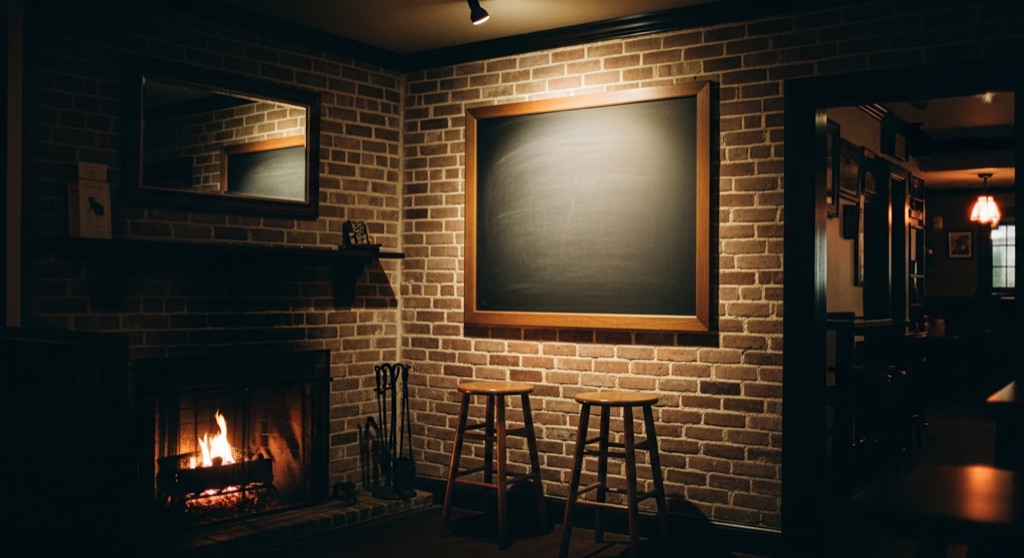 Bar Tonique
On the quiet Rampart Street edge of the Quarter, Tonique is a small brick room with a working fireplace and a chalkboard menu of original, adapted, and classic cocktails built on housemade ingredients. It was an early anchor of the modern New Orleans cocktail revival, with its first menu crafted by Neal Bodenheimer, and Esquire has named it among the best bars in America. The Ramos Gin Fizz here is famously shaken for the full punishing length it requires.
Bar Tonique
On the quiet Rampart Street edge of the Quarter, Tonique is a small brick room with a working fireplace and a chalkboard menu of original, adapted, and classic cocktails built on housemade ingredients. It was an early anchor of the modern New Orleans cocktail revival, with its first menu crafted by Neal Bodenheimer, and Esquire has named it among the best bars in America. The Ramos Gin Fizz here is famously shaken for the full punishing length it requires.
-
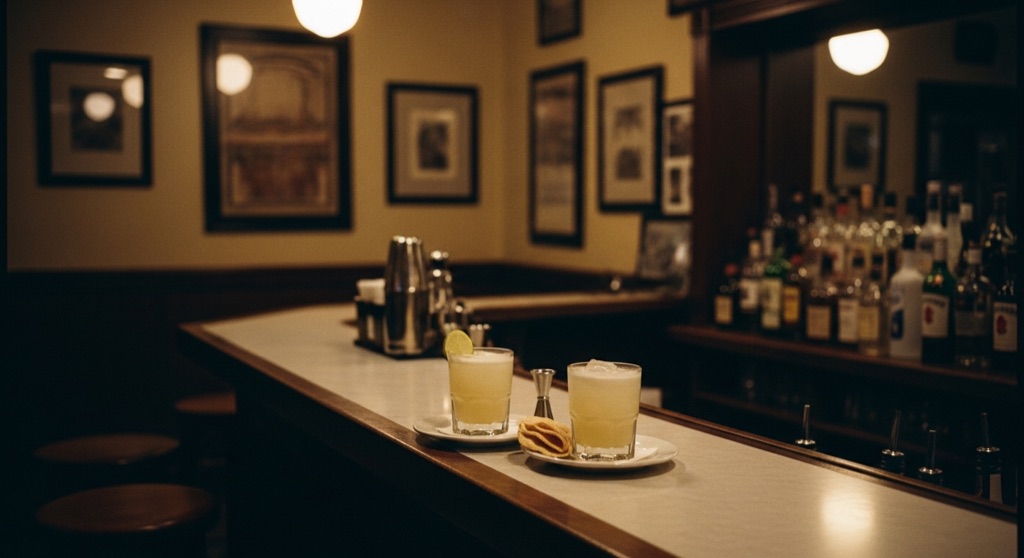 Manolito
A Cuban bar named for Manuel "Manolito" Carbajo Aguiar, a beloved bartender from Havana's legendary El Floridita, Manolito calls itself a "little cradle" of the daiquiri in the French Quarter. Founded by veteran New Orleans bartenders, it focuses on classic frozen and shaken daiquiris and other Cuban-rooted drinks rather than the slushy-machine version sold up the street. The intimate original bar room (it has since expanded to add a courtyard) is a deliberate locals' counterpoint to the Bourbon Street daiquiri trade.
Manolito
A Cuban bar named for Manuel "Manolito" Carbajo Aguiar, a beloved bartender from Havana's legendary El Floridita, Manolito calls itself a "little cradle" of the daiquiri in the French Quarter. Founded by veteran New Orleans bartenders, it focuses on classic frozen and shaken daiquiris and other Cuban-rooted drinks rather than the slushy-machine version sold up the street. The intimate original bar room (it has since expanded to add a courtyard) is a deliberate locals' counterpoint to the Bourbon Street daiquiri trade.
-
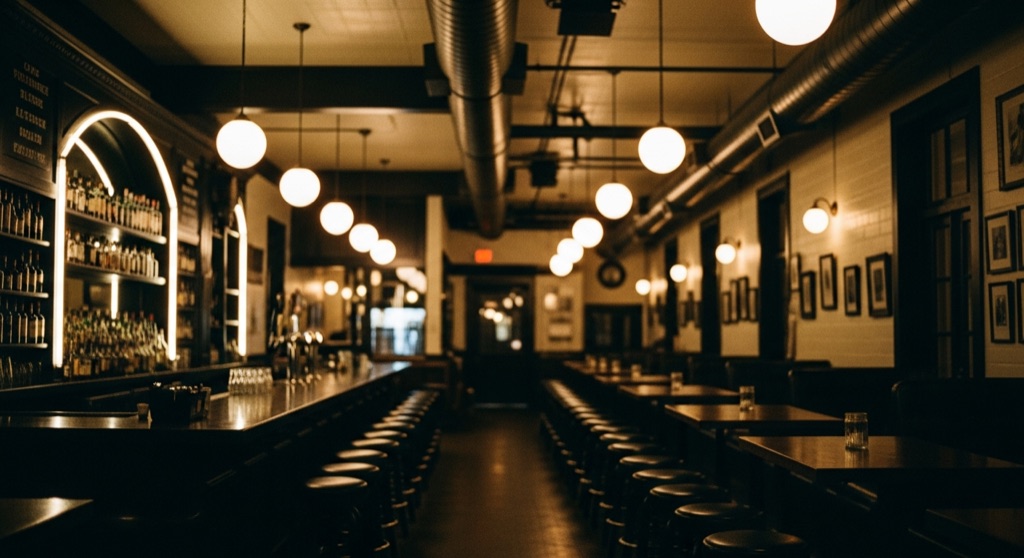 Cure
Set in a converted firehouse on Freret Street, well uptown of the tourist core, Cure is widely credited with sparking the modern New Orleans craft-cocktail movement when it opened in 2009. Its high-ceilinged, apothecary-style room and rigorously balanced original drinks earned it the James Beard Award for Outstanding Bar Program in 2018. It rewards the trip away from the Quarter with a quieter, neighborhood-serious drinking experience.
Cure
Set in a converted firehouse on Freret Street, well uptown of the tourist core, Cure is widely credited with sparking the modern New Orleans craft-cocktail movement when it opened in 2009. Its high-ceilinged, apothecary-style room and rigorously balanced original drinks earned it the James Beard Award for Outstanding Bar Program in 2018. It rewards the trip away from the Quarter with a quieter, neighborhood-serious drinking experience.
Hidden bars & speakeasies in New Orleans — FAQ
How do you get into the hidden bars in New Orleans?
Usually a door with no sign, a reservation, or knowing what to ask for — each listing spells out its own entry move. At The Sazerac House, for example: Reserve a free tour slot, wind up the three floors of exhibits, and toast each other with the complimentary Sazerac tasting at the end.
Which hidden bars & speakeasies in New Orleans are the strangest?
Ranked by how strange they actually are: Beachbum Berry's Latitude 29, Cane & Table and Cure. Beachbum Berry's Latitude 29 — Tucked into the lobby of the Bienville House Hotel, this is the personal bar of Jeff "Beachbum" Berry, the cocktail historian who spent decades reverse-engineering lost mid-century tiki recipes from defunct Polynesian restaurants.
Where in New Orleans are they?
Across French Quarter, Central Business District and Freret. Each listing gives the neighborhood and address so you can cluster a couple into one outing.
Is this a good weird date in New Orleans?
That's what the list is built for. Every entry has a specific move rather than a vague recommendation — at Beachbum Berry's Latitude 29, for instance: Order two different reconstructed-from-the-archives tiki drinks in carved ceramic mugs and split the pupu platter while you compare which lost recipe tastes more like time travel.
How were these hidden bars & speakeasies chosen?
An agentic research system digs for the genuinely obscure — the spots even locals miss — and every one is verified against real sources before it makes the list. We deliberately skip the landmarks already on every New Orleans guide.