Entry No. 32 — the Missoula file — filed under: outdoor
Ringing Rocks
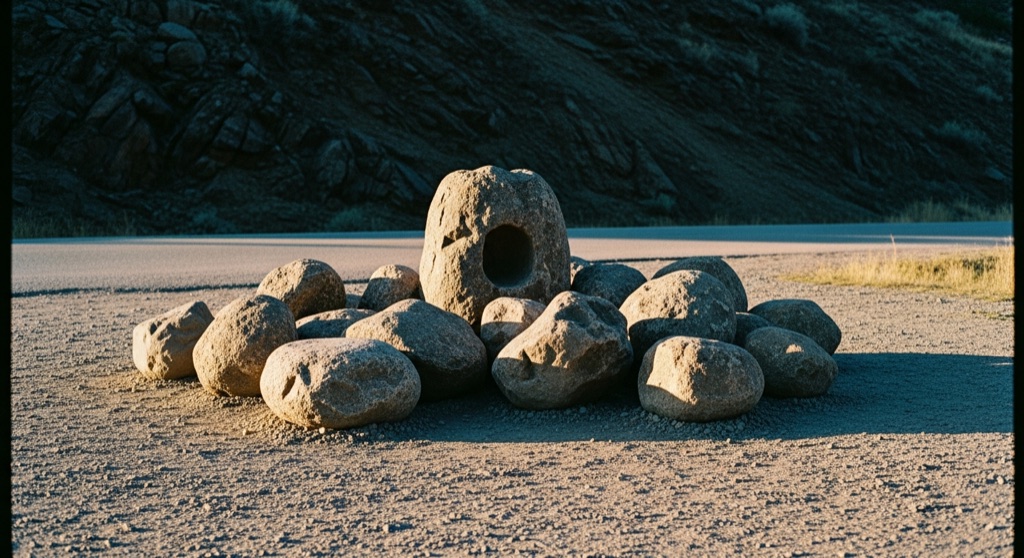
Up a rough gravel road east of Butte sits a pile of weathered boulders that chime like bells when struck with a hammer, one of only a few publicly accessible sites of its kind in the United States. The ringing comes from the rocks' dense crystalline composition combined with the void space left as joints eroded, which lets the pile resonate like the hollow body of a drum; pull a rock out on its own and the clear tone fades to a dull, weak thud. Visitors bring their own hammers and tap out metallic notes from the otherwise ordinary-looking stones.
→ Three more weird outdoor & roadside oddities in Missoula — never the same twice
The story
Seventy-six million years ago, a subterranean magma pocket—a pluton—cooled into a dense, iron-rich igneous formation east of Butte. Eons of weathering eventually stripped away the surrounding topsoil, leaving a chaotic talus slope of gray boulders perched high above Pipestone. To anyone passing by, it looks like an ordinary, desolate pile of mountain scree. Strike one of the stones with a metal hammer, however, and it rings out with a crisp, metallic chime, sounding far more like a brass bell or an anvil than a chunk of granite.
The acoustic magic isn't just about the dense mineral recipe; it relies entirely on the structural geometry of the hillside. The boulders sit wedge-locked under deep internal stress, suspended over open void spaces that let the sound waves resonate through the pile like the body of a drum. Try to steal a piece as a souvenir, and the physics immediately fail: isolated from the rest of the stack, the rock loses its tension and reverts to a dead, flat thud. You can't take the music with you.
Because the site sits on Bureau of Land Management land, access is free and entirely self-guided. You won't find a visitor center or a ranger handing out mallets—just a pile of ancient stones waiting for whoever brought the right hardware.
What it's like
You'll pull off I-90 at Exit 241 and rattle up 3.5 miles of unpaved, heavily rutted BLM road that will make low-clearance sedans sweat. At the end of the road, there are no restrooms, no trash cans, and no running water—just a barren hillside and an unceremonious gravel pull-off. You'll want to bring a standard claw hammer or ball-peen hammer, wear sturdy boots for scrambling across loose, shifting rocks, and keep your ears open for black bears. Step carefully across the gaps, start tapping different boulders to find their distinct pitches, and remember to carry out every scrap of trash you bring.
The move: Pack a hammer, bump up the gravel road past Pipestone, and take turns making the boulders ring like a stone xylophone.
📍 Before you go About 175 miles southeast of Missoula via I-90, at the far edge of day-trip range. The final ~3.5 miles are rough gravel best for high-clearance vehicles; bring your own hammer and watch for bears. Bring water; no facilities.
- 📍 near Pipestone / Whitehall, MT
- 💸 Free
- ⚡ Up for anything
- 🌗 Outdoors
Where: Off I-90 Exit 241 (Pipestone), ~3.5 mi up gravel roads, MT
Hours: Added 2026-06-24 — confirm current hours before you go.
⚠ Seasonal or scheduled — always check before you go.
Pair it with
- Anaconda Smelter Stack (The Big Stack) — Break up the drive along I-90 by pairing the geological resonance of Pipestone with the world's tallest freestanding brick structure in Anaconda.
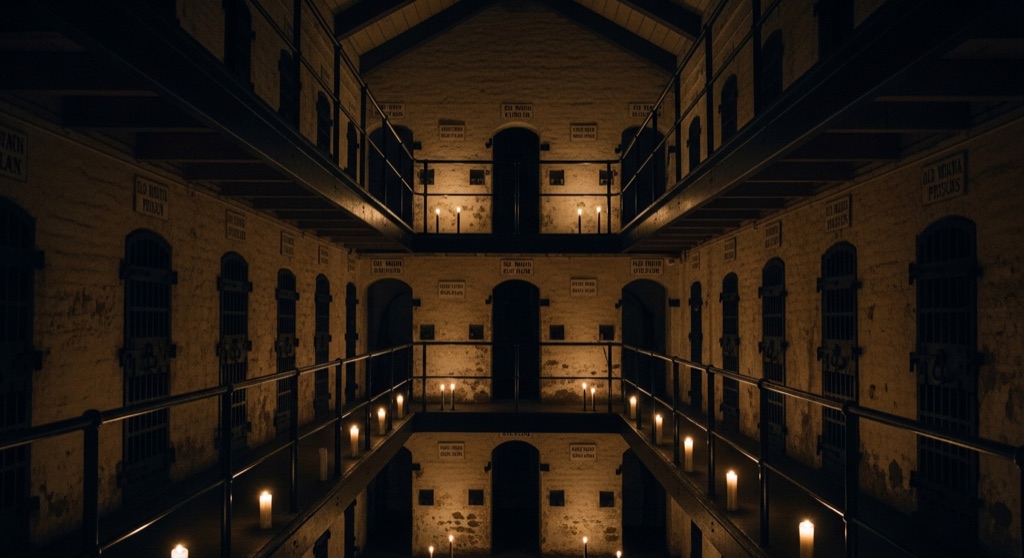
- Old Montana Prison Ghost Tours — Stop in Deer Lodge along the way to match the outdoor weirdness of Ringing Rocks with a walk through a cell house built in 1871.
- Granite Ghost Town State Park — Combine two unpaved detours off the highway to see abandoned 19th-century silver ruins high above Philipsburg.
More weird in Missoula


Good to know
Do I need to bring my own tools?
Yes. There are no rental kiosks or gear loaners on site, so pack a metal hammer or small sledge from your garage.
Can standard passenger cars reach the rock pile?
It's risky. The final 3.5 miles past Pipestone are rough, unpaved gravel with deep ruts and sharp stones. High-clearance vehicles or AWD are strongly recommended.
Why don't the rocks chime if you take them home?
The chime requires the physical tension and void spaces of the boulder pile to act as a resonance chamber. Once isolated, the stone dampens vibrations and only produces a dull thud.
Are there any fees or facilities at Ringing Rocks?
No. The site is free public land managed by the BLM, but there are no restrooms, shade structures, or drinking water sources available.
Plan a visit & invite your people →
Further reading: blm.gov · mtpr.org · Atlas Obscura · distinctlymontana.com
last checked: 2026-06-24