Entry No. 154 — the Denver file — filed under: 1878-opera-house
Central City Opera House
“still nudges visitors backstage with a strong whiff of alcohol in tow”
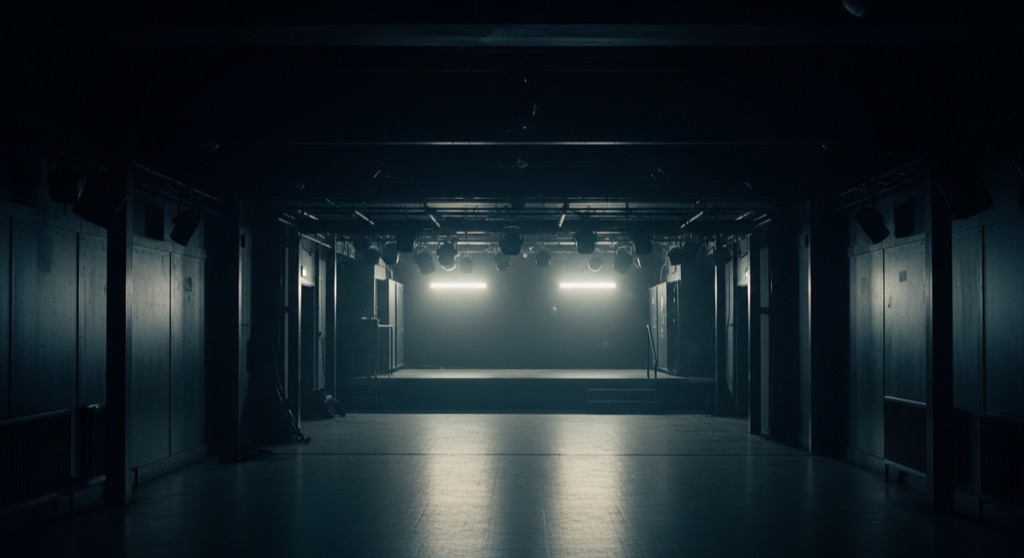
Built by Welsh and Cornish miners in 1878 and one of the oldest professional opera companies in the country, this intimate 550-seat stone jewel-box theater hosts a summer festival each year and is famously stalked by the ghost of Mike Dougherty — a miner-turned-performer who drank himself to death and reportedly still nudges visitors backstage with a strong whiff of alcohol in tow.
→ Three more underground music & performance in Denver — never the same twice
The story
In 1878, Welsh and Cornish miners working the gold veins around Central City decided their boomtown needed more than saloons and amateur singing societies. They raised over $20,000 to construct a permanent 550-seat stone opera house at 8,500 feet elevation. Built with thick stone masonry and painted ceiling frescoes, the building was designed to endure harsh Rocky Mountain winters and survive the fires that wiped out timber-built frontier structures. In its early days, patrons were known to toss raw gold and silver nuggets onto the stage during encores.
The theater's phantom reputation belongs largely to Mike Dougherty, a miner-turned-stage-performer who became a local favorite in the mid-1860s before drinking himself to death. Stagehands, performers, and late-night tour groups report sudden cold spots in the corridors, footsteps pacing the empty balcony, and a sudden, distinct draft of heavy whiskey odor paired with a firm nudge on the shoulder. On dark non-performance nights, caretakers have watched light orbs float across the unlit stage.
After mining collapsed and the house spent years relegated to silent movies, the building was donated to the University of Denver in 1931 and reopened in 1932 with Lillian Gish starring in Camille. It remains the fifth-oldest professional opera company in the United States. Inside, the acoustic design bounces raw, unamplified vocals directly off the stone walls into an audience sitting just feet from the orchestra.
What it's like
Driving up the steep Central City Parkway delivers you right onto Eureka Street, where the heavy stone building sits framed by historic brick facades. Inside, the 550-seat auditorium feels compact, with steep sightlines and supertitle screens mounted beside the stage so you can follow the plot without speaking Italian or German. The catch? Victorian-era proportioning means narrow seating rows and modest legroom; tall visitors should book aisle seats or stretch their legs on the uphill patio during intermission. Park for free in the casino garage a block downhill, leave Denver early to beat mountain traffic on I-70, and grab a drink next door before showtime.
The move: Catch a performance during the 2026 summer festival (June 27–August 2) — options include Mozart's Marriage of Figaro or the Colorado classic Ballad of Baby Doe — then linger for a backstage area walk or the Haunted History Tour to hunt for Mike Dougherty's floating orbs and unexplained cold spots.
📍 Before you go It's a 35-mile mountain day trip from Denver: take I-70 to Exit 243, then the scenic 8-mile Central City Parkway, turning onto Main and up Eureka Street. Crucially, this is a summer-festival house — outside the season (roughly late June through early August, but check what's actually staged before committing to the drive) there may be nothing on, so confirm the program first. Mountain traffic runs unpredictable, so leave early. Free covered parking sits at the casino a block downhill, and a reserved lot adjoins the house. Pair it with the historic gold-rush district's walkable streets and the Gilpin History Museum.
- 📍 Central City
- 💸 $$
- ⚡ Up for anything
- 🌗 Indoors
Where: 124 Eureka St, Central City, CO 80427
Hours: Mined 2026-06-07 — confirm current hours before you go.
Pair it with
- The Face on the Barroom Floor — Located right next door inside the Teller House saloon, where you can view the famous floor painting commissioned after a 1936 artist spat.
- Central City Masonic Cemetery (Woman in Black) — A mile away on a ridge overlooking town, this 1860s burial ground holds 373 graves of early miners alongside local ghost lore.
- Edgar Experimental Mine — Head four miles down to Idaho Springs to tour a real underground research mine run by engineering students, contrasting refined opera culture with raw rock drilling.
- Indian Hot Springs Geothermal Caves — Unwind after the opera by soaking in pitch-dark geothermal cave pools carved directly into the mountainside down in Idaho Springs.
More weird in Denver
Good to know
When is the Opera House open to the public?
The house operates primarily during its summer festival season, which runs from late June through early August (such as June 27–August 2). Outside of festival performances and scheduled events like the Haunted History Tour, the interior theater is closed, so verify show dates on their program before driving up.
Where should I park and how do I get there from Denver?
Take I-70 West from Denver to Exit 243, then follow the 8-mile Central City Parkway into town and turn onto Eureka Street. Free covered parking is available in the casino garage one block downhill, or you can use the reserved lot adjacent to the Opera House if you have a permit.
What is the dress code for performances?
There is no enforced dress code. Audience members wear everything from evening suits and cocktail dresses to mountain-casual jeans and jackets. Because Central City sits at 8,500 feet elevation, bring a sweater or coat for when temperatures drop after dark.
Is the Opera House wheelchair accessible?
Yes. Accessible ground-floor seating is located on the main floor of the auditorium and is accessed via the patio entrance on the uphill side of the building.
Plan a visit & invite your people →
Further reading: Official site · Yelp
last checked: 2026-06-07