Entry No. 67 — the Colorado Springs file — filed under: haunted
The Charnel Box
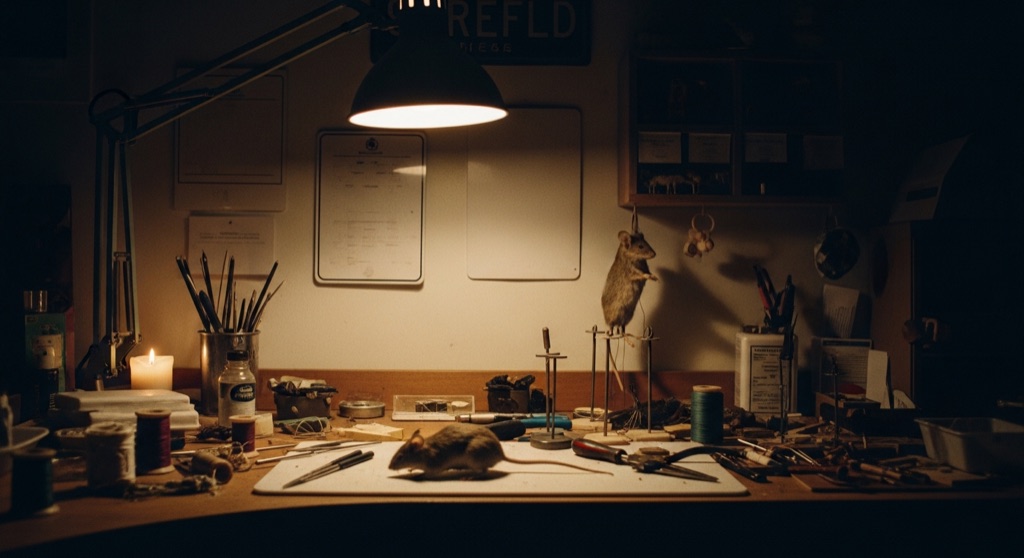
This is full-on small-mammal taxidermy taught in an intimate home studio south of downtown. The five-hour Foundations Workshop ($175/person) walks you through real skills on a mouse specimen and sends you home with a finished mount, and graduates can return for Bring-Your-Own-Specimen sessions (mammals only). Bird taxidermy and wet-specimen preservation classes are in the works too. Sessions are tiny, scheduled in occasional batches, and routinely sell out; the exact address is sent 72 hours before class. About as hands-on and unusual as a date gets.
→ Three more hands-on workshops & classes in Colorado Springs — never the same twice
The story
Sal (Sally Piette) started working with dead specimens over a decade ago out of a drive to turn organic remnants into sculpted art. Operating out of a private residence in Ivywild, her operation includes a working colony of thousands of flesh-eating dermestid beetles used to clean bones down to the suture lines. Sourcing is strictly ethical: workshop rodents come from feeder stock or post-scientific study specimens, while wilder finds are salvaged from local roadkill.
The entry point is the five-hour Foundations Workshop ($175), a methodical walk through small-mammal preservation. Sal hands you a scalpels-and-pins toolkit alongside a four-inch mouse specimen, then guides you through a five-step pipeline: peeling the pelt and inspecting internal anatomy, rubbing in drying agents, taking a twenty-minute breather while the hide sets, building a wire armature form, and sewing the hide back together before posing the creature with miniature accessories.
Because the studio is literally inside a residential home about five miles south of downtown Colorado Springs, you won't get a street address when you book; it drops into your inbox precisely 72 hours before class. Finish Foundations, and you unlock the Bring-Your-Own-Specimen (BYOD) workshops, where returning graduates bring frozen-and-thawed mammals to mount under Sal's supervision.
What it's like
You'll roll up to a quiet residential street in Ivywild, step inside a working home studio, and pull up a chair around a table equipped with scalpels, wire, and drying powders. The room feels more like a cozy, eccentric craft lab than a morgue—surprisingly low on blood, deeply tactile, and heavy on meticulous anatomical work. During the mid-class break, you might get a peek at ongoing bone-cleaning projects or the beetle tanks. The main catch is availability: seats are tiny, drop in occasional batches, and sell out almost instantly, meaning newsletter monitoring is non-negotiable if you want in.
The move: Spend an afternoon learning to mount a small specimen together and walk out with a finished piece you both built.
📍 Before you go Sessions sell out; Foundations is the prerequisite for advanced workshops. Join the newsletter for the next date. Address shared 72 hours out.
- 📍 Ivywild, Colorado Springs
- 💸 $$
- ⚡ Up for anything
- 🌗 Indoors
Where: Home studio ~5 miles south of downtown (Ivywild area); exact address sent 72 hours before class
Hours: Added 2026-06-23 — confirm current hours before you go.
⚠ Seasonal or scheduled — always check before you go.
Pair it with
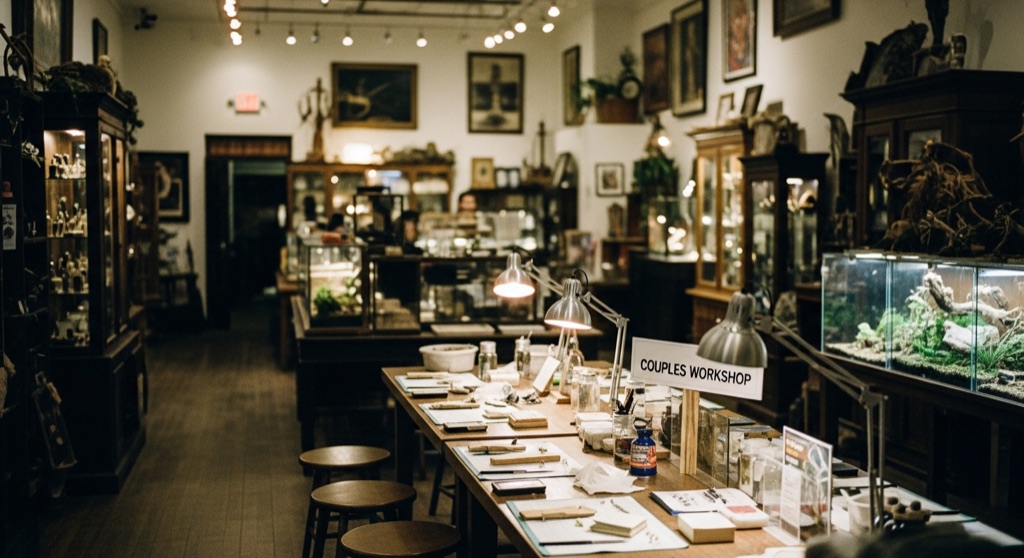
- Novis Mortem Collective (classes by The Terrorium Shop) — Pair your hands-on mouse mounting session with a trip downtown to inspect pinned insects and preserved botanicals in a gallery setting.
- Cronk Art & Curiosities — Keep the strange momentum going after class by browsing framed beetle taxidermy, tarot cards, and live tarantulas in downtown Colorado Springs.
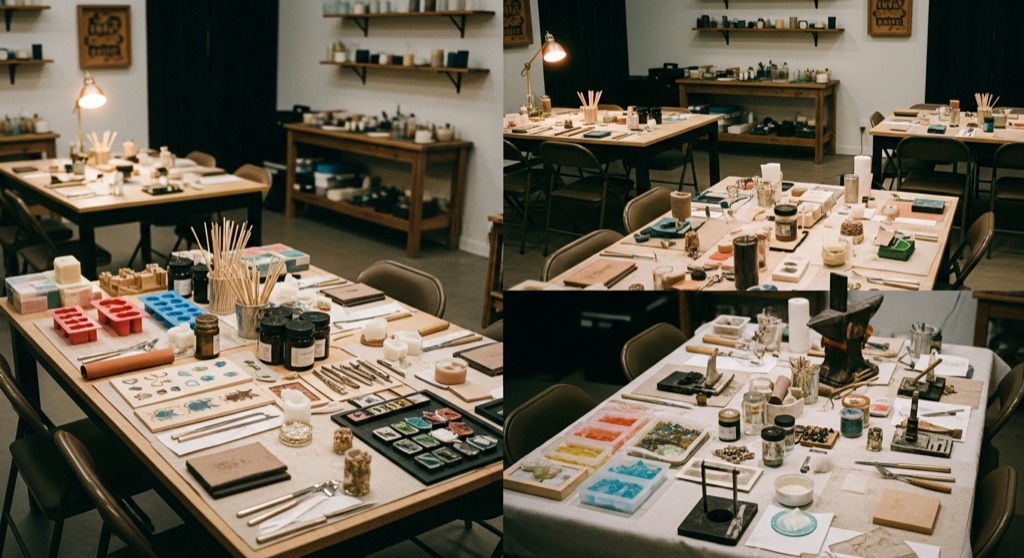
- Kilroy's Workshop — Trade scalpel work for heavy ironwork by heading over to hammer hot steel on an anvil at an 11,000-square-foot trade forge.
More weird in Colorado Springs
Good to know
Do I need any previous taxidermy experience?
None at all. The Foundations Workshop is built for complete beginners aged 12 and up (minors need parental consent), covering everything from pelt removal to final posing.
Where do the animal specimens come from?
Workshop mice and rats are ethically sourced from post-scientific study programs or feeder stock, while larger animal bones processed in the studio are salvaged from wild roadkill or legally acquired remains.
When do I get the address for the studio?
Because classes take place in a private residential studio in Ivywild, the exact street address is emailed to registered participants 72 hours prior to the workshop.
Can I bring my own specimen to class?
Only if you have already completed the Foundations Workshop prerequisite and registered for a Bring-Your-Own-Specimen (BYOD) class, which accepts frozen-and-thawed mammals (birds are excluded).
Plan a visit & invite your people →
Further reading: Official site · Facebook
last checked: 2026-06-23