Entry No. 103 — the Chicago file — filed under: haunted
Eastland Disaster Site & Memorial Marker
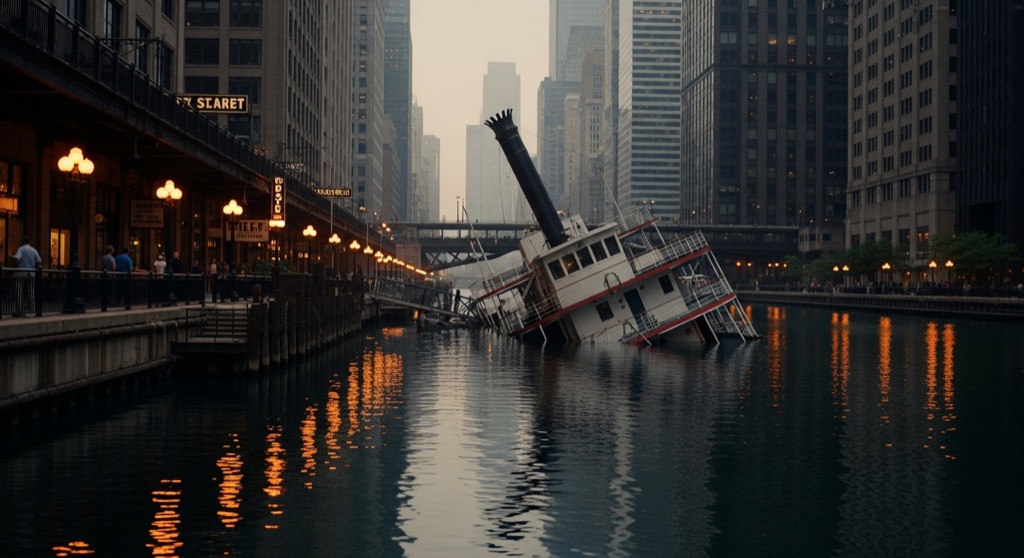
On the morning of July 24, 1915, the SS Eastland rolled onto its side right here in barely 20 feet of water, 20 feet from the wharf, drowning 844 passengers -- more deaths than any single disaster in Chicago history -- an event now marked only by a small plaque along the river that most Loop commuters walk past without a second look.
→ Three more haunted places & dark-history spots in Chicago — never the same twice
The story
On the morning of July 24, 1915, over 2,500 Western Electric employees and their families gathered on the south bank of the Chicago River between Clark and LaSalle streets. They were boarding the SS Eastland for an annual company picnic trip across Lake Michigan to Michigan City, Indiana. Most were working-class Czech, Polish, and Hungarian immigrants dressed in their Sunday best. By 7:10 a.m., the ship was fully loaded, but it was already leaning away from the wharf.
Ironically, safety rules enacted after the Titanic disaster three years earlier made the Eastland far more dangerous. To comply with federal mandates, heavy lifeboats had been added to the top deck, exacerbating the ship's notorious top-heavy design flaws. At 7:28 a.m., while still tied to the dock and barely nineteen feet from the shore, the Eastland lurched violently to port and rolled onto its side into twenty feet of river mud. In less than two minutes, trapped underneath heavy furniture, crushed stairways, and rushing water, 844 passengers and crew drowned or suffocated in broad daylight.
Despite claiming more lives than the Great Chicago Fire, the calamity was quickly shoved under the rug of city memory—partly because the victims were immigrant factory workers rather than Gilded Age elites. For nearly 75 years, not a single plaque marked the scene. Today, only a modest bronze marker along Wacker Drive notes the spot where Chicago's grimmest day unfolded, completely overlooked by thousands of unsuspecting Loop commuters every afternoon.
What it's like
Finding the marker takes a sharp eye along the bustling sidewalk near the Clark Street Bridge. There are no velvet ropes or ticket booths here—just a modest plaque mounted beside Wacker Drive where tour boats slice through the water and office workers eat lunch on benches. Standing at the railing and looking down into the calm green water, you realize the entire catastrophe played out right at arm's length from dry land. Visit early in the morning or near dusk when the downtown crowds thin out and you can read the marker in peace.
The move: Walk the Riverwalk to the Clark Street marker and picture a fully loaded excursion steamer capsizing at the dock in broad daylight, then keep walking toward the Michigan Avenue bridges where the story is never mentioned.
- 📍 The Loop / Chicago River
- 💸 $$
- ⚡ Up for anything
- 🌗 Indoors
Where: Chicago River at the Clark Street Bridge, Chicago, IL
Hours: Added 2026-07-19 — confirm current hours before you go.
Pair it with
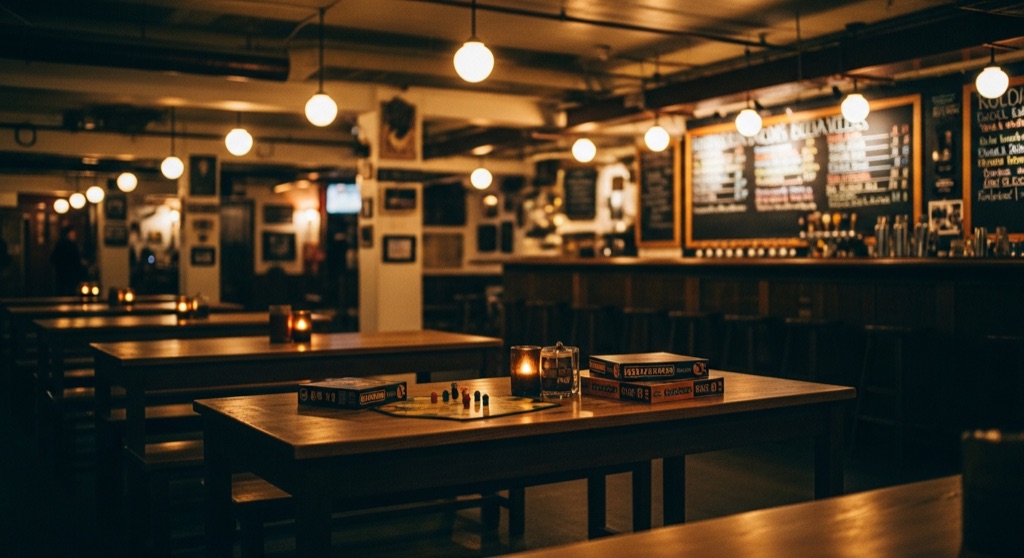
- Three Dots and a Dash — A short walk north across the river leads to this hidden subterranean tiki bar, offering a dark contrast and a quick reset after reflecting on riverfront tragedy.
- The Drifter — Head six blocks into River North to sip cocktails in a basement speakeasy tucked beneath the Green Door Tavern, one of the few wooden structures erected right after the Great Chicago Fire.
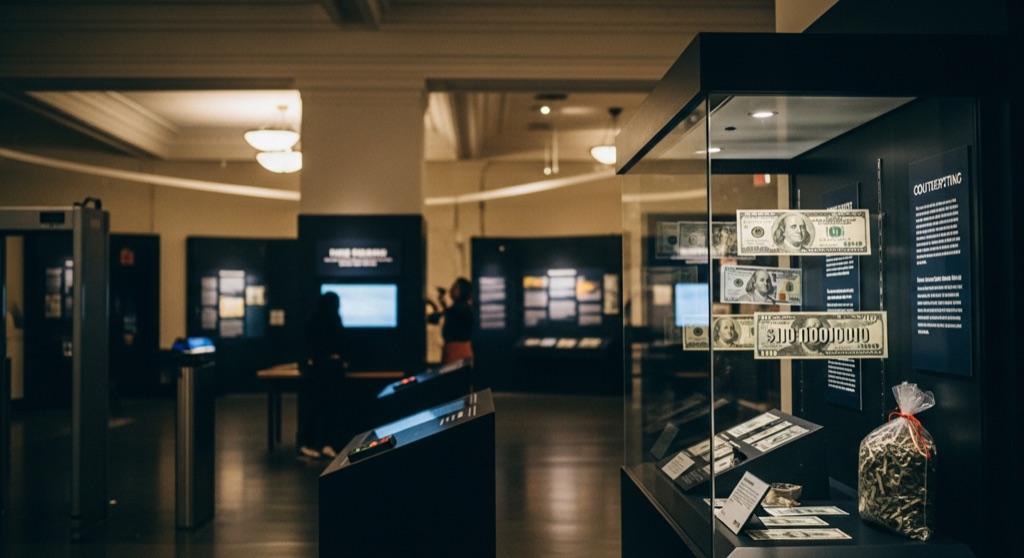
- Chicago Fed Money Museum — Walk a few blocks south down LaSalle Street into the heart of the Loop to explore this free, single-subject money museum inside the Federal Reserve Bank.
- Tao Chicago (former Chicago Historical Society Building) — Walk five minutes north to admire this imposing 1892 Richardsonian Romanesque fortress, originally built as the Chicago Historical Society's headquarters.
More weird in Chicago
Good to know
Where is the Eastland disaster memorial marker located?
The plaque is located on the south bank of the Chicago River along Wacker Drive near the Clark Street Bridge in the Loop.
How much does it cost to visit the memorial site?
It is completely free to visit, as the marker is mounted along a public city sidewalk accessible 24 hours a day.
Why did the SS Eastland roll over at the dock?
The ship suffered from severe top-heavy stability flaws, which were made worse by upper-deck lifeboats added after the Titanic disaster. When thousands of passengers crowded the decks, the ship listed uncontrollably and capsized in 20 feet of water.
What happened to the ship after the disaster?
The SS Eastland was raised three weeks later, sold, converted into a naval training vessel named the USS Wilmette, and eventually scrapped after World War II.
Plan a visit & invite your people →
Further reading: Wikipedia · chicagology.com
last checked: 2026-07-19