Entry No. 15 — the Boise file — filed under: history
Basque Museum & Cultural Center (Cyrus Jacobs-Uberuaga House)
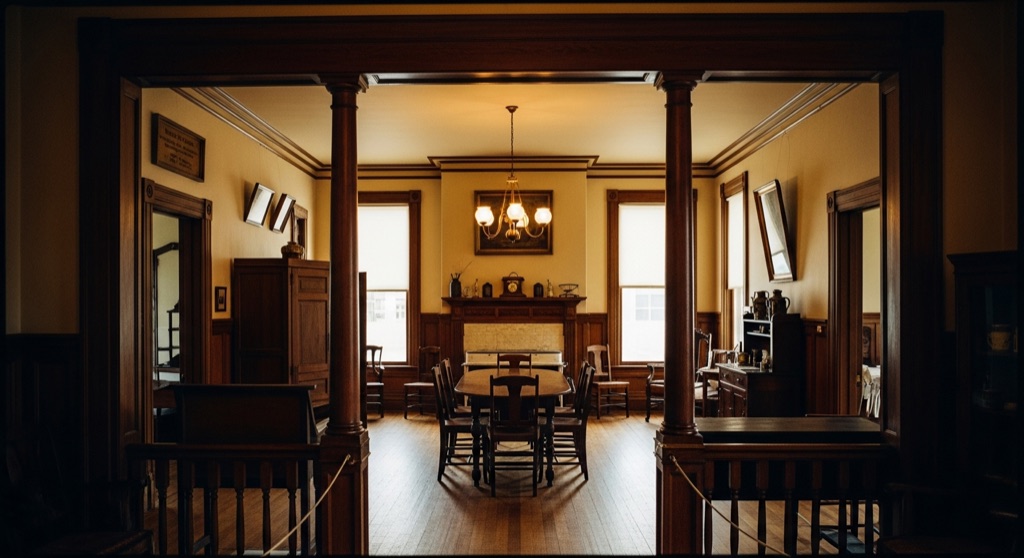
Boise holds one of the densest Basque populations outside the homeland straddling Spain and France, and this is the only Basque museum in the United States. Its centerpiece is the Cyrus Jacobs-Uberuaga House, built in 1864 and the oldest surviving brick dwelling in Boise, which became a boarding house giving sheepherders a home away from home from 1910 until 1969. Guided tours walk you through the preserved rooms where Basque immigrant families cooked and housed boarders, with archives of oral histories and photographs documenting a very specific slice of the American West.
→ Three more oddity shops & curiosities in Boise — never the same twice
The story
In 1864, Charles May built a two-story red-brick home at 607 Grove Street for Cyrus Jacobs, a merchant who went on to become Boise's mayor. It was a grand local residence—so grand that in 1895, future U.S. Senator William Borah married the governor's daughter, Mamie McConnell, in the front parlor. But the building's true legacy began in 1910 when it stopped being a single-family mansion and reopened as a boarding house for young Basque immigrants, operated first by the Galdos and Bicandi families, and taken over in 1917 by Jose and Hermenegilda Uberuaga.
For nearly six decades until 1969, thousands of young sheepherders and dam laborers fresh off the boat from the Pyrenees squeezed into these rooms. If you look closely at the exterior brick porch, you can still see dark match-strike marks scraped directly into the brickwork where tired boarders flicked matches to light their cigarettes. In 1983, local preservationist Adelia Garro Simplot bought the house to save it from urban-renewal demolition, handing it over to establish the Basque Museum & Cultural Center, which expanded next door to 611 Grove Street in 1993.
What it's like
Start at 611 Grove Street on the brick-paved Basque Block to buy your $7 ticket and browse the main museum's exhibits, which include a restored wooden Basque sheep wagon and extensive oral history archives. The real highlight, though, is taking the tour next door into the 1864 Cyrus Jacobs-Uberuaga House. Walking through the narrow hallways and tight bedrooms furnished as they were during its peak boardinghouse era gives you an unvarnished look at immigrant life in the West. The catch: interior house access is tour-only, so check the day's schedule beforehand. Tip: when you finish, step right outside onto the Basque Block to grab a glass of wine and a plate of croquetas at the market across the street.
The move: Take the guided house tour, then split a plate of croquetas and a glass of Basque wine on the Basque Block right outside.
📍 Before you go House interior is tour-only; the Jacobs-Uberuaga House has specific guided-tour times, so check the schedule before going.
- 📍 Downtown Boise (the Basque Block)
- 💸 $
- ⚡ Up for anything
- 🌗 Indoors
Where: 611 Grove St (house at 607 Grove St), Boise, ID 83702
Hours: Added 2026-06-24 — confirm current hours before you go.
⚠ Seasonal or scheduled — always check before you go.
Pair it with
- Pengilly's Saloon — Walk one block over to Pengilly's Saloon to grab a drink behind their 100-plus-year-old Brunswick backbar after finishing your historic house tour.
- Egyptian Theatre — Pair your museum outing with a movie or live show just around the corner under the 1927 Egyptian Revival painted ceilings.
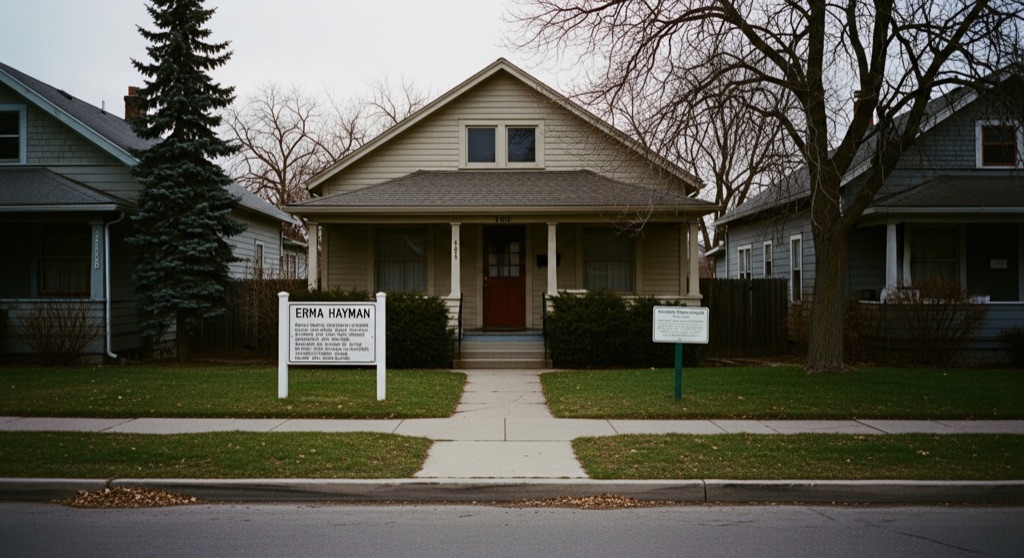
- Erma Hayman House — Head half a mile southwest to visit another micro-museum preserving an unsung chapter of Boise's working-class neighborhood history.
More weird in Boise
Good to know
Where is the museum located?
The main Basque Museum exhibit center is at 611 Grove Street in downtown Boise, with the historic Cyrus Jacobs-Uberuaga House situated right next door at 607 Grove Street.
How much is admission?
Admission is $7 for adults, $6 for seniors (65+) and students, $5 for children ages 6 to 12, and free for children 5 and under.
Can I tour the historic house on my own?
Access to the interior of the historic Cyrus Jacobs-Uberuaga House requires a guided tour, so verify the current tour times before visiting.
Why is the house historically significant?
Built in 1864, it is the oldest surviving brick dwelling in Boise, and it served as the cultural epicenter for Idaho's Basque sheepherders as a boarding house from 1910 to 1969.
Plan a visit & invite your people →
Further reading: Official site · Wikipedia · visitidaho.org · boisedev.com · idahoarchitectureproject.org
last checked: 2026-06-24