Entry No. 38 — the Oklahoma City file — filed under: abandoned
Hopewell Baptist 'Teepee' Church
“built by oil-field workers using 1,000 tons of salvaged drill pipe”
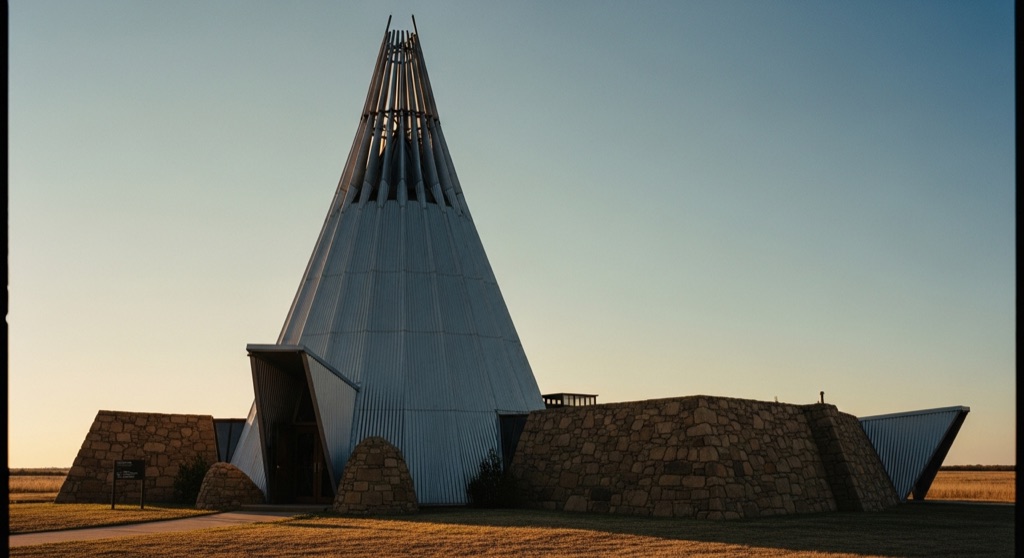
Bruce Goff's 1948 "Teepee Church" is a genuine mid-century modernist landmark: a conical 80-foot-tall sanctuary built by oil-field workers using 1,000 tons of salvaged drill pipe and pie-tin chandeliers, listed on the National Register of Historic Places in 2002 and now a picturesque ruin under slow restoration by the Hopewell Heritage Foundation as a future event center. The structure stands, the grounds are accessible, and it has been featured in TIME magazine and by Atlas Obscura as a worthy road-trip stop.
→ Three at a time, never the same twice — explore weird Oklahoma City
The story
Bruce Goff was never interested in standard church architecture. In 1948, when a small rural congregation in northwestern Oklahoma County needed a place to worship, Goff designed an 80-foot conical spire shaped like a teepee and constructed it out of whatever salvaged materials the local community could scrape together. That meant roughly 1,000 tons of oilfield drill pipe welded together by local oil workers, clad in corrugated aluminum and native stone, and finished inside with light fixtures fashioned from pie tins.
It stands at the corner of NW 178th Street and MacArthur Boulevard as a strange industrial cone rising straight out of rural red dirt. TIME magazine wrote about it, and in 2002 the structure landed on the National Register of Historic Places. The congregation eventually outgrew the space and built a conventional brick facility right next door, leaving Goff's cone to rust, but the Hopewell Heritage Foundation is currently working through a slow stabilization effort to convert the ruin into a future event space.
What it's like
When you pull up along the gravel shoulder of NW 178th Street, the sheer scale hits you first—80 feet of exposed drill pipe and corrugated metal rising above the flat prairie sky. The interior remains fenced off for safety while restoration drags on, so you will be taking in the geometry strictly from the exterior perimeter. Because an active congregation operates out of the modern building right beside the ruin, keep your visit low-profile and stay off the active church lawns. Aim for late afternoon into golden hour, when the low Oklahoma sun hits the raw aluminum panels and casts long shadows through the steel skeletal trusses.
The move: Drive out to the rural NW Edmond site, walk the exterior perimeter to take in the wild geometric silhouette of pipe and stone rising from the Oklahoma prairie, and photograph the corrugated aluminum cone at golden hour — then pair it with a stop at one of the farm-to-table spots in downtown Edmond for dinner afterward.
📍 Before you go The site sits well north of Edmond proper on a rural stretch of NW 178th Street, so plan on a drive and roadside parking rather than a dedicated lot. The eye catching conical teepee is the original Goff sanctuary, and a plainer, still active congregation building stands right beside it, so treat the grounds as someone working church property and keep to the exterior, since the interior remains fenced off under ongoing restoration. Late afternoon into golden hour lights the corrugated aluminum cone best and makes for the strongest photos. Roll it into a downtown Edmond dinner or coffee stop on the way back.</know_before> </invoke>
- 📍 Edmond
- 💸 Free
- ⚡ Up for anything
- 🌗 Outdoors
Where: 5801 NW 178th St., Edmond, OK 73025
Hours: Mined 2026-06-07 — confirm current hours before you go.
Pair it with
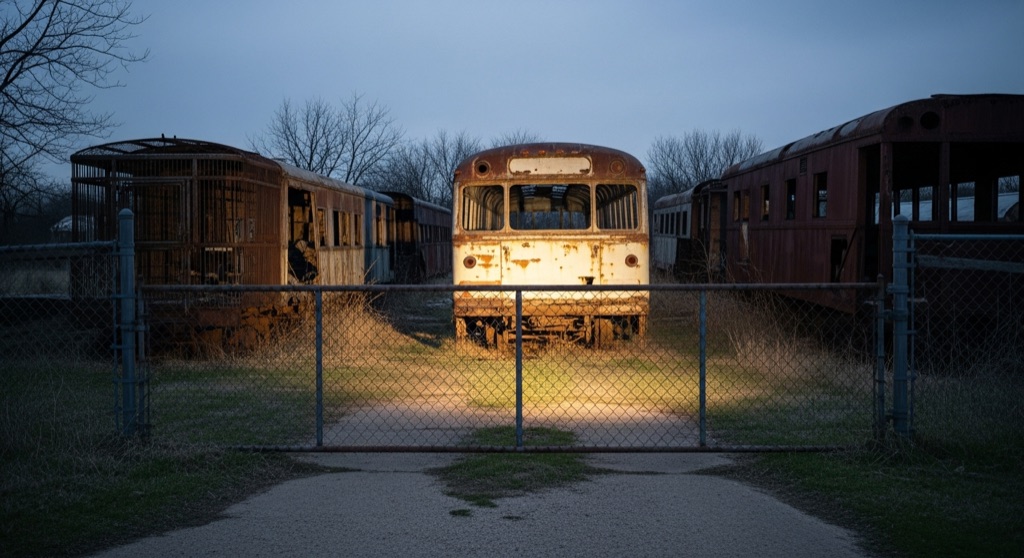
- Gandini's Circus Ruins — Pair one Edmond ruin with another by driving seven miles east to see the rusted cages and crumbling winter quarters of an early-1900s circus.
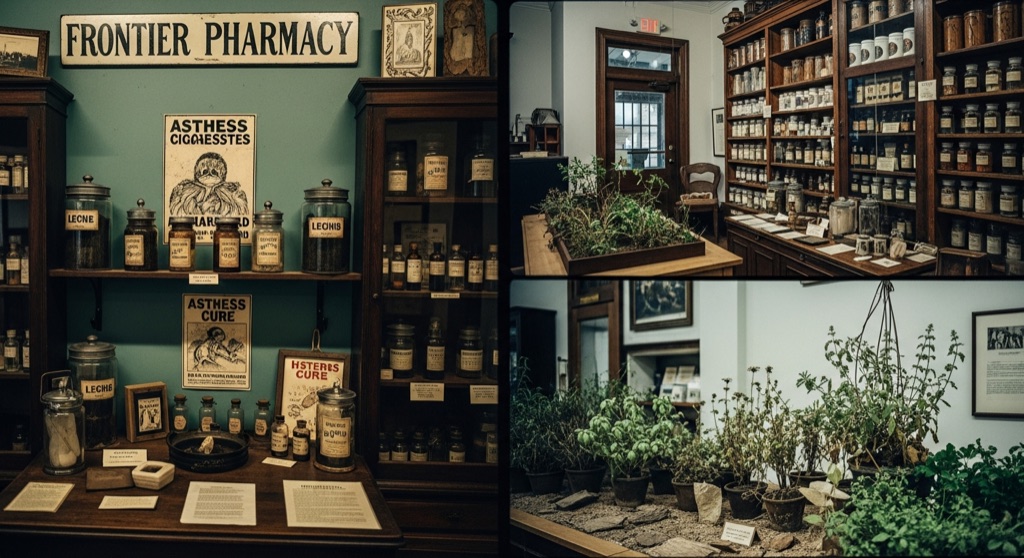
- Alley Records — Trade a wind-swept rural architectural oddity for a cozy, speakeasy-style record shop hidden down an alley in far north OKC.
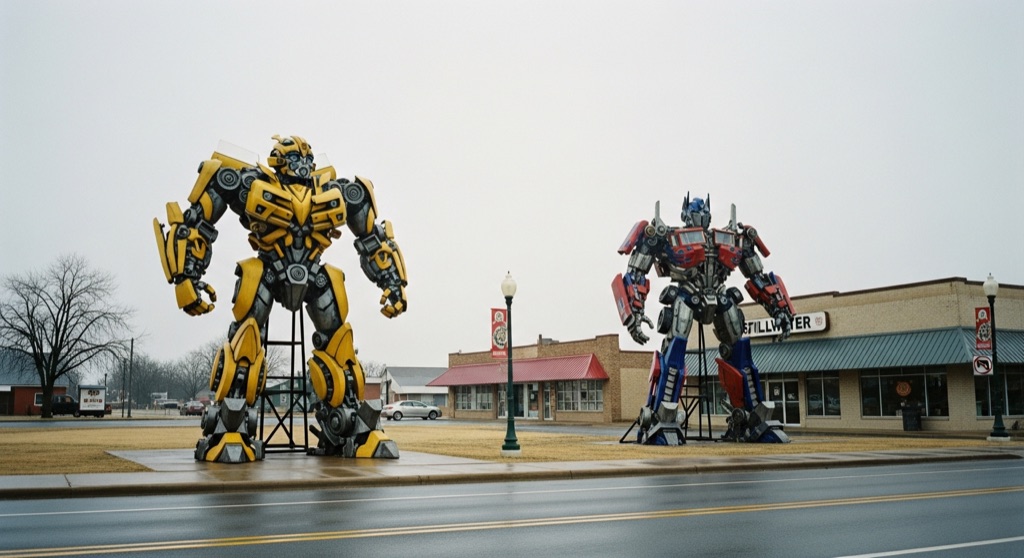
- Big Toothbrush and Toothpaste — Keep your roadside photo tour going by heading south into the city to see a twelve-foot metal toothbrush leaning next to a giant toothpaste tube.
More weird in Oklahoma City
Good to know
Can you go inside the Teepee Church?
No. The interior of the conical sanctuary is fenced off and closed to visitors due to safety concerns and ongoing restoration work by the Hopewell Heritage Foundation. You can view and photograph it from the exterior perimeter.
Where do you park when visiting?
There is no dedicated parking lot for the historical site. Plan on pulling safely onto the roadside shoulder along NW 178th Street or MacArthur Boulevard.
What materials were used to build it?
The sanctuary was constructed using 1,000 tons of salvaged oilfield drill pipe, corrugated aluminum sheeting, native stone, and pie-tin chandeliers built by local oilfield workers.
Is there an active church operating on the property?
Yes. A plainer, modern church building stands beside the original Goff sanctuary and hosts an active congregation, so keep your visit respectful of the working facility.
Plan a visit & invite your people →
Further reading: Wikipedia · Atlas Obscura · Official site · abandonedok.com · okcmod.com
last checked: 2026-06-07