Entry No. 8 — the Memphis file — filed under: history
Sultana Disaster Museum
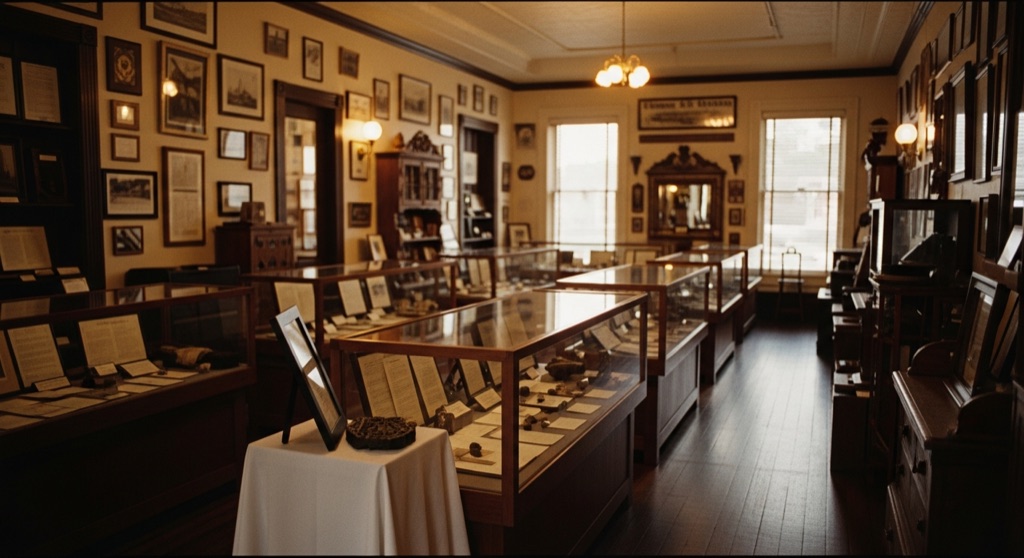
A small storefront museum ten minutes across the river holds furnace bricks, shaker plates, and other relics pulled from the Mississippi — wreckage of the steamboat Sultana, which exploded seven miles north of Memphis in April 1865 packed with just-released Union POWs and killed more people than the Titanic, in what's still the deadliest maritime disaster in U.S. history and one almost nobody has heard of.
→ Three more unusual museums & collections in Memphis — never the same twice
The story
On April 27, 1865, the wooden steamboat Sultana was pushing against a flooded Mississippi River seven miles north of Memphis, legally rated to carry 376 people but stuffed with over 2,000 recently released Union prisoners of war. Around 2:00 AM, three of its four leaky boilers ruptured in a blinding firestorm. More than a thousand men—already emaciated from months in Andersonville and Cahaba prison camps—were scalded by steam, crushed by falling decks, or thrown into the freezing river. It remains the deadliest maritime disaster in United States history, killing more people than the Titanic.
You almost certainly haven't heard of it because of bad timing and news cycles. The blast happened in the chaotic wake of the Civil War, just days after Abraham Lincoln's assassination and the killing of John Wilkes Booth, swallowing the story whole. Over the decades, the river shifted course, burying the physical ship under mud and crop fields on the Arkansas side. The museum in Marion exists solely because local preservationists clawed fragments back out of the earth: scorched furnace bricks, twisted iron shaker plates, personal pocket watches frozen at the moment of the blast, and letters written by the survivors who watched the river burn.
What it's like
Drive across the Hernando de Soto Bridge into Marion and you'll find the interim museum operating out of a quiet storefront on Washington Street. It's sparse and straightforward—no loud interactive displays or crowd traps, just glass cases crammed with heavy iron wreckage salvaged from the mud and meticulous documentation of the kickbacks and army bribery that allowed the boat to leave port dangerously overloaded. A massive, permanent home in the town's renovated historic gymnasium is slated to open in late 2026, but visiting the current space gives you a close, unvarnished look at the relics before the big grand-opening crowds arrive. Double-check operating hours before heading over, then drive out to the nearby roadside historical marker near the fields where the boat actually went down.
The move: Drive across the Hernando de Soto Bridge to Marion, walk the interim exhibit of recovered wreckage and survivor letters before the permanent gymnasium-building museum opens, and read the roadside historical marker near where the boat actually went down.
- 📍 Marion, Arkansas
- 💸 $$
- ⚡ Up for anything
- 🌗 Indoors
Where: 104 Washington Street, Marion, AR 72364 (current interim storefront; a larger permanent museum in the renovated Marion gym opens Nov 14, 2026)
Hours: Added 2026-07-20 — confirm current hours before you go.
Pair it with
- The Cotton Museum at the Memphis Cotton Exchange — Cross back over the river to see where the raw commercial trade that drove Mississippi steamboat traffic was conducted on the original exchange floor.
- National Ornamental Metal Museum (the Metal Museum) — Pair the rusted boiler iron salvaged from the riverbed with active blacksmithing fires and ironworks perched on the Memphis river bluffs.
- Tom Lee Park — river-creature playground & Tom Lee memorial — Head down to the Memphis riverfront afterward to visit a park named for another legendary Mississippi River disaster and rescue story.
More weird in Memphis
Good to know
How many people died in the Sultana explosion?
An estimated 1,100 to nearly 1,200 people died when the boilers exploded, making it worse than the sinking of the Titanic in terms of U.S. maritime loss of life.
Where is the actual wreckage of the Sultana now?
Because the Mississippi River shifted its channel over the last 150 years, the remains of the ship lie buried under silt and farm fields near Marion, Arkansas, rather than beneath open water.
When is the new, larger Sultana Disaster Museum opening?
The expanded permanent museum, housed in Marion's renovated historic gymnasium, is scheduled to open on November 14, 2026.
Why were so many people packed onto the boat?
Union officers and steamboat captains were paid federal stipends per soldier transported home, leading to corrupt arrangements that allowed over 2,000 men onto a boat built for under 400.
Plan a visit & invite your people →
Further reading: Official site · Wikipedia · thewynneprogress.com · memphistravel.com · localmemphis.com
last checked: 2026-07-20