Entry No. 9 — the Fort Collins file — filed under: soak
Steamboat Spring & the Mineral Springs Walking Tour
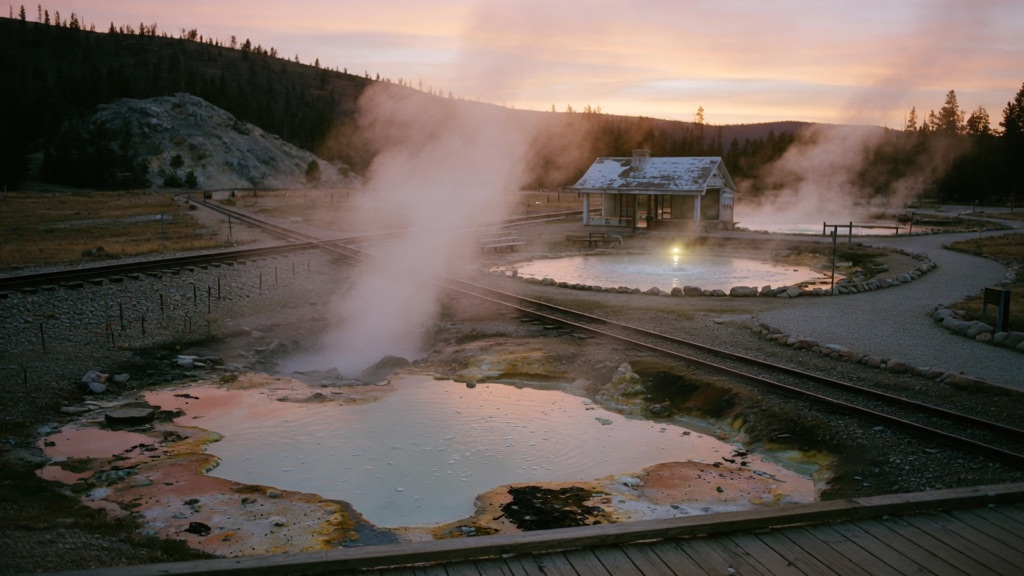
For thousands of years the Steamboat Spring chugged like a paddlewheeler—loud enough that trappers came down the Yampa looking for the boat. On June 25, 1908, crews dynamited the hillside for the Denver & Rio Grande grade and silenced it forever; the town kept the name anyway. The museum's walking map strings together nine survivors: Lithia, whose lithium-laced water doctors once prescribed for manic-depression; Soda, bubbling under its own park pavilion; Black Sulphur, smelling exactly how it sounds. The geyser's quiet remains sit right beside the tracks that killed it.
→ Three more unusual museums & collections in Fort Collins — never the same twice
The story
In the early 1800s, trappers descending the Yampa River heard a heavy, mechanical chugging bouncing off the valley walls and assumed a steamboat was fighting its way upriver. There was no boat. It was a natural geyser forcing subterranean gas and water through rock fractures with the rhythmic thump of a paddlewheel. The trappers named the spot Steamboat Springs, and for decades the chugging spring was the valley's defining acoustic landmark. That ended on June 25, 1908, when blast crews for the Denver & Rio Grande Railroad packed the hillside with dynamite to lay track. The detonation pulverized the spring's underground plumbing, choking off the pressure and silencing the noise forever. The town kept the name, leaving a quiet, mineral-crusted seep sitting right beside the iron rails that killed it.
The original geyser is dead, but the deep volcanic plumbing under downtown Steamboat is still very much active and leaking. The Tread of Pioneers Museum publishes a self-guided route connecting nine surviving mineral springs scattered along the river core and downtown streets. These aren't manicured hot tubs—most are cold or room-temperature seeps bubbling into concrete basins or wooden pavilions, each with its own specific chemical signature. Local doctors used to prescribe the lithium-dense water of Lithia Spring for manic depression; Soda Spring fizzes carbonated bubbles beneath a public park pavilion; and Black Sulphur Spring offends everyone within twenty yards with the sharp, unquestionable reek of rotten eggs.
What it's like
Park near the Depot Art Center on 13th Street or West Lincoln Park, grab the museum's walking map (or pull up their Google Maps version), and set out on foot. The loop is a flat, easy mile-and-a-half along sidewalks and the paved Yampa River Core Trail. Do not arrive expecting a soak: eight of the nine stops are strictly for sniffing, observing, or taking a cautious sip—though Yampatika leads guided walks on summer mornings if you want a local naturalist walking you through the chemistry. Cross over near 13th Street to stand right beside the train tracks and pay your respects to the mound of the original Steamboat Spring, then end your loop at Old Town Hot Springs to finally get into the warm water of Heart Spring.
The move: Grab the springs map at the Tread of Pioneers Museum, smell-test all nine springs along the loop, then finish with a soak over Heart Spring at Old Town Hot Springs.
📍 Before you go The loop is flat and roughly a mile and a half, mostly sidewalk and the paved Yampa River Core Trail, with the Steamboat Spring itself across the river beside the railroad tracks near 13th Street. Park once near the Depot Art Center at 1001 13th St or West Lincoln Park and walk everything from there; the Tread of Pioneers Museum publishes a printable map plus a Google Maps version. Most springs are cool seeps for sniffing and cautious sipping, not soaking—Yampatika leads guided versions on summer mornings, and the route pairs naturally with a finishing soak at Old Town Hot Springs.
- 📍 Steamboat Springs
- 💸 Free
- ⚡ Up for anything
- 🌗 Outdoors
Where: Start at Iron Spring, 12th St & Lincoln Ave (US-40); maps at Tread of Pioneers Museum, 800 Oak St, Steamboat Springs, CO 80487
Hours: Added 2026-06-11 — confirm current hours before you go.
Pair it with
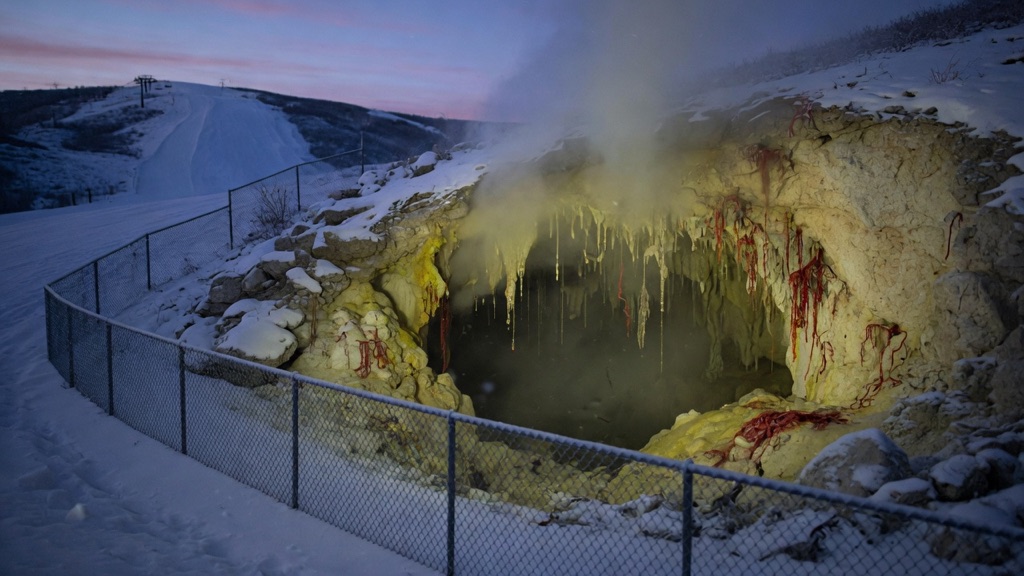
- Sulphur Cave at Howelsen Hill — Pair your surface-level mineral smell-test with a peek at a nearby cave so heavy with toxic hydrogen sulfide gas that it can knock you flat in two breaths.
- Steamboat Art Museum (Rehder Building) — Walk one block off the downtown spring trail into a 1905 stone bank building holding local fine art and quiet ghost lore.
- Sunpie's Bistro — Follow up your spring-sniffing circuit with a cold drink along the Yampa River at this Mardi Gras-plastered dive bar.
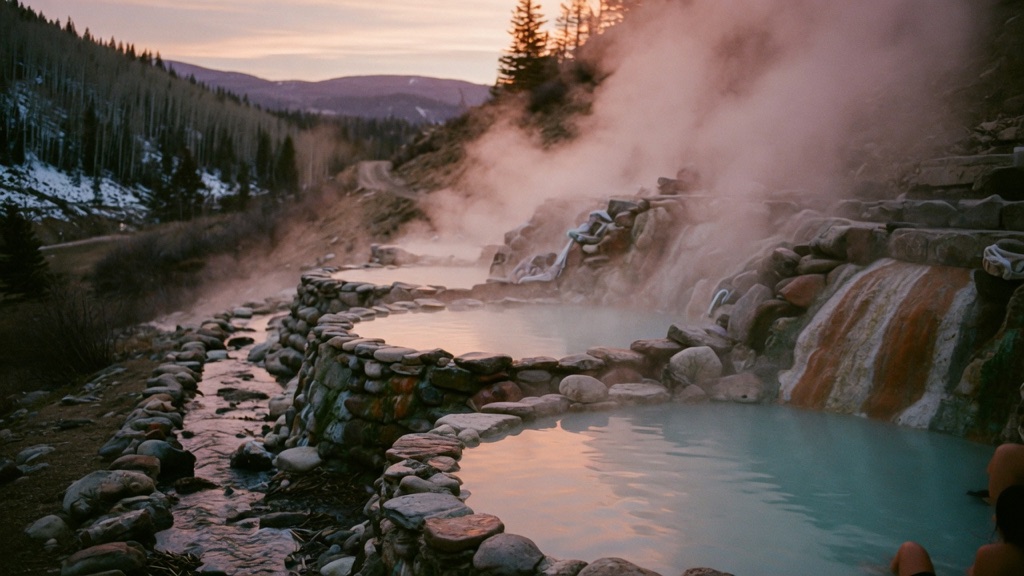
- Strawberry Park Hot Springs — If Old Town Hot Springs feels too developed after your walk, drive five miles up the dirt road to soak in natural stone pools tucked in the forest.
More weird in Fort Collins

Good to know
Can you soak in the mineral springs along the walking tour?
No. Eight of the nine stops on the loop are cool seeps meant for smelling, viewing, or cautious tasting. To actually soak, finish your tour at Old Town Hot Springs, which feeds off Heart Spring.
Where does the mineral springs tour start?
The tour typically begins at Iron Spring at 12th Street and Lincoln Avenue (US-40), but you can pick up physical maps at the Tread of Pioneers Museum at 800 Oak Street or start anywhere along the loop.
Why doesn't the Steamboat Spring chug anymore?
Railroad construction crews for the Denver & Rio Grande dynamited the hillside on June 25, 1908 to level the grade, destroying the rock chamber that generated the spring's chugging sound.
How long is the walking tour loop?
It is roughly 1.5 miles long, flat, and paved, making for an easy 45-to-60-minute walk along city sidewalks and the Yampa River Core Trail.
Plan a visit & invite your people →
Further reading: treadofpioneers.org · Official site · unlikelyexplanation.com · colorado.com
last checked: 2026-06-11