Entry No. 42 — the Colorado Springs file — filed under: winery
Winery at Holy Cross Abbey
“grown on 22 acres inside the East Cañon City state penitentiary”
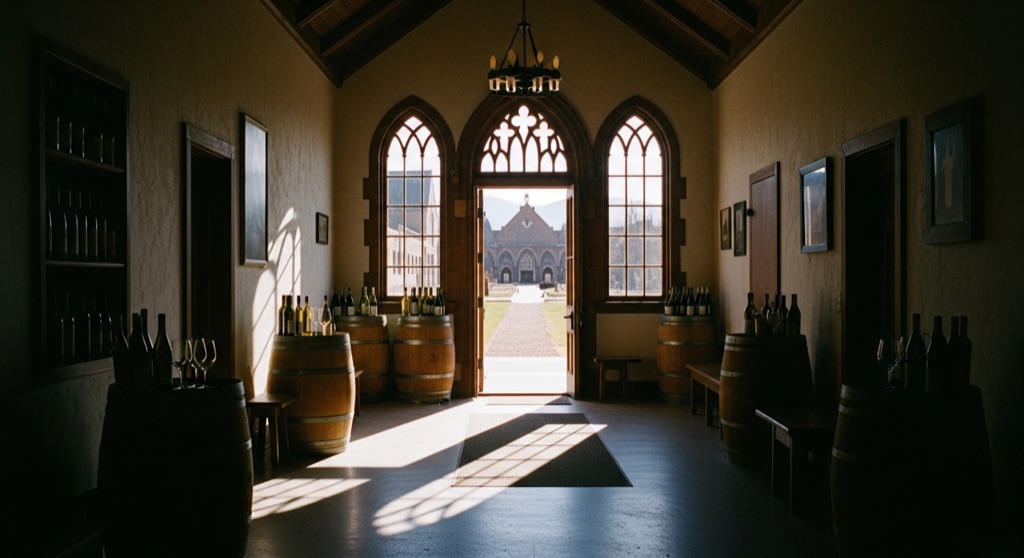
A Benedictine monastery winery that exists entirely because a monk attended an exorcism and got smitten with winemaking — Father Paul Montoya was dispatched to Palisade to bless a winery plagued by falling beams and foul smells, came back a convert, and persuaded the abbey to open its own label in 2002. The "Wild Cañon Harvest" rosé carries a detail almost too strange to print: the grapes are grown on 22 acres inside the East Cañon City state penitentiary complex by inmates through Colorado Correctional Industries' Juniper Valley Farms, making the supply chain arguably the most unusual in Colorado wine. The abbey itself — a functioning Benedictine monastery — is the backdrop for tastings held in a calm, sun-drenched tasting room that most Royal Gorge day-trippers roll straight past on US-50.
→ Three more unusual museums & collections in Colorado Springs — never the same twice
The story
In 1998, a winery builder over in Palisade hit a wall of unexplained bad luck—falling beams, foul odors, and equipment breakdowns—and decided his construction site needed a formal exorcism. Bishop Arthur Tafoya in Pueblo dispatched Father Paul Montoya to perform the blessing. The ritual settled the building, but it worked a second, unintended miracle: Father Paul returned home to Cañon City completely obsessed with viticulture. The monks at Holy Cross Abbey were already searching for fresh revenue after their long-running boys' boarding school closed in 1985, so Father Paul pitched a commercial label. By 2002, the Benedictines were officially bottling wine.
The exorcism origin story is strange enough, but the supply chain is where the plot turns genuinely weird. The grapes powering the abbey’s top-selling sweet rosé, Wild Cañon Harvest, aren't harvested by monks or Napa estate hands. They are grown on 22 acres inside the razor-wire perimeter of the East Cañon City state penitentiary complex. Through Colorado Correctional Industries’ Juniper Valley Farms program, incarcerated workers plant, prune, and pick Concord, Viognier, Riesling, and Norton grapes. The fruit moves directly from state prison custody into the abbey's presses—making this easily the most unusual viticultural supply chain in Colorado.
Businessman Larry Oddo bought the commercial label in 2006 and head winemaker Jeff Stultz handles production today, but the Benedictine backdrop remains intact. Most tourists speeding down US-50 toward the Royal Gorge Bridge blow right past the stone gates. You didn't hear it from us, but skipping the highway traffic to sit on a quiet monastery lawn sipping wine grown inside a state penitentiary is the smartest detour in Fremont County.
What it's like
Pull off US Highway 50 three miles east of downtown Cañon City and you’ll step onto a quiet, tree-shaded monastic campus backed by the Wet Mountains. The tasting room operates out of a 1911 Arts and Crafts house that once housed the abbey’s schoolboys. Inside, the vibe is low-key and unpretentious, stocked with local vinegars, olive oils, and flight counters. Outside, a wide picnic lawn invites lingering. Grab a bottle of the prison-grown Wild Cañon Harvest rosé, pull up a spot under the trees, and remember that this is still an active religious campus—keep your volume respectful. Weekdays offer near-total quiet, while summer weekends bring a steady stream of road-trippers.
The move: Drive the 45 minutes down US-50 from Colorado Springs, taste the Wild Cañon Harvest rosé while you explain to your date exactly where those grapes were grown, then wander the Gothic abbey grounds before anyone else figures out this place exists.
📍 Before you go The winery sits about three miles east of downtown Cañon City, on the abbey campus on the north side of the highway — the tasting room is a 1911 arts-and-crafts house that was once part of the monastery's boys' school, with ample free on-site parking and a tree-shaded picnic lawn out front where you can uncork a bottle. It's a working religious campus, so keep things low-key and respectful. The room is open year-round, but warmer months are best for lingering on the grounds; hours shift seasonally, so check ahead. Downtown's Museum of Colorado Prisons and the Arkansas Riverwalk make easy add-ons.</know_before> </invoke>
- 📍 Cañon City
- 💸 $
- ⚡ Up for anything
- 🌗 Indoors
Where: 3011 E US Hwy 50, Cañon City, CO 81212
Hours: Added 2026-06-09 — confirm current hours before you go.
Pair it with
- Art in Isolation — Fremont Center for the Arts — Pair your prison-grown rosé with a quick trip into downtown Cañon City to see original art created by inmates inside ADX Florence Supermax.
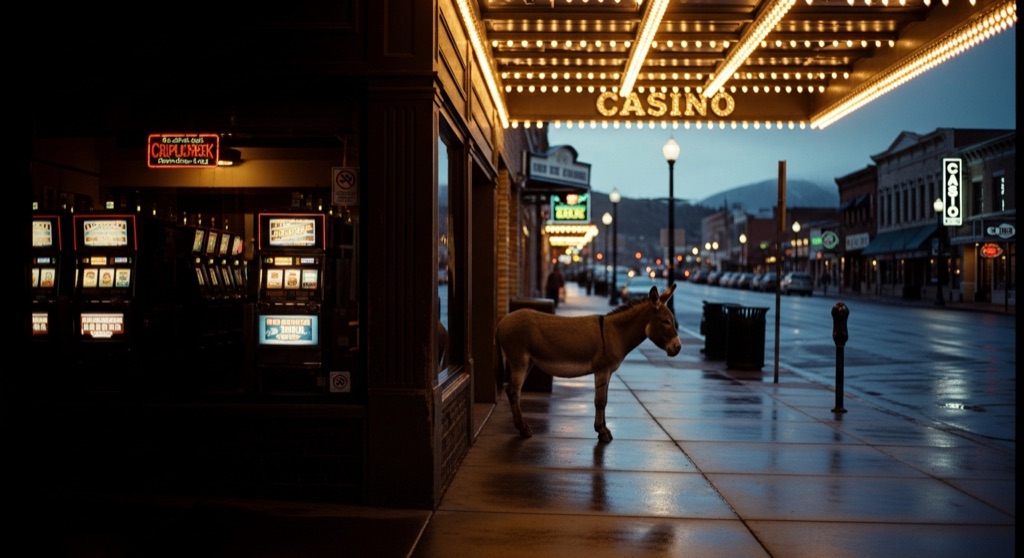
- Cripple Creek Wild Donkey Herd — Trade monastic serenity for high-altitude mountain history by driving up to Cripple Creek to track down the feral burros roaming the old mining streets.
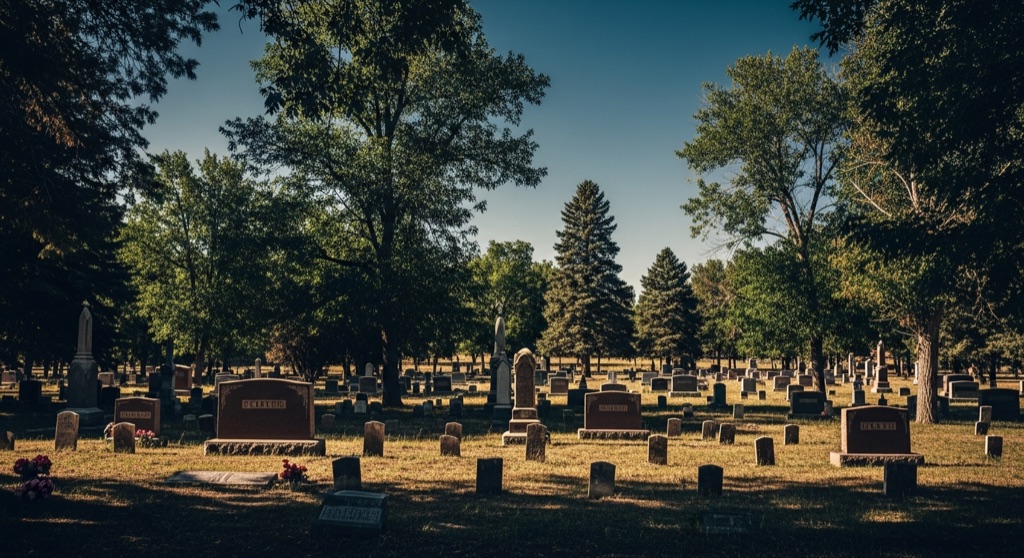
- Silver Cliff Cemetery Ghost Lights — Head south toward the Wet Mountain Valley after your afternoon tasting to watch for the unexplained blue orbs that drift through Silver Cliff's 1880s graveyard after dark.
More weird in Colorado Springs

Good to know
Where are the winery's grapes actually grown?
A major portion of the fruit—including the grapes behind the Wild Cañon Harvest rosé—is grown on 22 acres inside the East Cañon City state penitentiary complex by incarcerated workers through Colorado Correctional Industries' Juniper Valley Farms. Other fruit is sourced from Palisade and local Fremont County orchards.
Is Holy Cross Abbey still a working monastery?
The winery operates on the historic grounds of the Benedictine monastery established in Cañon City. While the boys' boarding school closed in 1985 and the commercial winery was purchased by Larry Oddo in 2006, the serene campus remains a working religious site.
Where is the tasting room located, and do I need reservations?
The tasting room sits inside a 1911 Arts and Crafts cottage on the north side of US-50, roughly three miles east of downtown Cañon City. Standard wine flights are available daily for walk-ins, though VIP wine-and-cheese tastings on the patio require 24-hour advance reservations.
Can I bring my dog or outside food?
Yes. The tree-shaded picnic lawn in front of the cottage is both dog-friendly and family-friendly, making it easy to bring your own lunch to eat alongside a bottle from the shop.
Plan a visit & invite your people →
Further reading: palatepress.com · Westword · thirstcolorado.com · Yelp · Reddit
last checked: 2026-06-09