Entry No. 4 — the Cleveland file — filed under: history
Cleveland Police Museum
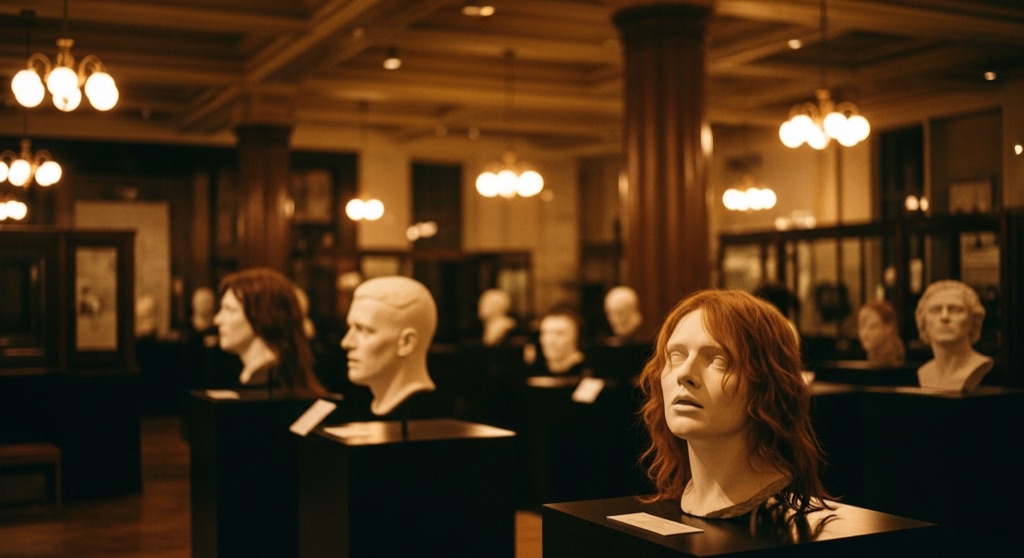
Located inside the Justice Center, this free museum houses the actual plaster 'Death Masks' of several unidentified victims of the infamous unsolved 1930s Cleveland Torso Murderer.
→ Three more unusual museums & collections in Cleveland — never the same twice
The story
To find one of the grimmest true-crime artifacts in the Rust Belt, you have to pass metal detectors alongside public defenders and folks dealing with traffic court inside downtown Cleveland’s Justice Center. Tucked onto the first floor, the Cleveland Police Museum is an independent, non-profit space founded in 1983 by police officers and local citizens to document the city’s law enforcement paper trail from 1866 to the present day.
The eerie main draw sits inside a glass display case: four original plaster death masks poured in the 1930s by Detective Lloyd Trunk of the Bureau of Criminal Identification. Between 1934 and 1938, the unidentified Cleveland Torso Murderer dismembered at least 13 people around Kingsbury Run and the shantytowns of the 'Roaring Third.' In a desperate attempt to identify the victims, police poured plaster directly over their faces—so hastily that strands of the victims' real hair remain embedded in the hardened plaster cast edges. Mask #4, known as 'The Tattooed Man,' was even displayed at the 1936 Great Lakes Exposition before a million fairgoers to see if anyone recognized him; no one ever did.
Beyond the forensic plaster, the collection covers everything from early wooden call boxes and vintage patrol cruisers to case files from Safety Director Eliot Ness, who famously grilled prime suspect Dr. Francis Sweeney in a hotel room for days without ever securing a conviction. It is quiet, stark, unsanitized, and entirely free.
What it's like
Entering 1300 Ontario Street means stepping straight into active courthouse security—you will put your bag through an x-ray machine and empty your pockets at the metal detector before walking down the hall. The museum itself is compact and quiet, often staffed by retired officers and volunteers who can talk you through specific case files. Note the razor-thin operating window: it is only open Wednesdays and Thursdays from 10:00 a.m. to 2:00 p.m. (and closes entirely during January and February), so plan your trip carefully and park at a nearby downtown meter.
The move: Pass through the Justice Center security screening together, then head to the first floor to examine the chilling plaster casts—some still holding the victims' real hair—and read about Eliot Ness's hunt for the killer.
- 📍 Downtown Cleveland
- 💸 $$
- ⚡ Up for anything
- 🌗 Indoors
Where: 1300 Ontario St, Cleveland, OH 44113
Hours: Added 2026-07-21 — confirm current hours before you go.
Pair it with
- Vault — Walk six blocks over to sip a cocktail inside a century-old bank vault beneath the Cleveland Trust Rotunda, swapping crime-scene plaster for heavy steel vault doors.
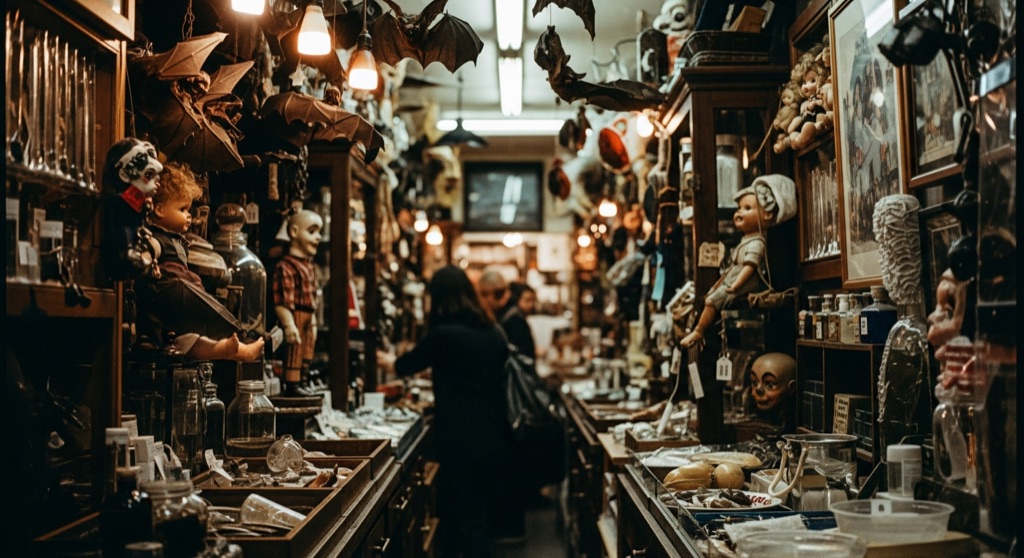
- Pugsley's Room — Keep the macabre thread going by heading west to browse wet specimens, petrified bats, and oddities in a tiny second-floor shop.
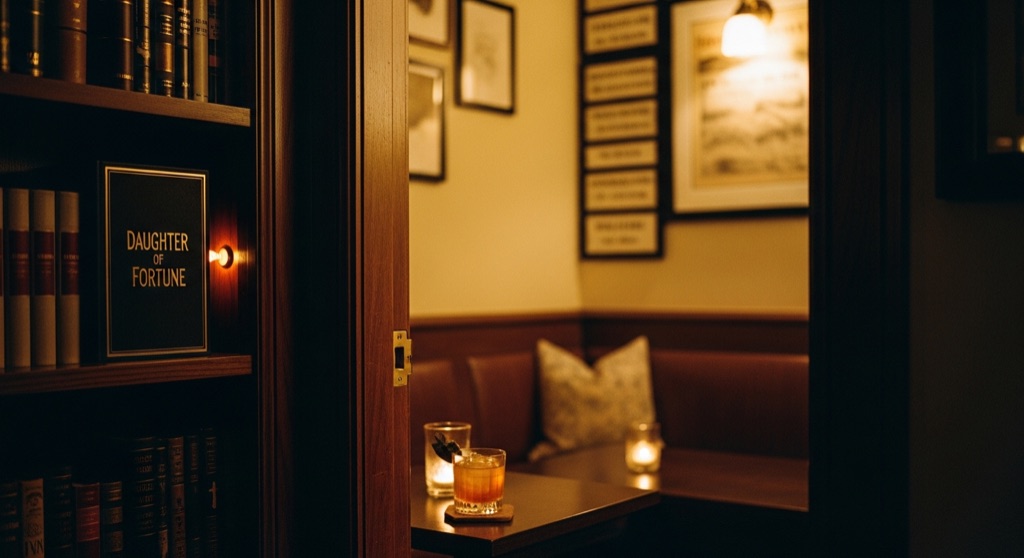
- The Velvet Tango Room — Head south across the river to Duck Island for scratch-made drinks in a former Prohibition-era speakeasy building, echoing the enforcement era of Eliot Ness.
- Ukrainian Museum-Archives — Pivot from 1930s forensic history to deep community preservation at a Tremont archive housing tens of thousands of historic books and artifacts.
More weird in Cleveland

Good to know
How much does admission cost?
Admission is completely free, though donations to the non-profit Cleveland Police Historical Society are welcomed.
What security procedures take place upon arrival?
Because the museum is housed inside the working Cleveland Justice Center, all visitors must pass through security screening, including metal detectors and bag x-ray machines, at the Ontario Street entrance.
What are the museum's operating hours?
The museum is open to the public on Wednesdays and Thursdays from 10:00 a.m. to 2:00 p.m., though it is closed during January and February. Always confirm current hours before heading over.
Are the death masks on display real?
Yes, they are the actual 1930s forensic plaster casts taken directly from the faces of unidentified victims of the Cleveland Torso Murderer during the police investigation.
Plan a visit & invite your people →
Further reading: Official site
last checked: 2026-07-21