Entry No. 65 — the Boulder file — filed under: after-dark
Jackson Lake State Park Dark Sky Stargazing
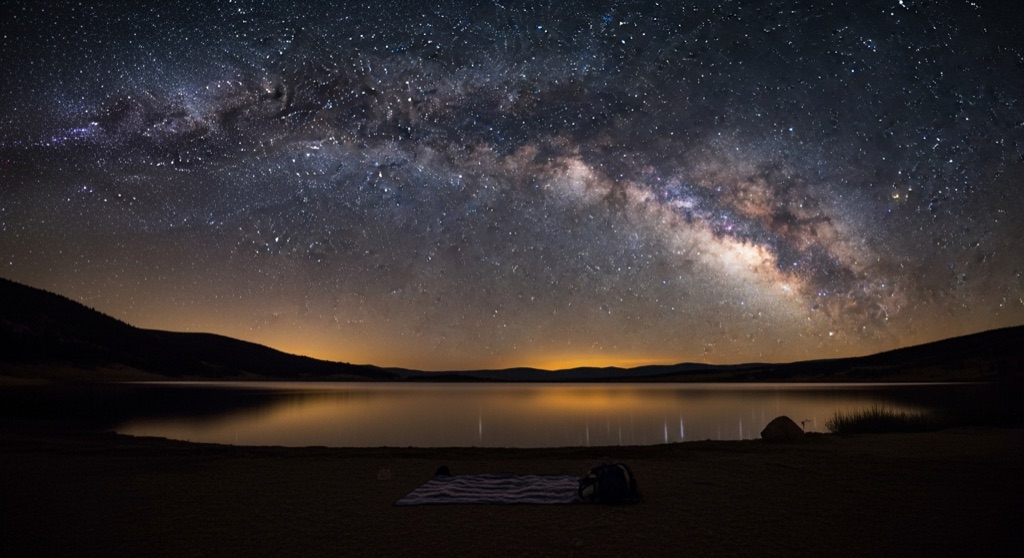
This was Colorado's first state park to earn International Dark Sky Park status, and out on the eastern plains it rates a Bortle Class 2, about as dark as Front Range stargazing gets. The lake's glassy surface mirrors the Milky Way, and the Northern Colorado Astronomical Society periodically hauls telescopes out for free star parties open to anyone with a parks pass. Pitch up lakeside on a clear, moonless night and the sky overhead is genuinely staggering.
→ Three more after-dark & night-sky spots in Boulder — never the same twice
The story
Most people heading out of Boulder for stargazing make the mistake of driving west into the high Rockies, where tall peaks chop off half the horizon and mountain highways beam light. The real secret is pointing your car 70 miles northeast onto the prairie, where Jackson Lake sits like a quiet ink spot in the flats of Orchard. In August 2020, it became the very first state park in Colorado to be certified as an International Dark Sky Park by DarkSky International.
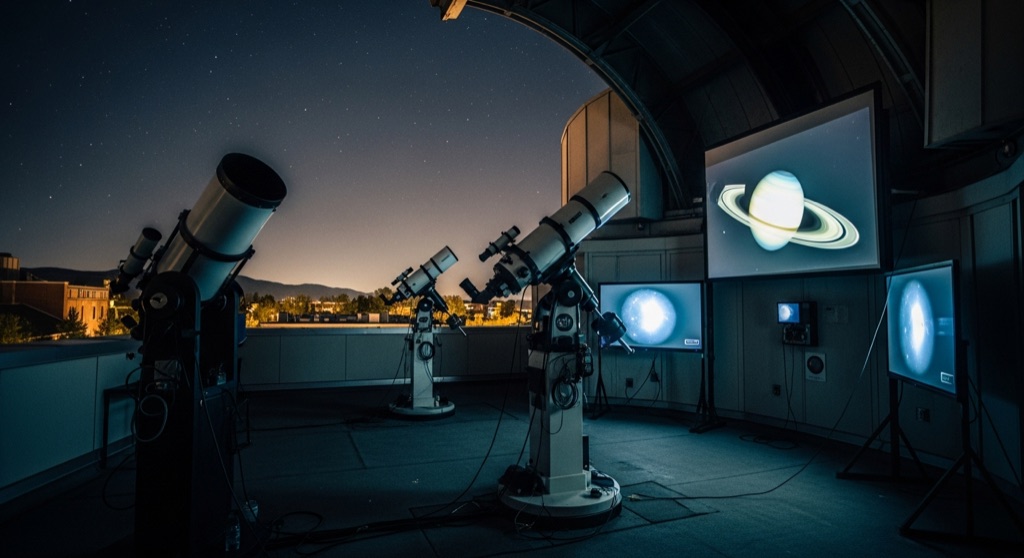
That certification took work. Led by park ranger Amy Brandenburg, the park secured a $20,000 grant from Great Outdoors Colorado to strip out glaring overhead streetlamps and retrofit light fixtures across the grounds. They partnered with Denver's Mile High Astronomy shop to acquire a computer-guided Celestron telescope and teamed up with the Northern Colorado Astronomical Society to lead public stargazing sessions. Darkening the park wasn't just for human spectators—it also protects nocturnal species like bats and the waterfowl migrating along the Central Flyway, which rely on star patterns to navigate.
On a clear, moonless night, the overhead sky drops to a Bortle Class 2—about as unpolluted as night sky viewing gets anywhere within a short drive of the Front Range. Out on the quiet shore, the flat surface of the reservoir reflects the entire arch of the Milky Way back at you, blurring the line between prairie water and deep space.
What it's like
Drive past Pelican Campground and follow the dirt road out toward North View Campground or the marina shoreline. The vibe is silent, windy, and intensely dark once twilight fades completely. During star parties hosted by the Northern Colorado Astronomical Society, volunteers set up motorized telescopes pointing at planetary rings, nebulae, and distant galaxies. The primary rule out here is red-light illumination only—tape red cellophane over your torch or switch your headlamp to red mode so you don't ruin everyone's night vision. Pack extra warm layers even during summer, bring a blanket for the grass, and check moon phases before driving out, as a bright moon will drown out the faint arms of the galaxy.
The move: Drive out to the dark plains, spread a blanket by the water on a moonless night, and watch the Milky Way arc over the lake (or join a society star party if one lines up).
📍 Before you go Requires a Colorado parks pass (per vehicle). Star parties are intermittent and weather-dependent; check CPW's event calendar. Best on clear, moonless nights. About 70 miles northeast of Boulder.
- 📍 Orchard (near Fort Morgan)
- 💸 $
- ⚡ Low-key
- 🌗 Outdoors
Where: 26363 County Rd 3, Orchard, CO 80649
Hours: Added 2026-06-23 — confirm current hours before you go.
⚠ Seasonal or scheduled — always check before you go.
Pair it with
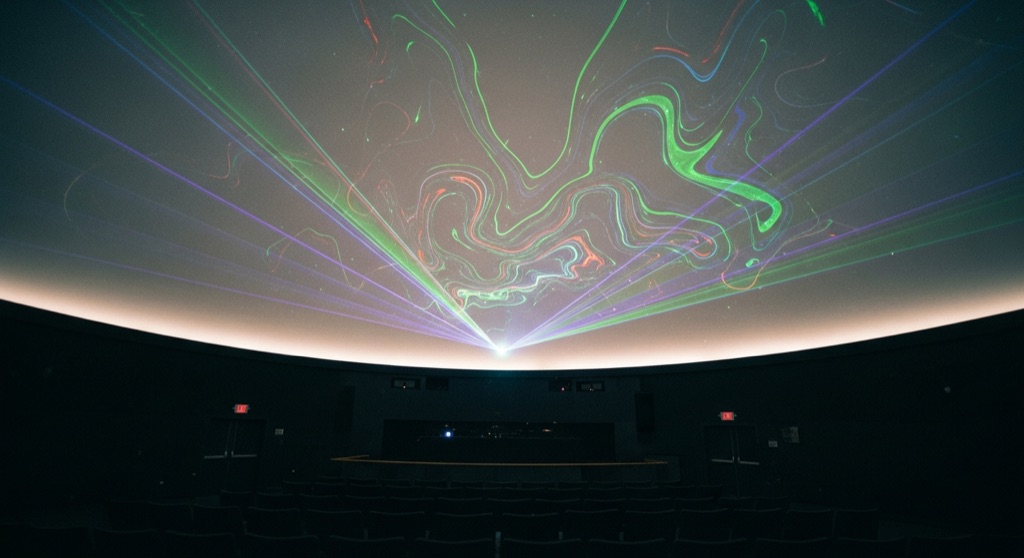
- Little Thompson Observatory Public Star Night — Pair a wide-open prairie night under a Bortle Class 2 sky with an close-up eyepiece view inside Berthoud High School's dome.
- Dougherty Museum — Combine dark-sky prairie stargazing with a daytime stop to see Ray Dougherty's massive collection of vintage machinery and antique cars south of Longmont.
- Quarters Bar + Arcade — Follow hours of silent stargazing on the plains with self-poured craft beers and retro arcade games on your drive back through downtown Longmont.
- Holiday Twin Drive-In — Double down on after-dark outdoor entertainment by catching a double feature at Fort Collins' historic drive-in before heading out into the dark prairie.
More weird in Boulder
Good to know
Do I need a special ticket to stargaze or attend a star party?
No separate event ticket is required, but every vehicle entering Jackson Lake State Park must display a valid Colorado State Parks pass. Public star parties hosted by astronomy groups are free with park entry.
Where in the park do stargazers and telescopes set up?
Official star parties hosted with the Northern Colorado Astronomical Society typically assemble near North View Campground (often near Site 241) or around the marina area. For solo stargazing, any open spot along the water offers clear 360-degree views.
Why is Jackson Lake darker than stargazing spots in the mountains?
The park is located far out on the eastern plains in Morgan County, putting miles of flat terrain between you and the light pollution domes of Denver and Boulder. Rated Bortle Class 2, it benefits from open prairie horizons without mountain peaks obstructing the view.
When is the best time to visit for night sky viewing?
Plan your trip around clear, moonless nights within a few days of a new moon. If you want to use the telescopes, check the Colorado Parks and Wildlife online event calendar for scheduled star party dates, which run intermittently and depend on clear weather.
Plan a visit & invite your people →
Further reading: Official site · cpw.state.co.us · go-astronomy.com · goco.org · cbsnews.com
last checked: 2026-06-23