Entry No. 23 — the Baltimore file — filed under: history
Irish Railroad Workers Museum
Preserved in two 1848 alley houses, this museum is a hyper-focused shrine to the daily lives of the Irish immigrants who built the B&O Railroad.
→ Three at a time, never the same twice — explore weird Baltimore
The story
Most house museums in America exist to showcase mahogany staircases and silver tea sets belonging to long-dead industrial tycoons. Lemmon Street preserves something far rarer: two narrow 1848 brick alley homes saved from demolition in 1997, standing as the nation's only urban, 19th-century working-class house museum. Tucked into an alley just a block north of the B&O Railroad yards, these structures hold the raw, claustrophobic history of the Irish refugees who fled the Great Hunger of the 1840s and built America's earliest iron transit lines.
The centerpiece at 918 Lemmon Street is a meticulous reconstruction of the Feeley family home as it stood in the 1860s. James Feeley arrived in Baltimore in the late 1840s aboard the Bark Margaret Hugg, starting as a B&O track laborer before grinding his way up to boilermaker. His wife, Sarah, earned extra income taking in laundry for other railroad men right in their narrow kitchen. Stepping inside reveals how an entire family squeezed into two floors and an attic—living alongside cast-iron stoves, wash tubs, and low ceilings while working the deadly railyards down the street.
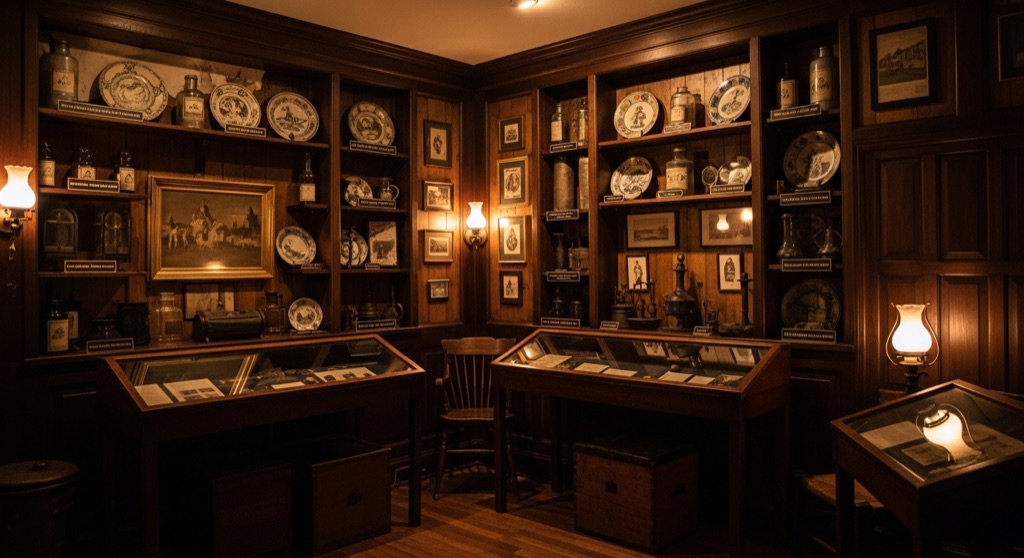
Next door at 920 Lemmon Street, the sister row house functions as an exhibit space, displaying original parish records from nearby St. Peter the Apostle Catholic Church, period tools, and historic photographs of West Baltimore’s laboring immigrant district. Through the back door lies a quiet rear courtyard featuring a stone shrine and memorial wall dedicated to those who perished during the Famine. It’s an unvarnished memorial to the anonymous laborers who laid the tracks beneath modern Baltimore.
What it's like
Arriving on Lemmon Street feels like stepping down a quiet residential side alley far removed from typical tourist corridors. The museum is small and deeply personal, run by volunteer docents who walk you room-by-room through the Feeley home, pointing out authentic period details and neighborhood history. Because space inside the 1848 alley houses is tight and public hours are limited (typically Friday and Saturday from 11 a.m. to 3 p.m.), you’ll likely have the docent's undivided attention. Wear comfortable shoes for the narrow, steep historic stairs, and leave large bags behind.
The move: Take a docent-led tour of the Feeley family's tiny historic home to see how they lived, cooked, and survived the Great Hunger, then walk a half-block to the B&O Railroad Museum.
- 📍 Southwest Baltimore
- 💸 $
- ⚡ Up for anything
- 🌗 Indoors
Where: 918-920 Lemmon St, Baltimore, MD 21223
Hours: Added 2026-07-21 — confirm current hours before you go.
Pair it with
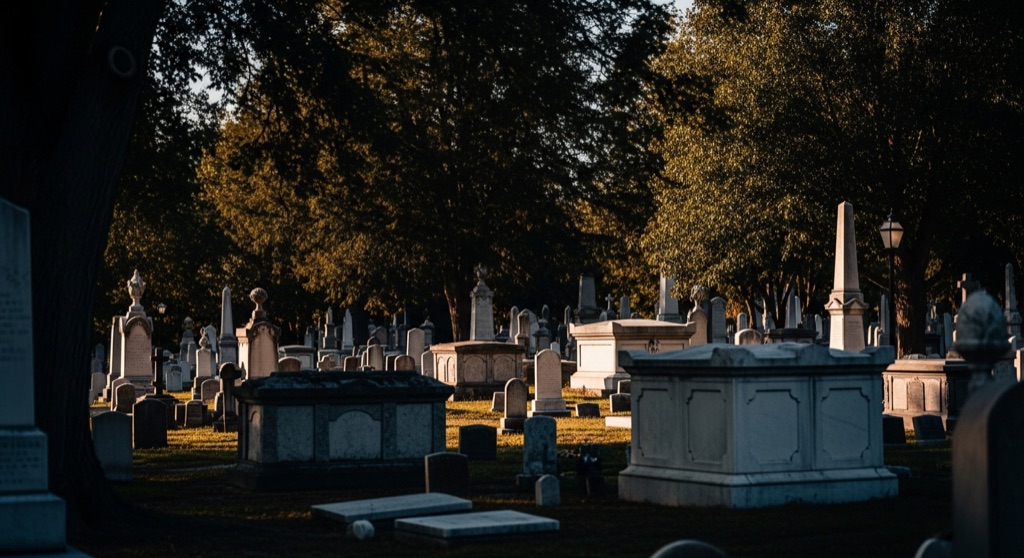
- Westminster Burying Ground & Catacombs — Follow up your tour of 19th-century immigrant domestic life with a short walk east to see Edgar Allan Poe's grave and the eerie underground catacombs beneath Westminster Hall.
- Dr. Samuel D. Harris National Museum of Dentistry — Just half a mile away, switch from railroad labor history to an offbeat collection of over 50,000 historic dental artifacts.
- The Lord Baltimore Hotel — Contrast the modest 1840s alley house of an Irish boilermaker with a drink inside this grand 1928 French Renaissance hotel under a mile away.
More weird in Baltimore

Good to know
How much does it cost to visit the Irish Railroad Workers Museum?
Admission is free, though a $10 donation per person is suggested to help support the museum's preservation efforts.
What are the museum's regular public hours?
The museum is generally open to visitors on Fridays and Saturdays from 11:00 a.m. to 3:00 p.m., though hours should be confirmed before you go. Group tours can also be scheduled in advance.
Is a guided tour included with entry?
Yes, docent-led guided tours through the Feeley family home and exhibit spaces are included with your visit during regular open hours.
Is the historic home wheelchair accessible?
Due to the original 1848 architectural layout, the upper floors of 918 Lemmon Street feature steep, narrow staircases that are not wheelchair or stroller accessible.
Plan a visit & invite your people →
Further reading: Official site · greaterbaltimorehistoryalliance.org · explore.baltimoreheritage.org · presmd.org
last checked: 2026-07-21